


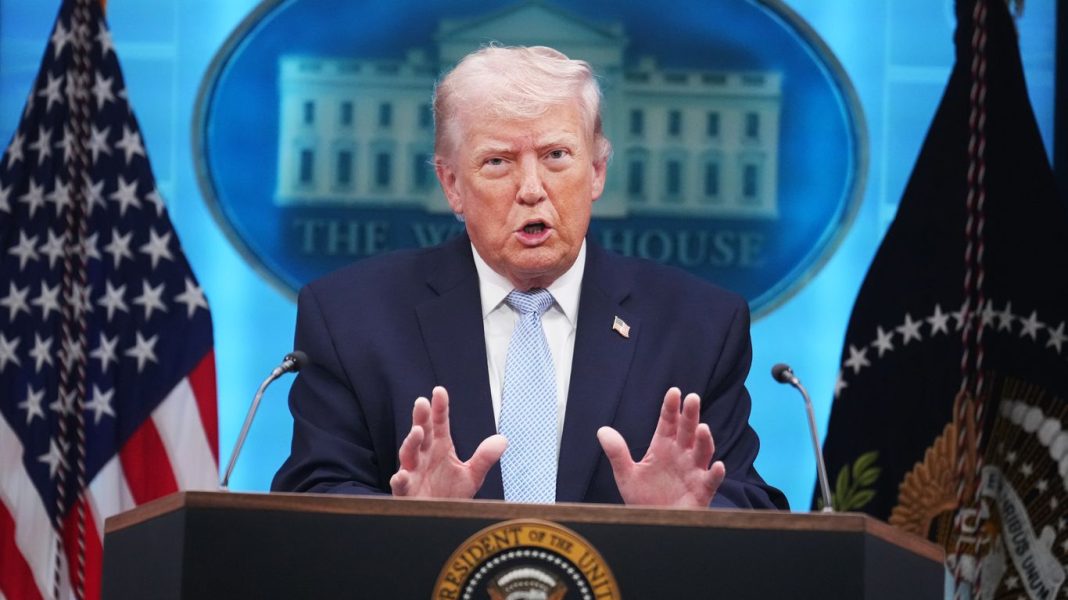
In a world often consumed by the drumbeat of discord, news of a ceasefire, even a temporary one, feels like a rare moment of quiet. The recent agreement between the US and Iran for a two-week pause in hostilities is precisely that – a brief, fragile silence in what has been a prolonged and often deafening standoff. For anyone following the intricate, sometimes terrifying dance between these two nations, this announcement isn’t just a headline; it’s a collective sigh of relief, however cautious.
A Glimmer of Hope Amidst the Shadows
A two-week ceasefire might seem like a mere blink in the grand scheme of international relations, but its significance should not be underestimated. In conflicts marked by deep distrust and entrenched positions, any agreement to de-escalate, even temporarily, is a monumental step. It demonstrates a shared, if tentative, recognition that continued confrontation serves no one. For the civilians caught in the crossfire, and indeed for regional stability, this pause offers precious respite.
This isn’t just about stopping the immediate hostilities; it’s about creating space. Space for humanitarian aid to reach those in need, space for dialogue to tentatively begin, and space for all parties to reassess their strategies without the immediate pressure of ongoing conflict. As one seasoned diplomat, who wished to remain anonymous due to the sensitivity of current discussions, aptly put it: “A ceasefire is never a solution, but it is the essential first breath that allows a solution to even be considered. You can’t negotiate in a burning house.” This brief window could be the crucial opportunity for diplomacy to gain a foothold where it has long struggled.
The Delicate Dance of Diplomacy Ahead
While the ceasefire is undoubtedly a positive development, it’s also important to temper optimism with a healthy dose of realism. Two weeks is a short period, and the underlying issues that fuel the US-Iran tensions are deep-seated and complex. Decades of mistrust, geopolitical rivalries, and differing strategic interests won’t simply vanish with a temporary halt in hostilities. The real work begins now, during this fragile window.
The challenge will be for both sides to leverage this pause effectively. Can they use these two weeks to establish channels of communication that go beyond mere de-escalation? Can they identify common ground, however small, that could pave the way for a more enduring peace? The success of this ceasefire won’t just be measured by the absence of conflict during its duration, but by whether it can be extended, or better yet, evolve into a more substantial framework for negotiations. This requires immense political will, a willingness to compromise, and an understanding that the path forward will be fraught with obstacles.
Beyond the Immediate Pause
This ceasefire carries implications far beyond the direct US-Iran dynamic. It sends a signal to regional actors, both allies and adversaries, that escalation is not the only path. It could potentially open doors for broader de-escalation efforts in the Middle East, a region desperately in need of stability. The world watches, not just with hope, but with a critical eye, to see if this temporary truce can be a catalyst for something more meaningful.
Ultimately, this two-week ceasefire is a testament to the fact that even in the most intractable conflicts, a window for peace can open. It is a moment to acknowledge the power of dialogue, however difficult, and to remember that the alternative – continued conflict – is far costlier. Let’s hope that both the US and Iran recognize the profound opportunity before them and use these precious weeks to lay the groundwork for a future less dominated by tension and more by the potential for mutual understanding.

