


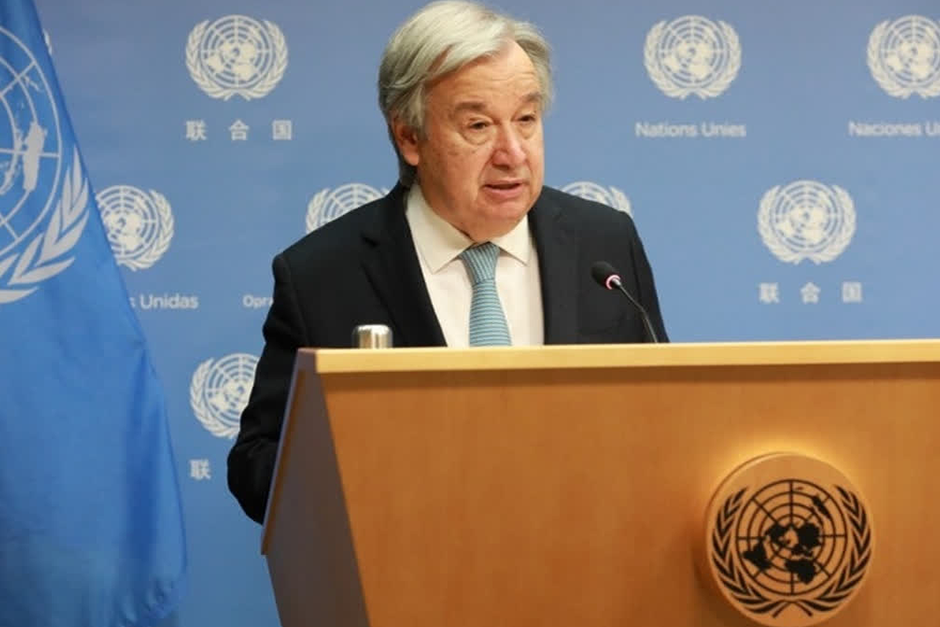
The relationship between the United States and the United Nations is a complex tapestry, woven with threads of shared goals, diplomatic maneuvering, and, at times, considerable financial tension. Currently, the spotlight shines brightly on the latter, as Politico reports the UN is closely monitoring how the US will address its nearly $4 billion debt. This isn’t merely an accounting issue; it’s a significant indicator of global commitment, influence, and the future of multilateralism.
The Bill That Keeps Growing
The figure of nearly $4 billion isn’t a single, monolithic bill, but rather an accumulation of assessed contributions. These are the dues every member state is expected to pay to fund the UN’s vast operations, including its regular budget, peacekeeping missions, and tribunals. The US, historically the largest contributor, has often found itself in arrears, a situation driven by a variety of factors.
From the UN’s perspective, these unpaid dues create significant operational challenges. Peacekeeping missions, which often operate in volatile and life-threatening environments, are particularly vulnerable. Delays in funding can mean critical resources are stretched thin, personnel are unpaid, and vital operations are jeopardized. It impacts everything from humanitarian aid distribution to conflict mediation efforts. As one seasoned UN diplomat recently remarked, “When the US delays its payments, it’s not just a balance sheet problem; it’s a direct hit to our ability to respond to suffering and maintain stability where it’s most needed.”
Influence, Leverage, and Global Standing
For the United States, its financial contributions to the UN have always been intertwined with its global leadership and influence. Being the largest financial backer traditionally afforded Washington significant leverage in shaping UN policies, mandates, and reforms. However, a substantial debt can erode that moral authority.
When the US falls significantly behind on its payments, it opens the door for other member states, particularly rising powers, to question its commitment and even challenge its leadership within the global body. It becomes a talking point for critics and can complicate diplomatic efforts on other fronts. Domestically, discussions around UN funding often involve debates over the effectiveness of UN programs, the fairness of assessed contributions, and the desire for greater accountability. Yet, the strategic cost of withholding payments extends beyond immediate budgetary savings, potentially diminishing Washington’s voice precisely when global challenges demand unified action.
A Test of Multilateralism
The world watches not just for the numbers on a ledger, but for what this payment — or lack thereof — signifies about the US commitment to the international system. At a time when global cooperation is more critical than ever, addressing issues like climate change, pandemics, and regional conflicts, the financial health of the UN is paramount.
How the US navigates this debt will be a strong signal to allies and adversaries alike. It reflects on its willingness to uphold its responsibilities as a foundational member of the UN and its stance on multilateral engagement. Ultimately, this isn’t just about closing a financial gap; it’s about reinforcing or recalibrating America’s role on the global stage, with significant implications for how the international community addresses the pressing issues of our time.

