


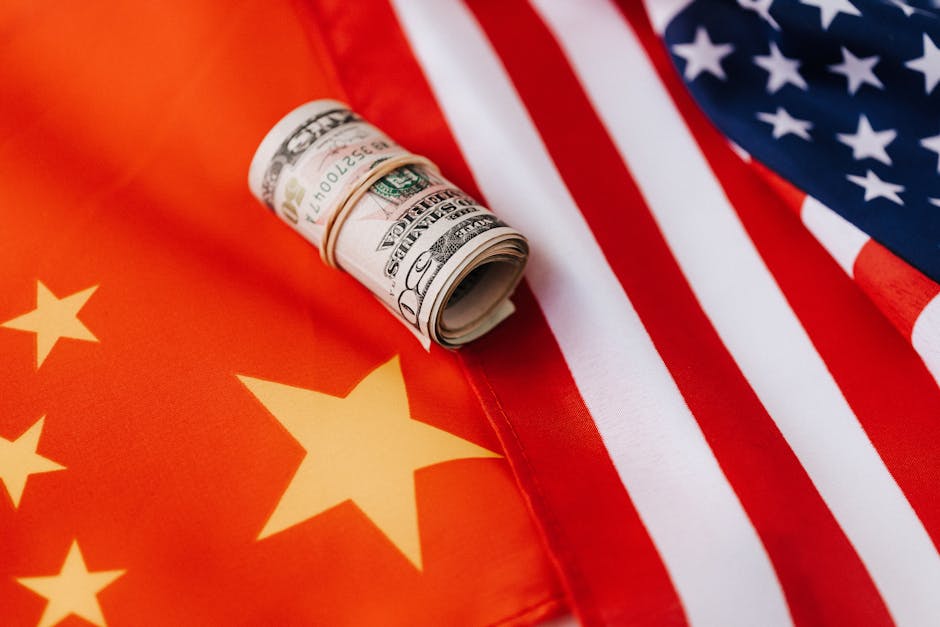
The global economy is a complex web, intricately linked by trade, finance, and shared resources. When conflict erupts, especially one involving major global players, the tremors are felt far beyond the battlefield. While the direct human cost of war is immeasurable, its economic shadow stretches long, often disproportionately darkening the doorways of nations seemingly far removed from the fray. It’s becoming increasingly clear that the U.S.-led geopolitical stance, in response to ongoing conflicts, is inadvertently—or perhaps inevitably—inflicting significant economic pain on countries that are not principal actors in these dramas.
The Inflationary Tide and Commodity Shock
One of the most immediate and widespread effects has been the dramatic surge in global commodity prices. Energy costs, in particular, have soared, driven by supply uncertainties and shifts in geopolitical alliances. Countries reliant on imports, especially those without their own substantial energy reserves, find themselves caught in a tightening vice. Their industries face higher operational costs, transportation becomes more expensive, and consumers grapple with inflated prices for everything from fuel to basic foodstuffs.
Consider a nation in Southeast Asia or Africa. They might be thousands of miles from any direct conflict, yet their citizens are paying more at the pump and for their daily bread, not due to local market failures, but because global supply chains are disrupted and key producers are impacted by sanctions or shifting trade policies. “It feels like we’re being punished for something we had no part in,” remarked Dr. Lena Khan, an economic analyst specializing in emerging markets. “Our purchasing power is eroding, and development projects are being put on hold, all because of distant geopolitical maneuvers.” This ripple effect isn’t just an inconvenience; for many, it threatens economic stability and social cohesion.
Trade Routes, Sanctions, and Investment Uncertainty
Beyond commodities, the broader landscape of international trade and investment has been significantly altered. Sanctions, while aimed at specific targets, often create an expansive net that catches unintended victims. Companies in neutral countries, for example, might find their supply chains disrupted if they rely on components from sanctioned entities, or if their banking partners become wary of processing transactions deemed high-risk. Shipping routes, insurance costs, and the general ease of cross-border commerce have all become more complex and expensive.
Moreover, the increased geopolitical tension fosters an environment of uncertainty that makes investors hesitant. Capital, ever skittish, tends to flow away from perceived instability. Developing nations, often in need of foreign direct investment to fuel their growth, find themselves competing in a much tougher environment. The focus shifts from fostering new partnerships to mitigating risks associated with existing ones, potentially stalling crucial development and job creation initiatives.
A Call for Broader Perspective
The economic fallout from U.S.-led geopolitical responses is not confined to the immediate combatants or targeted nations. It’s a global phenomenon, and its weight is often borne most heavily by those least equipped to handle it. Developing economies, already grappling with existing challenges, face exacerbated inflation, strained public finances, and a shrinking space for growth. The narrative often focuses on the direct impact on major powers, but the cumulative effect on the rest of the world demands far greater attention.
As the global community navigates these turbulent waters, it’s imperative to acknowledge and address the collateral economic damage. A truly sustainable and equitable global order requires a perspective that extends beyond immediate strategic objectives, recognizing the interconnectedness of our economies and the profound impact distant conflicts have on the everyday lives of billions.

