


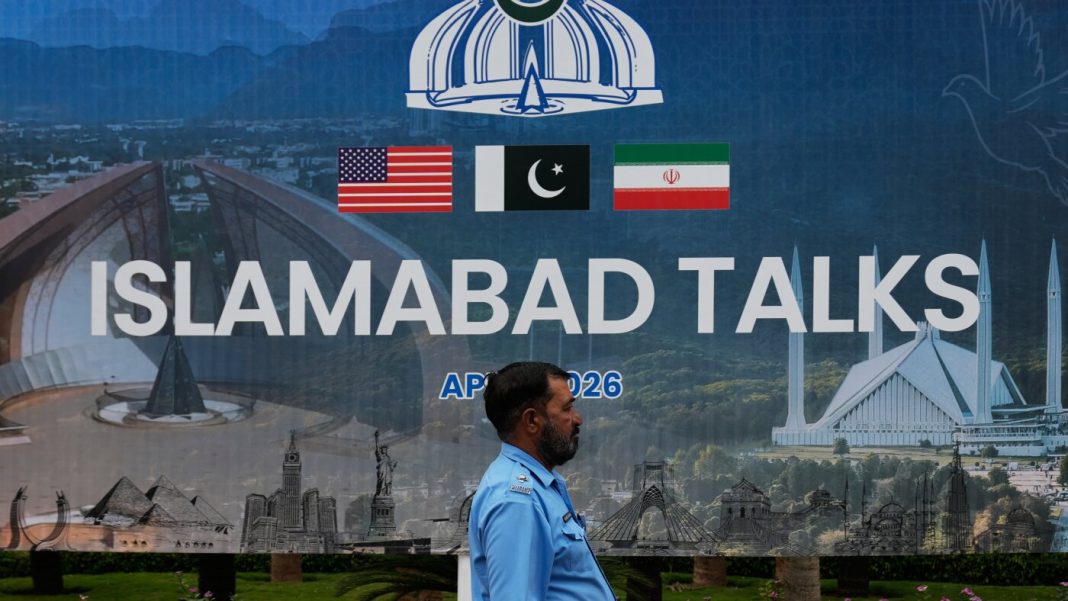
The air in Islamabad was thick with anticipation, carrying not just the scent of jasmine but also the fragile hopes of millions. When the news broke that the U.S. and Iran, after rounds of intense discussions, couldn’t bridge their profound differences to forge a peace deal, it landed with a heavy sigh across the globe. It wasn’t just a diplomatic setback; it was a profound disappointment for all who yearn for stability and a more peaceful future in a region so often defined by tension.
The Weight of Lingering Shadows
For weeks, there had been a cautious optimism, a whispered belief that perhaps, just perhaps, this time would be different. Diplomatic efforts, often conducted behind closed doors, had reportedly intensified, aiming to find common ground on issues that have long kept these two influential nations at odds. People around the world, from policy wonks to ordinary citizens in communities directly impacted by regional instability, watched with bated breath. The prospect of even a preliminary agreement, a framework for de-escalation, was seen as a potential balm for deep-seated historical wounds.
The very act of them sitting down together, in a neutral capital like Islamabad, represented a significant step. It symbolized a recognition that dialogue, however difficult, remains the most viable path forward. Yet, as the curtain fell on these latest talks without a breakthrough, the relief that many had hoped for gave way to a familiar sense of unease. The shadows of past grievances and entrenched positions proved too formidable to simply step out of.
Unpacking the Unbridgeable Divide
While the specifics of the discussions remain under wraps, the core reasons for the stalemate are widely understood. The chasm between the U.S. and Iran is not merely political; it’s a complex weave of security concerns, economic pressures, regional influence, and deeply held ideologies. Each side arrived at the negotiating table with non-negotiable demands and red lines, built over decades of mutual suspicion and conflicting strategic interests. To expect these to dissolve overnight would be naive, but the hope persisted that some middle ground could be found.
It’s a testament to the immense complexity of international relations when even the most skilled diplomats struggle to untangle such a Gordian knot. As one regional analyst, who has closely observed these dynamics for years, put it, “The gap between their fundamental positions, sadly, was just too wide to bridge in a single round. It’s not just about policy; it’s about decades of deeply ingrained narratives and a fundamental lack of trust that requires far more than a few days of talks to dismantle.” This sentiment captures the profound challenge faced by negotiators: they weren’t just discussing treaties, but trying to rewrite history.
What Now for the Horizon?
The failure to secure a peace deal in Islamabad doesn’t necessarily mean the end of all diplomatic engagement. Instead, it underscores the arduous nature of peace-building between deeply estranged nations. For communities across the Middle East and beyond, this outcome means the continued presence of uncertainty and the lingering threat of escalation. The human cost of these geopolitical tensions, often felt by those far from the negotiating tables, remains a profound concern.
Moving forward, the question isn’t whether peace is possible, but rather how the global community can continue to foster environments where such crucial dialogues can eventually yield fruit. Perhaps it will require new approaches, different intermediaries, or a fundamental shift in the underlying conditions that fuel the current standoff. What is clear is that the desire for a resolution, a stable and peaceful future, will persist, urging both sides and their allies to keep searching for that elusive path forward, even if the road from Islamabad proved to be a dead end for now.
The human spirit often finds strength in perseverance, and in the realm of international diplomacy, that resilience is constantly tested. While the recent talks concluded without the desired outcome, the conversation must, and surely will, continue in some form, driven by the enduring hope for a lasting peace.
*

