


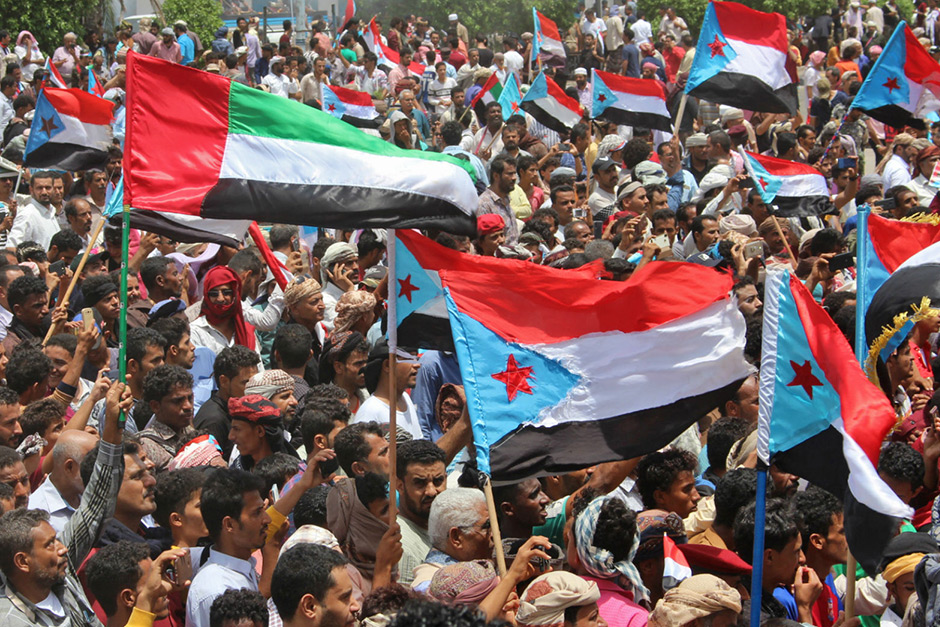
The tragic saga unfolding in Yemen has long been defined by shifting allegiances and intractable fronts. Yet, a recent development has added another complex layer, pushing supposed allies closer to confrontation. The Saudi-led coalition, ostensibly fighting to restore Yemen’s internationally recognized government, has delivered a stern warning to UAE-backed separatist forces, threatening “immediate action” if they don’t cease their activities. This isn’t just a diplomatic spat; it’s a profound crack appearing within the very coalition that has sought to stabilize the war-torn nation, raising critical questions about the conflict’s future trajectory.
The Shifting Sands of Alliance
To understand the current tension, one must first grasp the multifaceted nature of the Yemeni conflict. The Saudi-led coalition intervened to counter Houthi rebels and support the government of President Abdrabbuh Mansur Hadi. The United Arab Emirates (UAE) was a key partner in this coalition, but over time, its objectives in Yemen began to diverge. The UAE cultivated strong ties with, and provided significant support to, the Southern Transitional Council (STC) – a separatist movement advocating for an independent South Yemen, harking back to the pre-1990 division of the country.
This dynamic has created an inherent paradox: how can a coalition simultaneously fight for the unity of a nation while one of its principal members backs forces actively seeking its partition? The STC, emboldened by UAE support, has at times clashed with forces loyal to the Hadi government, even seizing key strategic locations. This internal friction, often masked by the larger fight against the Houthis, has now spilled into the open, as the Saudi-led coalition seemingly seeks to reassert its singular authority and commitment to a unified Yemen under the internationally recognized government. “This isn’t just about territory; it’s about the very future political map of Yemen, with various factions vying for legitimacy and control,” remarked one regional analyst, highlighting the deep ideological chasm.
Unpacking the Ultimatum: Why Now?
The Saudi-led coalition’s warning of “immediate action” is a significant escalation, signaling a potentially pivotal moment. The timing suggests several possible motivations. First, it could be an attempt to prevent further fragmentation of Yemen and uphold the legitimacy of the Hadi government, which Riyadh views as crucial for any future peace settlement. Allowing the STC to unilaterally declare self-rule or expand its control without coalition approval could fatally undermine this legitimacy and the entire premise of the intervention.
Second, it reflects a strategic move by Saudi Arabia to consolidate its leadership within the coalition and streamline objectives, especially as the broader conflict evolves. The UAE’s partial drawdown of troops from Yemen also changed the dynamics, perhaps giving Riyadh more impetus to tackle internal coalition disagreements head-on. The nature of “immediate action” remains to be seen, but it could range from intensified diplomatic pressure and economic sanctions to a more direct military posture aimed at curbing STC movements or challenging their control over specific areas. The stakes are incredibly high, as any open conflict between these supposed allies would further destabilize an already catastrophic humanitarian situation and potentially empower other actors in the region.
Ultimately, this ultimatum underscores the brutal complexity of the Yemen war, where alliances are fluid, and self-interest often trumps stated objectives. The international community, already grappling with the immense humanitarian crisis, watches on as a conflict within a conflict threatens to spiral further. The hope remains that diplomacy, rather than confrontation, will prevail, preventing yet another devastating chapter for the long-suffering Yemeni people.

