


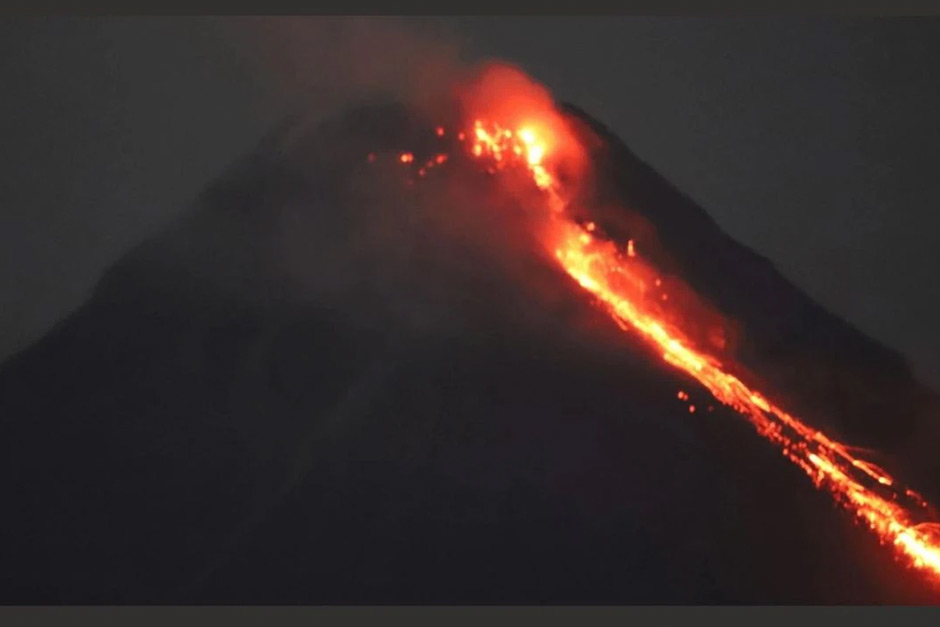
The Philippines is a land of breathtaking beauty, where nature’s grandeur often walks hand-in-hand with its raw power. Few places embody this duality quite like Albay province, home to the majestic Mayon Volcano. With its near-perfect cone shape, Mayon is an iconic symbol, drawing awe and wonder. But beneath that serene facade, a different story is unfolding – one of rumbling earth, vigilant communities, and the incredible human spirit that rises to meet nature’s challenges.
Currently, Mayon is stirring. Its increasing activity has prompted authorities to escalate the alert level, leading to the necessary and immediate evacuation of approximately 3,000 residents from its danger zones. This isn’t just a geological event; it’s a deeply human one, a testament to preparedness, community, and the profound connection people have to their ancestral lands.
Living in Mayon’s Shadow: A Story of Resilience
For generations, communities have thrived on the fertile slopes around Mayon. The rich volcanic soil makes for bountiful harvests, sustaining families and their way of life. Living so close to an active volcano instills a unique blend of respect, caution, and an almost intuitive understanding of nature’s rhythms. They know its signs, they understand its moods.
“We’ve always lived with Mayon,” shared Aling Nena, a matriarch from one of the affected barangays, as she gathered her belongings. “It gives us so much, but it also reminds us who is truly in charge. We prepare, we pray, and we move when told to. It’s a part of our life here.” Her words encapsulate the deep-seated resilience found in these communities, a practicality born from experience rather than fear.
This readiness is not just individual; it’s communal. Neighbors help neighbors, families look out for each other, and local leaders are often seen as extensions of their own kin, guiding them through the established protocols. It’s a dance between human will and natural force, rehearsed over decades, ensuring that lives are protected when the mountain speaks.
The Urgent Call to Move: Community in Action
The decision to evacuate 3,000 people is never taken lightly. It involves meticulous planning, coordination across multiple government agencies, and the tireless work of local officials, emergency responders, and volunteers. As Mayon’s tremors grew stronger and its emissions more pronounced, the call to move became clear. The priority is always the safety of the people.
From the moment the alert level rises, a well-oiled machine springs into action. Public address systems broadcast warnings, vehicles are mobilized to transport residents and their essential belongings, and evacuation centers are readied. These centers, often local schools or community halls, transform into temporary homes, offering shelter, food, and medical assistance. It’s a complex logistical undertaking, yet it unfolds with remarkable efficiency, driven by a collective sense of responsibility.
Beyond the logistical effort, there’s an underlying current of empathy and mutual support. People share stories, comfort children, and lend a hand wherever needed. It’s in these moments of vulnerability that the true strength of Filipino communities shines brightest—a spirit of bayanihan, or communal unity, that transcends hardship.
As Mayon continues its restless activity, the focus remains firmly on the safety and well-being of its human neighbors. The watchful eyes of geologists and emergency teams are fixed on the volcano, while the hearts of many are with the thousands who have temporarily left their homes. This is a story not just about a magnificent volcano, but about the enduring spirit of the people who live in its shadow, moving with grace and resilience in the face of nature’s might.

