


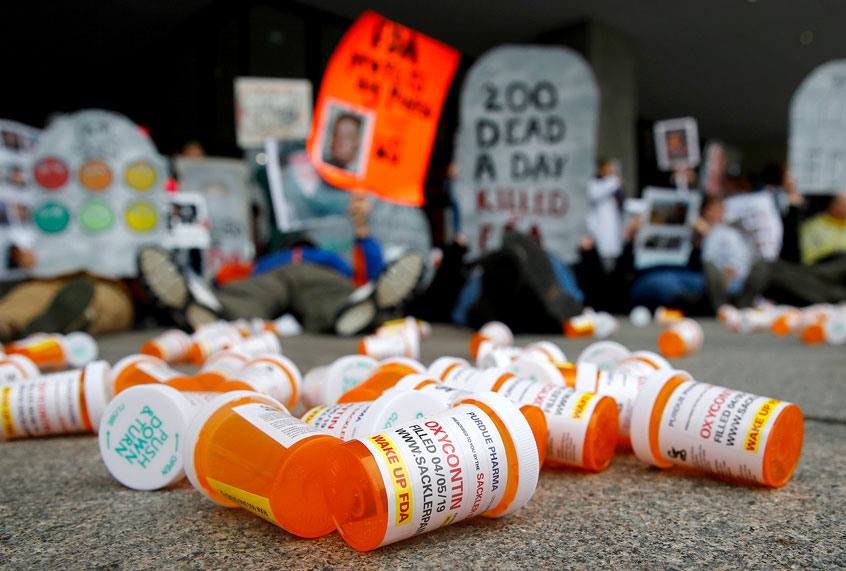
For too long, the narrative around the overdose crisis has been one of relentless tragedy and escalating numbers. It’s a shadow that has loomed large over communities everywhere, leaving an unimaginable trail of grief and loss. We’ve become accustomed to hearing only grim statistics, making it difficult to envision a path forward. But what if we told you that the tides might finally be starting to turn? What if, amidst the ongoing struggle, there’s genuine, hard-won progress being made?
While the crisis is far from over and vigilance remains paramount, there are undeniable signs that things are, in fact, getting better. This isn’t about declaring victory, but about recognizing the powerful impact of dedicated efforts, innovative strategies, and a collective refusal to give up on those struggling.
A Glimmer of Hope in the Data
The sheer scale of the overdose crisis has made any positive shift feel almost unimaginable, yet that’s precisely what we’re beginning to see. Reports from various regions are indicating a significant deceleration in the rate of increase in overdose fatalities, with some areas even experiencing slight decreases. This isn’t random; it’s the result of tireless work by countless individuals and organizations. It means fewer families are facing the heartbreak of sudden loss, and more lives are being saved from the brink. The numbers are still profoundly high, a stark reminder of the work ahead, but the direction of the curve is starting to bend. This subtle but critical shift offers a much-needed breath of hope, suggesting that the worst, in some respects, might be behind us, and that our interventions are indeed having an effect.
The Impact of Collective Action and Compassion
So, what’s driving this change? It’s a multifaceted effort built on compassion and practical solutions. Increased accessibility to naloxone, the life-saving overdose reversal medication, has been a game-changer, turning bystanders into first responders and giving individuals a second chance. Harm reduction strategies, once controversial, are now widely recognized for their effectiveness in keeping people alive and connected to care. Beyond immediate interventions, there’s a growing emphasis on holistic treatment, addressing not just the substance use itself, but the underlying trauma, mental health challenges, and social determinants that contribute to addiction. Community outreach programs are building bridges of trust, connecting people to resources, and combating the pervasive stigma that often prevents individuals from seeking help. As one harm reduction specialist, Dr. Elena Rodriguez, recently put it, “We’re seeing people come back to us, asking for help, asking for a way out. That trust, that connection – that’s the greatest measure of success, far beyond any single statistic.” Her words highlight the human element at the heart of this gradual improvement.
Sustaining the Momentum
This cautious optimism is a powerful motivator, but it also underscores the critical need to sustain and expand these efforts. Getting better doesn’t mean the problem is solved; it means our strategies are working and must continue to evolve. Innovation in treatment, robust funding for prevention programs, and continued public education are vital. We must ensure that access to care is equitable, reaching every community regardless of socioeconomic status or geographical location. The fight against the overdose crisis is a marathon, not a sprint. The slight easing we are now witnessing is a testament to perseverance, but it also serves as a potent reminder that we must not ease our foot off the pedal. Continued advocacy, compassion, and a commitment to evidence-based solutions will be essential to turn this positive trend into a lasting victory for public health and human dignity.
The journey has been devastating, but the emerging data provides a beacon of light. It’s a testament to the resilience of communities, the dedication of frontline workers, and the unwavering belief that every life has value. The overdose crisis is getting better, and that’s a narrative we can all contribute to by continuing to support, understand, and act.

