


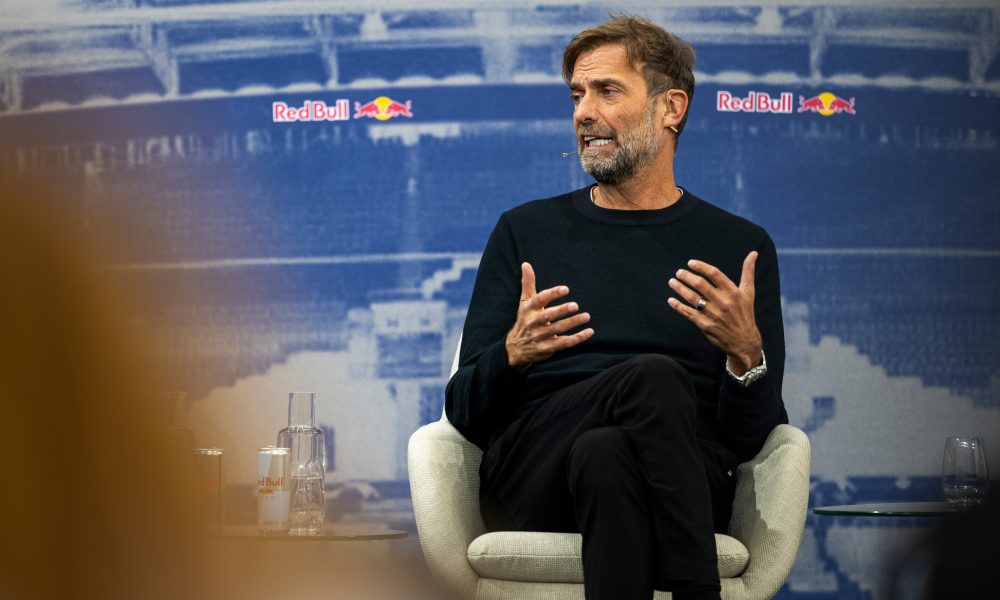
The world of football, particularly European club football, holds a significant, almost devotional, following across India. From the vibrant metros to the quiet towns, discussions about player transfers, managerial changes, and club strategies dominate conversations. Recently, one rumour has sent ripples through this passionate fanbase: the prospect of Jürgen Klopp, a managerial titan, potentially taking the helm at Real Madrid. While the idea itself is electrifying, reports emerging from various European sports outlets suggest that Klopp has a singular, non-negotiable condition for such a monumental move.
The Reported Demand for Absolute Sporting Control
According to prominent reports from Spain and Germany, Jürgen Klopp’s primary condition for considering a role at Real Madrid is complete and unadulterated control over the club’s sporting direction. This isn’t merely about picking the starting eleven; it encompasses a far broader mandate. It includes significant influence, if not outright final say, on transfer policies, player acquisitions and sales, youth academy integration, and the appointment of key backroom staff. Essentially, Klopp seeks the autonomy to construct a footballing ecosystem that aligns perfectly with his renowned philosophy, much as he had at Liverpool and Borussia Dortmund.
For a club of Real Madrid’s stature, steeped in tradition and often characterised by a hierarchical structure where the club president, Florentino Pérez, holds significant sway, this demand is nothing short of revolutionary. It challenges the established norms and potentially redefines the power dynamics within one of the world’s most illustrious sporting institutions. Indian football enthusiasts, accustomed to the boardroom dramas and power struggles in domestic leagues, understand the gravity of such a condition in a global footballing powerhouse.
Klopp’s Philosophy vs. Real Madrid’s Structure
Klopp’s managerial success at both Borussia Dortmund and Liverpool wasn’t just about winning trophies; it was about building sustainable, identity-driven football clubs. At Dortmund, he forged a dynamic, high-pressing team from relatively modest resources, guiding them to two Bundesliga titles and a Champions League final. His tenure at Liverpool saw him transform a sleeping giant into a Premier League and Champions League winner, all predicated on a cohesive vision that permeated every level of the club.
This success, many argue, was largely facilitated by the significant autonomy granted to him. He was empowered to shape squads, instill a clear playing style, and foster a unique club culture. In stark contrast, Real Madrid, under President Florentino Pérez, has a well-documented history of a more centralised approach, particularly concerning high-profile player transfers. The ‘Galáctico’ policy, while bringing immense success and global appeal, often saw star players signed irrespective of the manager’s direct input or tactical fit. While managers like Zinedine Zidane enjoyed considerable trust, the ultimate decision-making power, especially regarding marquee signings, often remained with the club’s top brass.
This fundamental difference in operational philosophy presents a fascinating conundrum. Can Real Madrid, a club known for its grandeur and a degree of presidential oversight, adapt to a manager demanding such extensive control? Or would Klopp, known for his unwavering principles, soften his stance for the allure of the Santiago Bernabéu? These are the questions that fuel countless coffee shop discussions across Mumbai to Chennai.
A High-Stakes Bet for Both Sides
If Real Madrid were to agree to Klopp’s terms, it would represent an unprecedented shift in their operational model, a potentially high-stakes bet on one manager’s vision. The upside could be immense: a long-term project led by one of the game’s most charismatic and tactically astute figures, potentially ushering in a new era of sustained success built on a clear footballing identity. Imagine the synergy of Klopp’s tactical brilliance with Madrid’s resources and ambition – it’s a tantalising thought for any fan.
However, ceding such extensive control also comes with risks. What if the project doesn’t yield immediate results? Would the club’s hierarchy, accustomed to a more hands-on approach, maintain patience? For Klopp, joining Real Madrid would be an undeniable challenge, testing his philosophy against the unique pressures and expectations of a club where winning is not just desired, but demanded annually. The reported condition highlights his belief in his own methodology, suggesting he is unwilling to compromise on the foundational elements he deems essential for success.
A football analyst recently remarked, “Klopp’s success is deeply intertwined with his ability to shape a club’s footballing identity from top to bottom. Demanding full control isn’t arrogance; it’s a fundamental requirement for him to replicate his proven model.” This perspective underscores the professional integrity and strategic foresight that define his career.
The rumour of Jürgen Klopp’s condition for joining Real Madrid adds another layer of intrigue to the already captivating world of football transfers. It’s a clash of powerful wills and established methodologies. Whether Real Madrid will break decades of tradition to accommodate a manager’s demands, or if Klopp will find another destination willing to grant him the autonomy he seeks, remains to be seen. What is clear is that the outcome of this reported negotiation will send shockwaves through the global football community, resonating strongly with fans in India who eagerly await the next chapter in this unfolding saga.

