


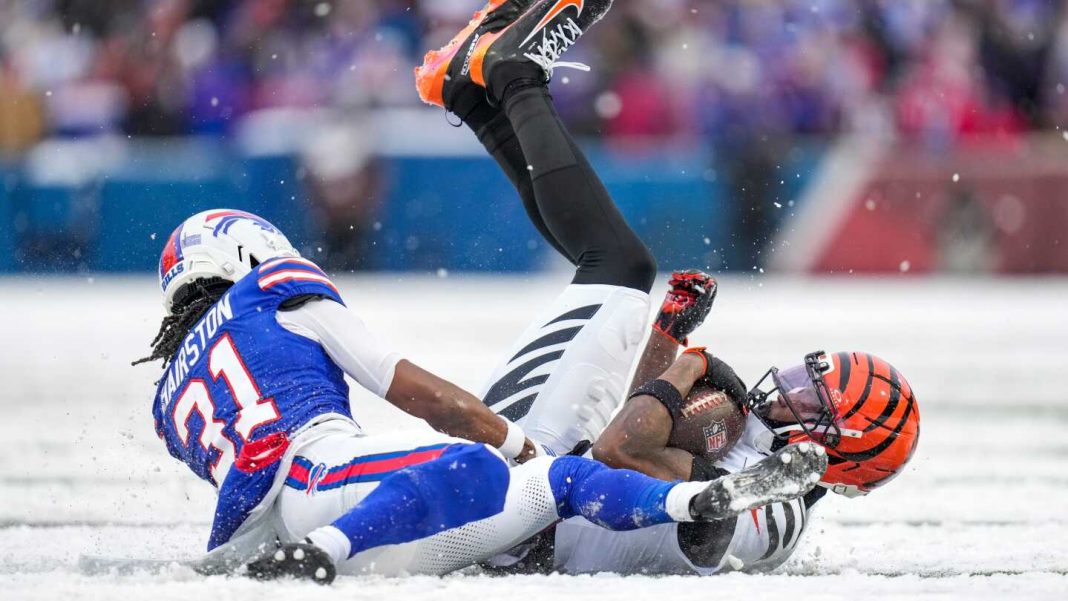
The roar of the crowd, the bone-jarring hits, the impossible athleticism – these are the hallmarks of professional football, a spectacle we adore for its raw intensity. Yet, beneath the dazzling lights and thrilling plays lies a pervasive, often uncomfortable conversation: player safety. The recent joint statement from the NFL and NFLPA regarding Tee Higgins’ latest concussion isn’t just a routine news item; it’s a poignant reminder of the delicate balance the sport continually navigates, and a window into the evolving commitment to its most valuable assets – the players themselves.
The Significance of a Shared Voice
In a landscape often characterized by contention between the league and its players’ union, a joint statement on a matter of player health speaks volumes. It’s a powerful signal that on issues as critical as concussions, there’s a shared understanding, if not always a perfect consensus, on the path forward. This isn’t merely a bureaucratic formality; it represents a hard-won evolution from an era when the long-term impacts of head trauma were less understood, or perhaps, less publicly acknowledged.
The NFLPA’s role is to advocate fiercely for its members, ensuring their immediate and long-term well-being. The NFL, meanwhile, must protect the integrity and future of the game. When these two entities align on a public declaration regarding an individual player’s health, it underscores a mutual recognition of the stakes involved. It reflects a commitment to established protocols and a pledge to transparency, both of which are crucial for maintaining trust among players, fans, and the medical community. This collaborative front is a testament to the ongoing efforts to make the game safer, acknowledging that player safety is a shared responsibility, not an adversarial one.
Beyond the Protocols: The Human Element
While statements and protocols provide a necessary framework, the reality for a player like Tee Higgins is far more personal and complex. A concussion isn’t just a diagnosis; it’s an interruption to a career, a threat to immediate health, and a looming question mark over long-term well-being. The road through concussion protocol is rigorous, involving careful monitoring, cognitive rest, and a gradual return to activity, all under the watchful eyes of independent neurological consultants.
But what happens behind the headlines? The anxieties, the uncertainty, the pressure to return to a sport built on physicality – these are the unseen battles. For athletes who have dedicated their lives to pushing their bodies to the limit, being sidelined with a brain injury can be incredibly isolating. It forces a confrontation with vulnerability in a sport that often demands stoicism. As Dr. Anya Sharma, a leading sports concussion researcher, recently observed, “Each joint statement, while a necessary step, underscores the persistent challenge of balancing the inherent physicality of football with the imperative to safeguard long-term brain health. The true measure of progress lies not just in statements, but in sustained player care and an unwavering commitment to scientific advancement.” Higgins’ situation, therefore, transcends a simple injury report; it embodies the ongoing struggle to protect players’ most vital organ in the crucible of professional sports.
The joint statement concerning Tee Higgins is more than just an update; it’s a conversation starter. It reminds us that football, for all its glory, is a human endeavor with real human costs. It highlights the continued efforts of both the NFL and NFLPA to navigate the complex terrain of player safety, balancing the game’s inherent violence with an evolving ethical imperative. As the sport moves forward, its ultimate success will increasingly be measured not just by its highlight reels, but by its genuine, enduring commitment to the health and future of the individuals who bring it to life.

