


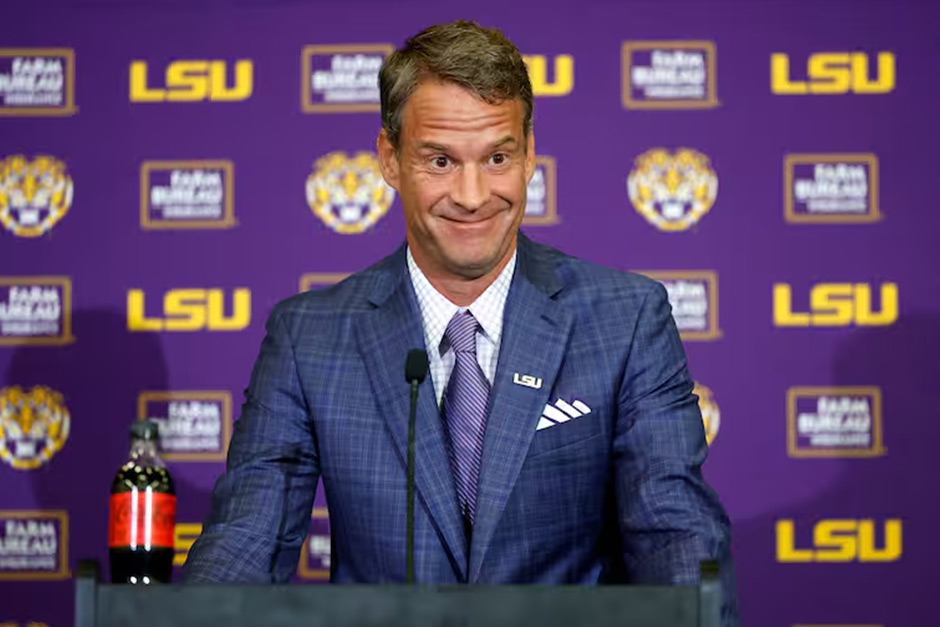
Few figures in college football command the media spotlight quite like Lane Kiffin. His career has been a rollercoaster of high-profile coaching stops, controversial moments, and an undeniable knack for generating headlines. From his abrupt departures to his often-provocative social media presence, Kiffin has cultivated a persona that is as much about the drama off the field as it is about the strategy on it. This constant presence in the news cycle begs a critical question: in the persistent “Lane Kiffin media circus,” who truly emerges victorious, and who might be left counting the costs?
The Beneficiaries of the Buzz
Undoubtedly, Lane Kiffin himself often benefits from the relentless media attention. In a highly competitive landscape, staying relevant is paramount, and Kiffin has mastered the art of it. His witty remarks, candid interviews, and strategic use of social media keep his name in circulation, ensuring he’s always a topic of conversation. This isn’t just about ego; it’s about brand building. Whether it’s generating hype for his current team or keeping his options open for future opportunities, Kiffin’s ability to drive narratives is a valuable asset. It cultivates an image of a confident, unapologetic coach who isn’t afraid to challenge norms, appealing to a certain segment of fans and recruits.
The schools he coaches also often see a bump in visibility. A program that might otherwise struggle for national attention suddenly finds itself a regular fixture on sports talk shows and highlight reels, even if the coverage sometimes verges on sensationalism. This increased exposure can translate into recruiting advantages, drawing in athletes who are either intrigued by the “rebel” persona or simply want to be part of a high-profile program. Furthermore, the media, perhaps more than anyone, is a consistent winner. Kiffin is a content machine, providing endless material for articles, debates, and broadcasts. As one long-time sports analyst put it, “Kiffin understands the modern media landscape better than most coaches. He knows how to grab attention, and in an age of constant content, that’s a superpower.” His every move, every tweet, every soundbite is a potential story, ensuring steady engagement for sports outlets.
The Costs of the Circus
While the media circus can be advantageous, it’s not without its drawbacks, and sometimes Lane Kiffin himself is among the losers. The constant scrutiny means that any misstep, whether on the field or off, is magnified exponentially. What might be a minor gaffe for another coach becomes a national talking point for Kiffin, fueling existing narratives about his past and judgment. This can create a relentless pressure cooker environment, where every decision is dissected under an unforgiving spotlight. While Kiffin appears to thrive in this, the long-term impact of such intense public scrutiny can be draining and contribute to a public perception that overshadows his coaching acumen.
The programs and players can also pay a price. While increased visibility can be good, constant off-field drama can become a significant distraction. Players might find themselves fielding questions about their coach’s latest media stunt rather than their own performance or the team’s upcoming game. This can shift focus away from the hard work and dedication required for success, potentially impacting team chemistry or creating an environment where the “circus” overshadows the sport itself. Moreover, some traditionalists or potential recruits might be turned off by the perceived lack of gravitas or professionalism associated with continuous media spectacle, preferring a more understated approach.
A Double-Edged Sword
Ultimately, the Lane Kiffin media circus is a testament to the evolving nature of sports, where personality and narrative often intertwine with performance. It’s a sophisticated, often calculated, game of chess, where Kiffin leverages the media’s hunger for stories, and the media, in turn, amplifies his persona. While it reliably generates engagement and keeps Kiffin in the national conversation, it also carries the inherent risk of overexposure and distraction. For every winner capitalizing on the buzz, there’s a potential cost, whether it’s a skewed public perception or a momentarily sidelined focus on the game itself. It remains a fascinating case study in modern sports branding and the often blurry line between entertainment and athletic competition.

