


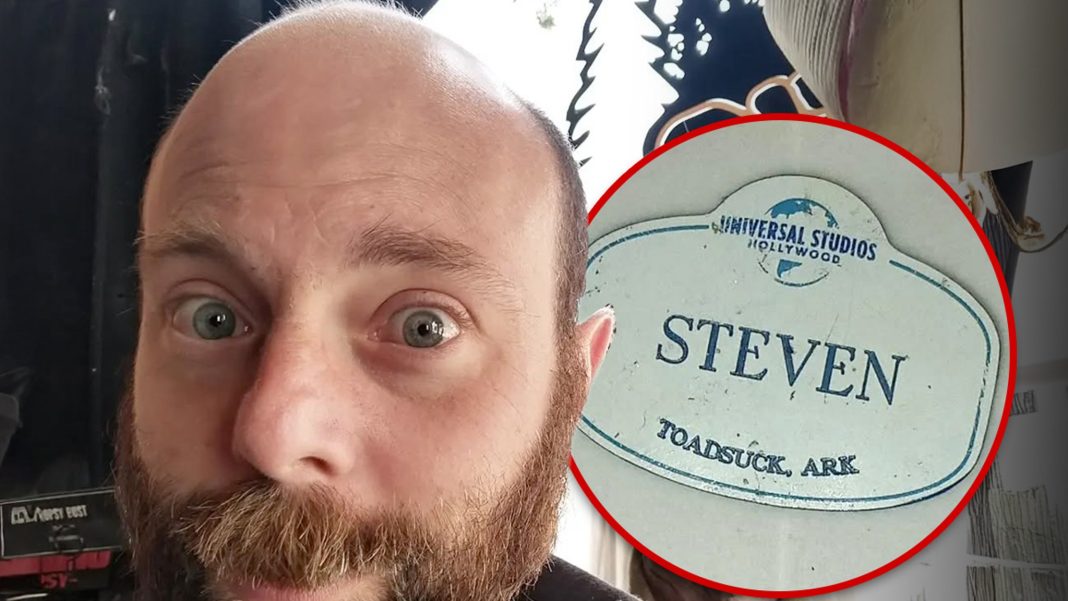
The entertainment industry, like any workplace, faces its share of complex situations regarding professional conduct and employee rights. A recent claim from an actor widely known for his role in Disney’s “Even Stevens” series has ignited discussions about workplace culture, reporting mechanisms, and the potential repercussions for those who speak up. He alleges that his employment at Universal Studios was terminated after he reported what he describes as “bad behavior” within the company.
This development sheds light on the delicate balance companies must strike between maintaining an orderly work environment and fostering an atmosphere where employees feel safe to voice concerns without fear of reprisal. For many, the story brings to the forefront important questions about accountability and transparency in large organizations.
Understanding the Actor’s Allegations
According to the actor’s account, he was engaged in work at Universal Studios when he observed conduct that he deemed inappropriate or unprofessional. He claims to have subsequently reported these observations to management, following what he believed to be the proper internal channels. His allegation is that, shortly after bringing these concerns to light, his employment with the studio was unexpectedly concluded. The actor posits a direct link between his reporting of the alleged bad behavior and his subsequent firing, suggesting that his termination was a direct consequence of his whistleblowing.
The specifics of the “bad behavior” he reported have not been extensively detailed, keeping the focus primarily on the act of reporting itself and the alleged outcome. This situation highlights the potential vulnerability individuals can feel when they believe they are doing the right thing by speaking up about issues in their workplace, especially when facing a large corporate entity.
The Broader Conversation Around Workplace Ethics and Reporting
Claims like these invariably spark a wider conversation about workplace ethics, the efficacy of internal reporting systems, and the protection of employees who report misconduct. Many companies have established policies and procedures designed to encourage employees to report issues ranging from harassment to safety violations, often promising confidentiality and non-retaliation. However, the perception of whether these systems truly work as intended can vary greatly.
The concept of “whistleblower protection” exists precisely to safeguard individuals who expose wrongdoing within an organization. It aims to prevent companies from punishing employees for reporting illegal, unethical, or dangerous activities. However, navigating these waters can be fraught with challenges for both the employee making the report and the company tasked with investigating it.
“Cases like this remind us of the delicate balance between corporate policy and individual rights,” observes one HR consultant. “It underscores the critical need for transparent reporting mechanisms and thorough, unbiased investigations.” Such incidents serve as a reminder for all organizations to regularly review and reinforce their commitment to creating a safe environment for reporting concerns.
Universal Studios’ Position (or Lack Thereof)
As is often the case with such personnel matters, Universal Studios has not publicly commented on the actor’s specific allegations. Companies typically have policies against discussing individual employment situations publicly, citing privacy concerns and the ongoing nature of internal processes. This lack of public statement from the studio’s side means that, for now, the narrative largely rests on the actor’s account.
Organizations like Universal Studios generally have robust internal HR and legal departments dedicated to handling employee relations, compliance, and dispute resolution. While an actor’s claim can garner significant public attention due to their profile, the internal mechanisms for addressing such issues are usually designed to be comprehensive, albeit confidential. The expectation is that any claims of wrongdoing or wrongful termination would be subject to a thorough review process, guided by established company policies and employment law.
This situation underscores the complexities inherent in workplace disputes, particularly when they involve public figures and large corporations. The story continues to evolve, prompting important dialogue about accountability, the courage to speak up, and the pathways for justice in professional environments.

