


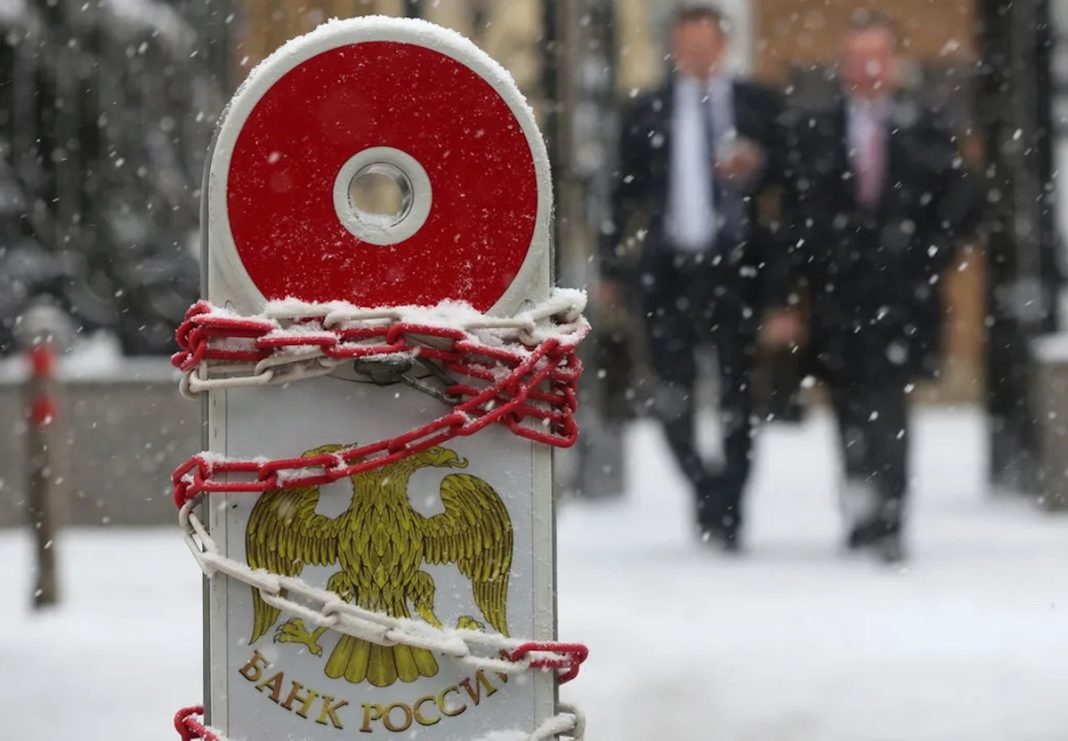
The geopolitical landscape has seen a seismic shift since February 2022, ushering in an era of unprecedented economic measures. Among the most significant of these is the freezing of approximately €300 billion worth of Russian central bank assets by G7 nations and the European Union. What began as a punitive measure against Russia’s actions in Ukraine has evolved into a complex legal and financial dilemma for the EU, raising profound questions about international law, sovereign immunity, and the future of global financial stability. This isn’t merely an asset freeze; it’s a monumental ‘holdup’ that is testing the very foundations of the international economic order.
The Legal Labyrinth of Frozen Assets
The initial freezing of Russian central bank assets, held primarily in Western financial institutions, was an immediate response to the conflict. However, the conversation has since moved beyond freezing to potentially seizing or leveraging these assets for Ukraine’s reconstruction. The EU is currently weighing various proposals, with the most advanced suggesting the use of profits generated by these frozen assets. Euroclear, a Belgium-based financial services company, holds a substantial portion of these assets and has generated significant profits from their investment.
The legal challenges surrounding outright seizure or even the appropriation of profits are immense. International law, particularly the principle of sovereign immunity, generally protects central bank reserves from confiscation. Advocates for using the assets argue that Russia’s actions constitute a violation of international law, thus potentially negating its immunity. Opponents, however, warn of setting a dangerous precedent that could destabilise the global financial system. Such a move could lead other nations to diversify their reserves away from Western currencies and financial centres, fearing similar actions in the future.
“The fundamental principle of sovereign immunity for central bank assets is a cornerstone of international finance,” notes one prominent international legal scholar. “Any deviation, no matter how justified it might seem in a specific context, creates a ripple effect that could undermine confidence in the global financial system for decades to come.”
Global Financial Trust and India’s Strategic Considerations
The debate over Russian assets resonates far beyond the EU and Ukraine, touching upon the very bedrock of global financial trust. For economies like India, which hold substantial foreign exchange reserves, the precedent being discussed is a matter of profound strategic importance. India’s reserves, currently over $600 billion, are vital for its economic stability and international trade. The idea that such assets, held in foreign jurisdictions, could be appropriated or leveraged raises concerns about the sanctity of international financial agreements and the weaponisation of economic interdependence.
India has historically advocated for a rule-based international order and the principle of non-interference. While maintaining a pragmatic relationship with both Russia and the West, New Delhi observes these developments keenly. A move by the EU to significantly alter the status of frozen Russian assets could prompt India, and other emerging economies, to reassess their reserve management strategies. This might involve greater diversification into alternative assets, a push for de-dollarisation, or exploring new payment mechanisms that circumvent traditional Western-dominated financial channels. The BRICS bloc, of which India is a key member, has already been discussing alternative financial architectures, and the Russian asset debate could provide further impetus for such initiatives.
The Road Ahead: High Stakes and Uncharted Territory
The EU’s deliberation is not just a legal or economic exercise; it is a profoundly political one, laden with high stakes. There is immense pressure from Ukraine and its allies to make Russia pay for the damages caused. However, the long-term consequences of an unprecedented asset seizure could be far-reaching, potentially fracturing the global financial system and creating deep geopolitical fissures.
The current proposals in the EU focus on a phased approach, starting with the profits from the frozen assets, which would still face legal challenges but are seen as less drastic than seizing the principal. Russia has, predictably, warned of retaliatory measures and legal challenges should any such move be implemented. This complex ‘holdup’ is thus poised to redefine the rules of engagement in international finance, forcing nations globally, particularly those with significant economic stakes, to navigate an increasingly unpredictable world order. For India, remaining neutral and advocating for global financial stability while protecting its own economic interests will be a delicate tightrope walk in the years to come.
The EU’s decisions on these frozen Russian assets will not merely affect Russia or Ukraine; they will send a powerful signal to every nation holding reserves abroad, potentially redrawing the map of global financial trust and interdependence.

