


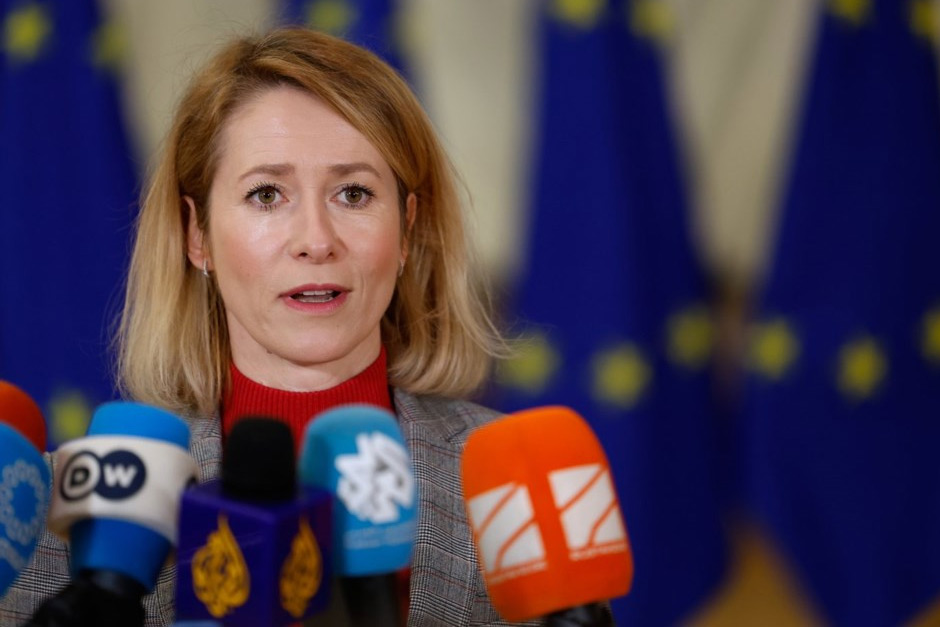
The European Union has delivered a forceful message, announcing sanctions against 15 Iranian officials, a move explicitly aimed at those deemed responsible for a “brutal crackdown” within the nation. This isn’t merely a bureaucratic formality; it’s a significant diplomatic step targeting high-ranking individuals, including prominent leaders from the Revolutionary Guard, reflecting the international community’s growing alarm over widespread human rights abuses.
The EU’s Decisive Action Against Human Rights Violations
In a coordinated effort to address severe human rights concerns, the EU has activated its human rights sanctions regime, imposing strict measures on individuals accused of egregious acts. The focus of these sanctions is clear: to hold accountable those in positions of power who have allegedly orchestrated or participated in the violent suppression of dissent. This action underscores a fundamental principle of the EU’s foreign policy – that fundamental human rights are universal and non-negotiable, and their violation will incur significant international condemnation and consequences.
The breadth of these sanctions is noteworthy, encompassing travel bans that prevent the targeted officials from entering any EU member state, alongside asset freezes that block access to any funds or economic resources they may hold within EU jurisdiction. Such measures are designed to limit the personal freedoms and financial capacities of those implicated, signaling a direct and tangible impact on individuals rather than broad economic sanctions that might affect the wider population.
Targeting the Architects of Repression
Perhaps the most impactful aspect of this latest round of sanctions is the inclusion of top Revolutionary Guard leaders. The Islamic Revolutionary Guard Corps (IRGC) is a powerful military organization deeply embedded in the political, economic, and security structures of Iran. By directly targeting its leadership, the EU is aiming at the core machinery believed to be responsible for implementing and enforcing the “brutal crackdown” that has drawn international scrutiny. This highlights a deliberate strategy to pinpoint those at the highest echelons of authority who are seen as instrumental in the state’s response to internal unrest.
This targeted approach signifies an escalation in international pressure, moving beyond general statements of concern to specific actions against key figures. Many analysts believe such precision strikes are crucial for effective diplomacy. As Dr. Anya Sharma, a human rights advocate, put it, “These sanctions are more than just symbolic; they are a direct challenge to the impunity enjoyed by those who believe they can act without consequence. By singling out leaders of the Revolutionary Guard, the EU is sending an unmistakable message that complicity in human rights abuses will not be overlooked by the global community.” This sentiment reflects a growing demand for accountability for high-level officials globally.
A Clear Message of Accountability
The EU’s latest move serves as a robust declaration that the international community is paying close attention to events unfolding within Iran and is prepared to act decisively. It’s a powerful statement against the use of excessive force and the systematic suppression of basic freedoms. While sanctions alone may not bring immediate political transformation, they are a vital tool in the diplomatic arsenal, designed to exert pressure, isolate responsible parties, and lend support to those advocating for change from within.
Ultimately, this action reinforces the principle that individuals, regardless of their position, can and will be held responsible for violations of human rights. It represents a significant step in the ongoing global effort to advocate for justice and dignity, reminding all parties that the pursuit of peace and security must always be underpinned by respect for fundamental human liberties.

