


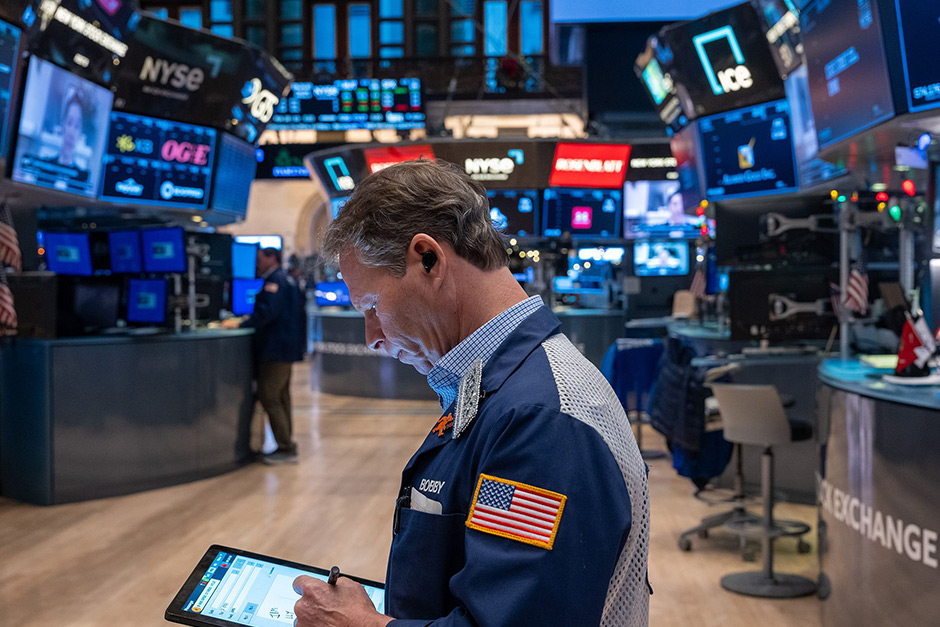
The latest jobs report landed with a flourish, exceeding expectations and painting a picture of surprising economic resilience. In times past, such robust employment figures would ignite a celebratory rally on Wall Street, sending indices like the Dow soaring. Yet, the market’s reaction this time around has been remarkably subdued, leaving many scratching their heads. The Dow, instead of leaping with joy, has largely remained stuck in place, betraying a curious lack of excitement from investors. What gives? It seems that in the current economic climate, even undeniably good news can come with an unexpected side effect: a renewed sense of caution.
The Paradox of Progress: Good News, Flat Markets
On the surface, the jobs report delivered everything optimists could wish for. Employment growth was strong, unemployment remained remarkably low, and wage gains, while moderate, suggested a healthy, stable labor market. Traditionally, these indicators signal a robust economy, which translates to higher consumer spending, better corporate earnings, and ultimately, a bullish outlook for stocks. Investors are supposed to cheer for growth, and this report certainly provided it in spades.
However, the prevailing sentiment isn’t one of unbridled enthusiasm. Instead, there’s a palpable sense of apprehension. This muted response isn’t about disbelief in the data; it’s about the broader implications of such strength. The market is playing a more nuanced game, weighing every positive economic indicator against the looming shadow of inflation and the central bank’s unwavering commitment to price stability. What once served as a clear signal for growth is now being reinterpreted through a more complex lens, where good news for the economy can sometimes feel like a harbinger of less favorable news for asset prices.
The Central Bank’s Tightrope Walk: Interest Rates and Investor Patience
The primary reason for the Dow’s inertia in the face of stellar job numbers lies squarely with expectations around monetary policy. A strong labor market, while excellent for Main Street, also implies ongoing demand and potential for inflationary pressures to persist. For the central bank, which has been aggressively hiking interest rates to combat rising prices, this presents a dilemma. Each piece of surprisingly good economic data strengthens the argument for keeping interest rates higher for longer, or even for additional rate increases.
Higher interest rates fundamentally change the investment landscape. They increase borrowing costs for businesses, potentially squeezing profit margins. They also make fixed-income investments, like bonds, more attractive relative to stocks, as investors can get a guaranteed return with less risk. This shift in the risk-reward calculation makes equity investors hesitant to push prices higher, even for companies showing strong fundamentals. As one seasoned market veteran aptly put it, “It’s a tough spot for the central bank. Every sign of economic strength now feels like a nudge towards tighter policy, and investors are keenly aware of that tightrope walk. They’re not celebrating strength; they’re anticipating the central bank’s next move.” The market is now less focused on the economic present and more attuned to the monetary future, waiting to see how long the central bank will need to maintain its hawkish stance.
A Shift in Market Psychology
Beyond the direct impact of interest rates, there’s also a psychological element at play. After a period of significant volatility and a concerted effort by the central bank to cool the economy, investors have grown cautious. They’ve learned to be wary of surprises, especially those that might delay the much-anticipated pivot towards easier monetary policy. This shift means that instead of reflexively buying on good news, they are now more inclined to “sell the news” or, as in this case, simply absorb it with a watchful eye, preferring to wait for clearer signals from policymakers before committing to significant moves.
Conclusion: Navigating the New Normal
The Dow’s flat reaction to an otherwise excellent jobs report is a stark illustration of the current market paradigm. We are in an era where economic strength, while welcome, is meticulously scrutinized for its inflationary implications and potential influence on central bank policy. Investors are no longer simply cheering for growth; they are carefully calculating the cost of that growth in terms of interest rates and the broader financial environment. This isn’t a sign of economic weakness, but rather a reflection of a mature and cautious market attempting to navigate a complex, data-dependent landscape. The excitement may be muted, but the underlying economy continues to show remarkable resilience, leaving investors to ponder when, and under what conditions, that resilience will translate into renewed market enthusiasm.

