


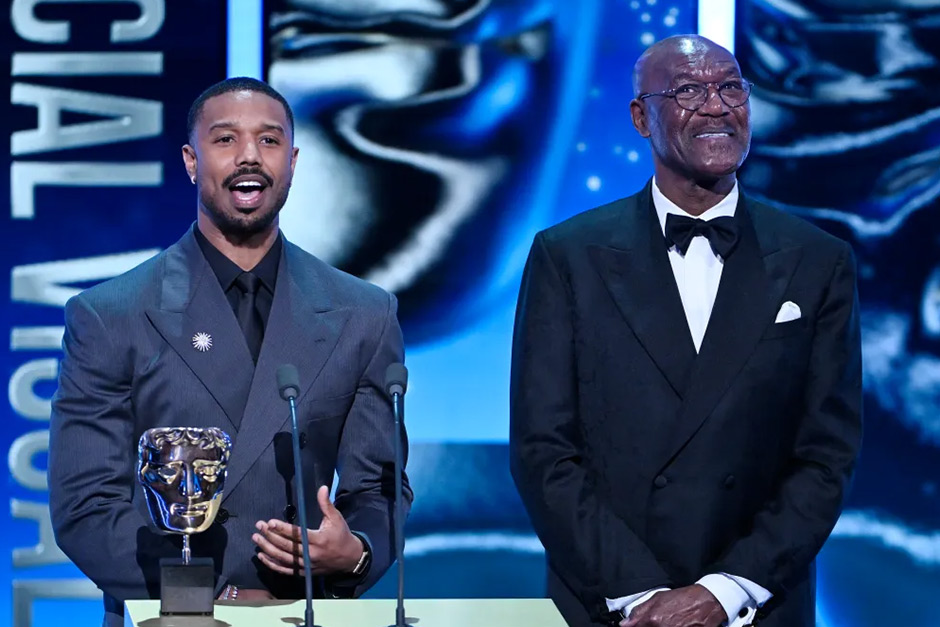
The glitz and glamour of the Baftas are typically defined by sparkling achievements and heartfelt speeches. But sometimes, live television, with all its unpredictable magic, throws a curveball that nobody anticipates. Recently, the BBC found itself in an uncomfortable spotlight, issuing a sincere apology following a racial slur uttered by a guest with Tourette’s during the 2026 Baftas broadcast.
It’s a moment that has sparked a significant conversation, not just about broadcast responsibility but about the nuanced complexities of disability, intent, and the indelible impact of offensive language. TrendLyric.com delves into what this incident means for live programming, inclusivity, and our collective understanding.
The Tightrope Walk of Live Broadcasting
Live events are a thrilling gamble. Unlike pre-recorded shows where every syllable can be meticulously edited, the spontaneity of live television means anything can happen. From wardrobe malfunctions to unscripted outbursts, broadcasters face immense pressure to deliver a seamless, appropriate experience in real-time. This pressure is amplified when guests with conditions that affect speech or behaviour are involved.
The incident at the Baftas highlights the near-impossible task faced by production teams. When a guest with Tourette’s, a neurological condition characterized by involuntary movements and vocalizations known as tics, utters a racial slur, it creates an immediate ethical and practical dilemma. The tics are by definition involuntary, not reflective of the individual’s intent or beliefs. Yet, the word itself, regardless of its origin, carries a profound weight and causes undeniable harm to those who hear it.
As one media commentator, Sarah Jennings, observed, “Live television is a tightrope walk, and when conditions like Tourette’s are involved, the safety net needs to be stronger, not just for the audience, but for the guests themselves. It’s about more than just a delay; it’s about informed strategies and support.” The challenge isn’t merely to censor, but to navigate a delicate path that respects both the individual’s condition and the audience’s right to a non-offensive broadcast.
Navigating Intent, Impact, and Inclusivity
The core of this incident rests on the distinction between intent and impact. In the case of Tourette’s tics, the utterance is involuntary; there’s no malicious intent behind the word. However, the impact of a racial slur is immediate and deeply hurtful, irrespective of the speaker’s conscious volition. This is where the BBC’s apology becomes crucial. It acknowledges the harm caused to viewers, particularly those from affected communities, by the broadcast of such a word.
This situation compels us to reflect on how major broadcasters approach inclusivity. While inviting diverse guests, including those with disabilities, is a positive step towards representation, it also necessitates robust protocols to manage unforeseen circumstances. Is it enough to simply apologize, or should there be more comprehensive strategies in place, such as education for production staff, real-time audio delays, or pre-emptive discussions with guests and their support teams? The discussion extends beyond censorship to fostering an environment where individuals with Tourette’s can participate without fear of inadvertent controversy, and where audiences are protected from offensive content.
Beyond the Apology: A Call for Greater Understanding
The BBC’s swift apology for not catching the racial slur was necessary and important. It underscored the broadcaster’s commitment to upholding standards and acknowledging the pain caused. However, this moment also serves as a potent reminder that our understanding of complex conditions like Tourette’s needs to evolve.
For many, Tourette’s is still largely misunderstood, often stereotyped or sensationalized. Incidents like this, while regrettable, offer an opportunity for greater public education, fostering empathy and informed dialogue. It’s a chance for broadcasters and audiences alike to consider how we can create more inclusive spaces, both on and off screen, where diverse experiences are respected, and inadvertent harm is mitigated with grace and genuine effort. The goal isn’t just to avoid future missteps, but to build a more understanding and responsible media landscape for everyone.

