


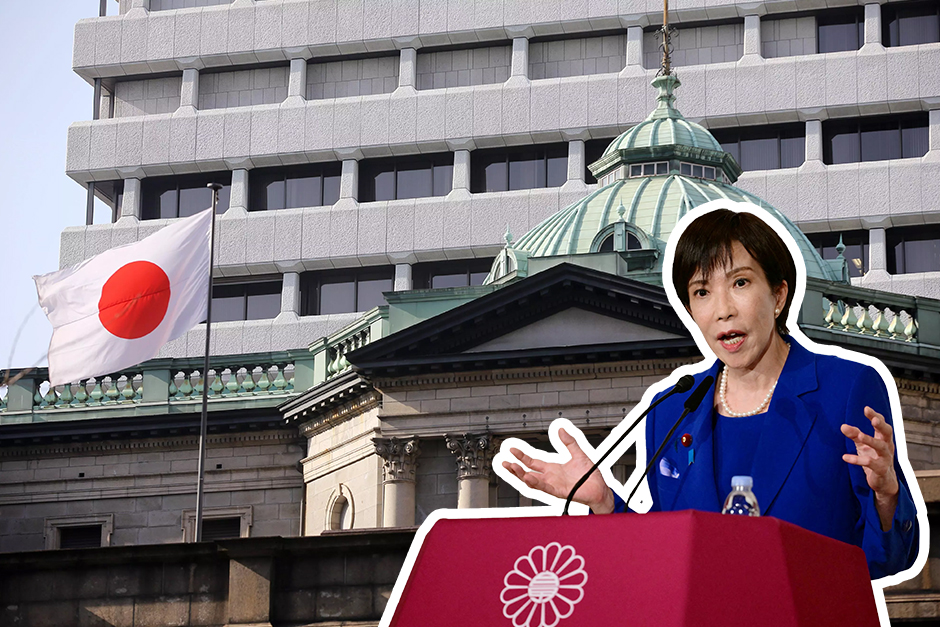
A new chapter has begun in Japan’s political landscape with Prime Minister Takaichi at the helm, and all eyes were on the Bank of Japan’s first monetary policy meeting under her administration. The verdict? A largely anticipated decision to keep its key interest rates firmly anchored. This steady hand from the central bank signals a continuation of its cautious approach, even as a new government sets its agenda. It’s a critical moment, balancing the need for economic stability with the evolving pressures of global and domestic markets.
The BOJ’s Measured Stance
The Bank of Japan’s decision to maintain its current policy settings wasn’t a shocker for market watchers. After all, the central bank has been carefully unwinding its unconventional measures, transitioning from a prolonged period of ultra-loose policy. This gradualist approach reflects a desire to ensure that nascent inflationary pressures are truly sustainable and supported by robust wage growth, rather than being merely transient. While inflation has been hovering around the central bank’s target, officials are likely seeking more definitive signs that this trend is firmly embedded in the economy, fostering a virtuous cycle of rising prices and salaries. Global economic uncertainties, including geopolitical tensions and fluctuating commodity prices, also play a significant role in their cautious outlook, making a sudden shift in policy seem premature to many.
This “wait-and-see” approach allows the BOJ to observe how previous policy adjustments are rippling through the economy. It gives them time to assess consumption patterns, business investment, and, critically, the trajectory of wage increases negotiated in the upcoming labor talks. For now, stability appears to be the primary directive, prioritizing a smooth transition over abrupt changes that could disrupt market confidence.
Takaichi’s Economic Vision and Central Bank Autonomy
With Prime Minister Takaichi now leading the government, her economic priorities will undoubtedly draw scrutiny, particularly how they might intersect with the Bank of Japan’s independent mandate. While the central bank operates with a high degree of autonomy, there’s always a delicate dance between fiscal policy set by the government and monetary policy controlled by the BOJ. Takaichi’s administration is expected to focus on fostering sustainable growth, potentially through supply-side reforms or targeted stimulus. How these government initiatives interact with the BOJ’s inflation targets will be a key dynamic to watch.
“This initial decision underscores the BOJ’s commitment to its own data-driven assessment, separate from any new political winds,” observed Dr. Kenji Tanaka, an independent economic analyst. “While a new administration brings fresh perspectives, the central bank will likely continue to prioritize its mandate for price stability, only moving when the economic data unequivocally supports such a shift.” This sentiment highlights the inherent tension and mutual respect between the executive branch and the monetary authority.
The new government’s stance on fiscal policy – whether it leans towards consolidation or further spending – could indirectly influence the BOJ’s future calculations. Stronger fiscal support might ease the burden on monetary policy, while fiscal tightening could complicate the path to sustained inflation. For now, the BOJ is signaling it will continue to chart its course based on its reading of the economic tea leaves, irrespective of the political cycle.
As Prime Minister Takaichi embarks on her leadership journey, the Bank of Japan’s decision to hold steady on rates offers a picture of continuity and caution. It’s a message that the central bank intends to remain pragmatic and data-dependent, ensuring that any future adjustments are firmly rooted in robust economic fundamentals. This steady approach in the face of a new political era reflects a commitment to economic stability, providing a predictable backdrop as Japan navigates its ongoing economic evolution. The stage is now set for a careful observation of both government policy and central bank actions, as the nation strives for sustained prosperity.

