


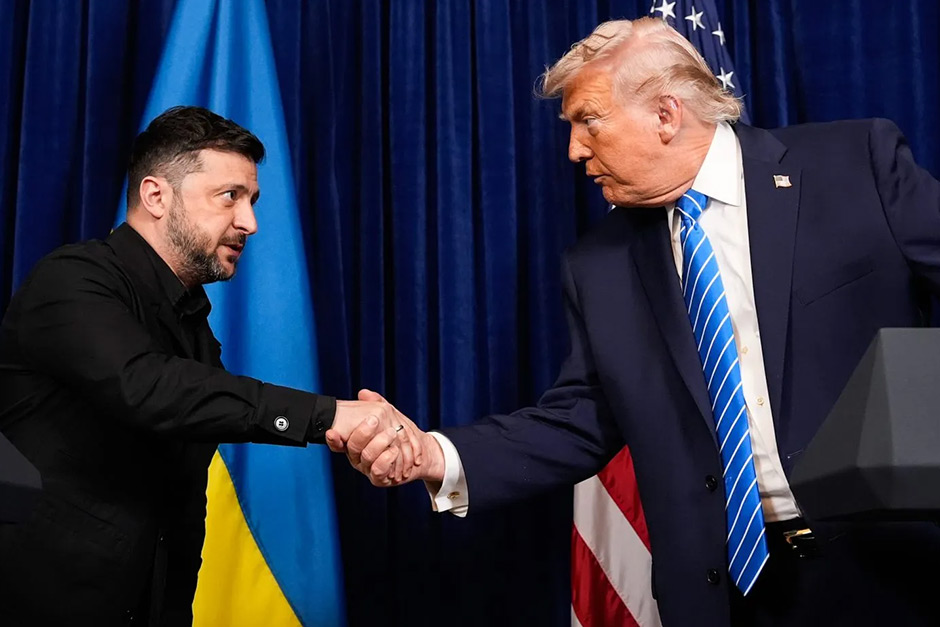
In the intricate tapestry of global diplomacy, pronouncements from world leaders often carry significant weight, shaping perceptions and influencing international relations. Few statements, however, generated as much discussion and speculation as former US President Donald Trump’s succinct yet powerful assessment of his interactions with Russia: Terrific meeting; made a lot of progress.
This statement, often delivered in the context of high-stakes summits, has consistently captured headlines, prompting analyses not just in Washington and Moscow, but across continents, including keenly in India, where geopolitical shifts are observed with strategic precision.
The Diplomatic Landscape and Perceived Progress
Donald Trump’s presidency was marked by a distinctive approach to foreign policy, often prioritizing direct engagement and transactional diplomacy. His meetings with Russian leaders, particularly President Vladimir Putin, were frequently characterized by a willingness to seek common ground, even amidst widespread domestic and international scrutiny regarding alleged Russian interference in US elections and ongoing geopolitical tensions. The “terrific meeting” and “progress” claims typically emerged following such engagements, whether at standalone summits like Helsinki or on the sidelines of multilateral forums like the G20.
The nature of this “progress” remained a subject of intense debate. Critics often pointed to a lack of concrete, verifiable outcomes, suggesting the statements were more about projecting an image of proactive diplomacy than substantive breakthroughs. Conversely, supporters argued that simply opening lines of communication and fostering a dialogue between two nuclear-armed powers was, in itself, a form of progress, especially given the historically strained relationship post-Cold War. Topics often discussed included arms control, regional conflicts like Syria and Ukraine, energy markets, and counter-terrorism efforts. For a global audience, these meetings represented moments of potential thaw or continued friction, with implications for everything from oil prices to regional stability.
An Indian Perspective: Navigating a Multipolar World
From New Delhi’s vantage point, the dynamics between Washington and Moscow are invariably observed with keen interest. India, with its long-standing strategic partnership with Russia – a relationship built on decades of defense cooperation, energy ties, and diplomatic alignment – and its burgeoning strategic partnership with the United States, often finds itself navigating a complex geopolitical landscape. India’s foreign policy is rooted in the principle of strategic autonomy, aiming to maintain robust ties with all major global powers without being tethered to any single bloc.
A perceived detente, or even the intent towards one, between the US and Russia has multifaceted implications for India. On one hand, greater stability between two major global players can be seen as beneficial for a stable international order, which serves India’s economic and security interests. Reduced tensions could potentially alleviate pressure on India regarding its defense procurements from Russia, such as the S-400 Triumf air defense systems, which have been a point of contention under US sanctions policies. A more cordial US-Russia relationship might also create space for coordinated efforts on global challenges like climate change, pandemic preparedness, and counter-terrorism, areas where India plays a crucial role.
On the other hand, the complexities run deep. India relies on its close ties with Russia for a significant portion of its defense hardware and technological collaboration. A warming US-Russia relationship could, in some scenarios, lead to shifts in Russia’s foreign policy priorities, potentially impacting its historical commitments or strategic focus areas vital to India. Similarly, if the US were to dramatically alter its stance towards Russia, it could affect Washington’s broader geopolitical strategies, including its focus on the Indo-Pacific and its partnerships, such as the Quad, in which India is a key player. India’s pragmatic diplomacy necessitates a careful calibration, ensuring that its national interests remain paramount, irrespective of the fluctuating bilateral dynamics between other global powers.
Conclusion: The Enduring Quest for Global Equilibrium
Donald Trump’s characterization of his meetings with Russia as “terrific” and yielding “progress” encapsulates a perennial challenge in international relations: the balancing act between confrontation and cooperation among great powers. While the immediate tangible results of such statements were often debated, they underscored the imperative for dialogue between nations with divergent interests but shared global responsibilities. For India, these interactions serve as a continuous reminder of the need for an agile and independent foreign policy, capable of fostering strong bilateral relationships while simultaneously contributing to a more balanced and peaceful international system. The quest for global equilibrium remains an ongoing endeavor, with every high-level pronouncement adding another layer to the intricate tapestry of international diplomacy.

