


The Indian subcontinent, known for its diverse climatic zones, has recently been grappling with unusual, abrupt temperature fluctuations. From sudden dips to unseasonal spikes, this weather “see-saw” is doing more than just catching residents off guard; it’s creating a perfect storm for the proliferation of respiratory viruses. Across cities and towns, clinics and hospitals are reporting a significant surge in cases of cough, cold, and flu-like symptoms, signalling a widespread public health concern that demands attention.
The Viral Bloom in Unstable Weather
Meteorological shifts, particularly those characterised by significant diurnal temperature variations, create an ideal environment for various pathogens to thrive and spread. When temperatures fluctuate wildly – warm mornings giving way to chilly evenings, or unseasonal rains followed by dry spells – our bodies struggle to adapt. This constant thermal stress can subtly suppress the immune system, making individuals more susceptible to infections. Viruses like Influenza, Adenovirus, Rhinovirus (the common cold virus), and Respiratory Syncytial Virus (RSV) are particularly adept at exploiting these conditions. They become more stable and transmissible at certain temperatures, and the human immune system, already working overtime to regulate body temperature, has fewer resources to mount a robust defence.
In India, regions experiencing delayed monsoons, unseasonal post-monsoon showers, or abrupt transitions into winter have seen this phenomenon acutely. For instance, cities that typically brace for a consistent cold spell are instead witnessing alternating warm and cool days. This environmental inconsistency doesn’t just weaken our natural defences; it also keeps viruses in a state where they can replicate and transmit efficiently, leading to prolonged cold and flu seasons or unexpected flare-ups outside typical periods.
Strain on Healthcare and Daily Life
The consequences of this viral surge are palpable across India’s healthcare landscape. Hospitals and local clinics are experiencing an unprecedented rush, with waiting rooms often overflowing with patients presenting classic symptoms: persistent cough, sore throat, runny nose, body aches, and fever. The increased patient load is straining resources, extending waiting times, and putting immense pressure on medical professionals who are working tirelessly to manage the influx.
Beyond the medical fraternity, the flare-up is significantly impacting daily life. Schools are reporting higher absenteeism among students and staff, potentially affecting academic calendars. Workplaces are feeling the pinch of reduced productivity due to sick employees, and families are grappling with the challenge of caring for unwell members. The economic ripple effect, from increased expenditure on medication and doctor visits to lost wages, is also a growing concern for many households.
“We’ve seen a clear spike in respiratory illnesses correlating directly with these weather changes,” explains Dr. Priya Singh, a leading pulmonologist based in Mumbai. “Patients often present with more severe or prolonged symptoms than a typical cold, sometimes requiring hospitalisation, especially among children, the elderly, and those with pre-existing conditions. It’s crucial for people not to ignore symptoms and to seek timely medical advice, avoiding self-medication.”
Proactive Measures and Public Awareness
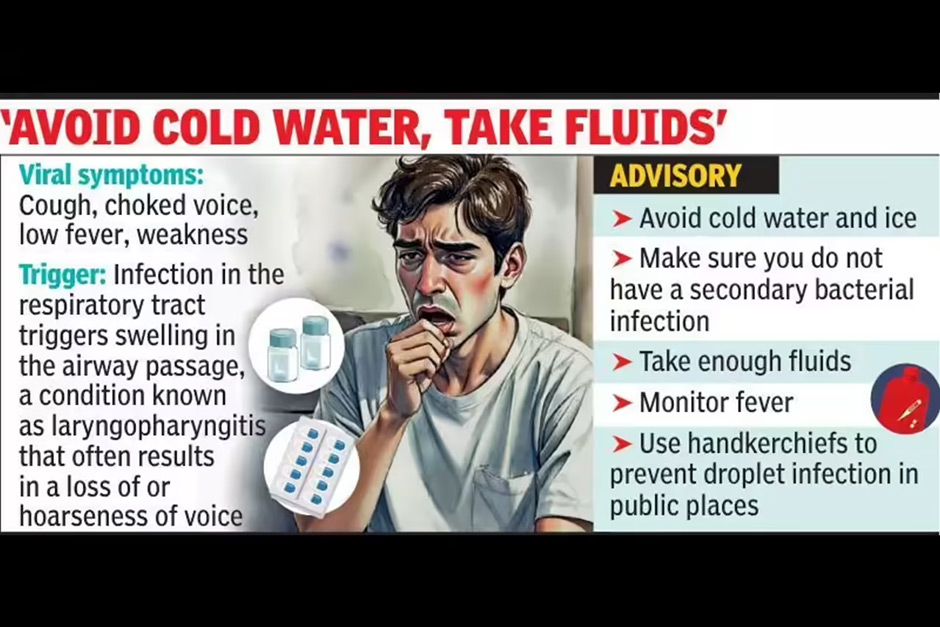
In light of this growing challenge, adopting proactive measures becomes paramount for individual and collective well-being. Simple, effective public health advisories are more critical than ever. Maintaining meticulous hand hygiene, particularly washing hands frequently with soap and water or using an alcohol-based sanitiser, remains a cornerstone of prevention. Wearing masks in crowded public spaces, especially for those experiencing symptoms or belonging to vulnerable groups, can significantly curb transmission.
Furthermore, bolstering one’s immune system through adequate hydration, a balanced diet rich in vitamins and minerals, and sufficient sleep cannot be overstated. Avoiding close contact with sick individuals and ensuring proper ventilation in indoor spaces also play a vital role. While home remedies offer comfort, it is essential to consult a doctor for persistent or worsening symptoms rather than relying solely on self-medication, which can sometimes mask serious underlying conditions or lead to complications.
Public health campaigns need to intensify efforts to educate citizens about the correlation between weather changes and viral spread, encouraging early symptom recognition and appropriate healthcare-seeking behaviour. As India navigates these increasingly unpredictable weather patterns, a collective commitment to health vigilance and preventive practices will be key to mitigating the impact of these seasonal, or rather, unseasonal, viral onslaughts.
The current wave of coughs and colds across India serves as a stark reminder of the intricate link between environmental shifts and public health. The “temp see-saw” is not merely an inconvenience; it’s a significant factor in altering disease epidemiology. By understanding the science behind these outbreaks and diligently adopting preventive measures, individuals and communities can better arm themselves against the invisible threat of viruses, ensuring healthier days ahead amidst our changing climate.

