


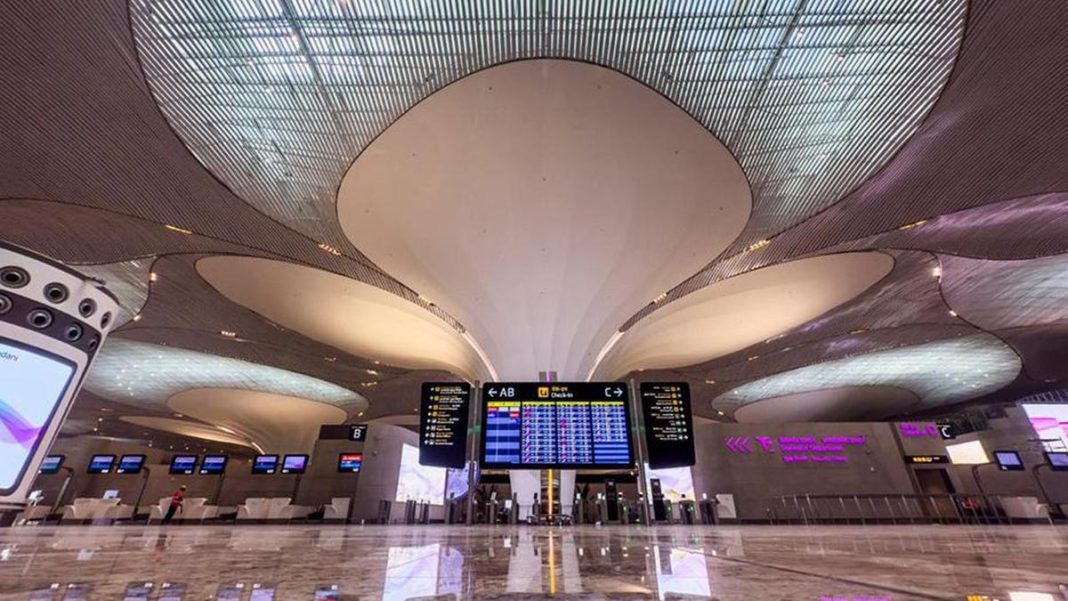
India’s burgeoning aviation sector is often a focal point for economic growth and technological advancement. Yet, even as new, state-of-the-art facilities emerge, foundational issues concerning connectivity can cast a long shadow. The Navi Mumbai International Airport (NMIAL), a landmark project developed and operated by Adani Enterprises, finds itself at the centre of one such controversy. Major telecom operators in India, including Reliance Jio, Bharti Airtel, and Vodafone Idea, have collectively raised serious concerns, accusing NMIAL of obstructing the deployment of crucial mobile infrastructure and alleging the creation of a monopolistic environment.
The Connectivity Conundrum at NMIAL
The core of the dispute revolves around the inability of licensed telecom service providers (TSPs) to install essential mobile infrastructure within the new airport premises. This infrastructure, comprising towers, small cells, and in-building solutions (IBS), is vital for ensuring seamless mobile connectivity, especially 5G services, for millions of passengers, airport staff, and operational systems. The Cellular Operators Association of India (COAI), representing the interests of these telcos, has escalated the matter, writing to the Department of Telecommunications (DoT) and the Ministry of Civil Aviation, highlighting the potential for significant disruption.
A modern international airport like NMIAL is designed to be a bustling hub of activity, where connectivity is not just a convenience but a critical operational requirement. From baggage handling and security systems to air traffic control and passenger services, nearly every aspect relies on robust and reliable communication networks. The telcos argue that denying them access to deploy their networks directly threatens the airport’s ability to offer a world-class experience, impacting everything from passenger convenience to emergency response capabilities.
Allegations of Monopoly and Regulatory Flaws
The primary accusation levelled by the telcos is that NMIAL has granted exclusive rights for mobile infrastructure deployment to an unidentified third-party vendor. This arrangement, they claim, effectively locks out other licensed operators and creates a monopolistic environment that runs contrary to fair competition principles and existing regulatory guidelines. Such exclusive deals, if true, could force telecom operators to lease infrastructure from a single provider at potentially non-competitive rates, or worse, completely stifle their ability to offer services.
This situation directly contravenes the recommendations put forth by the Telecom Regulatory Authority of India (TRAI). For years, TRAI has advocated for a non-discriminatory, open-access approach for telecom infrastructure deployment, particularly in public places with high footfall like airports, railway stations, and commercial complexes. The regulatory body’s stance aims to foster healthy competition, improve service quality, and ensure consumer choice. The current allegations suggest a deviation from these established principles.
“Such exclusive arrangements not only hinder competition but directly contravene the spirit of open access and consumer choice championed by regulatory bodies like TRAI,” stated a COAI spokesperson, underlining the industry’s deep concern. “It creates an unfair playing field, ultimately leading to degraded services and higher costs for the end consumer who expects seamless connectivity at a premium facility like an international airport.”
Seeking Intervention and a Way Forward
The telecom operators are urging government intervention to resolve the impasse. They are calling upon the DoT and the Ministry of Civil Aviation to direct NMIAL to allow all licensed TSPs non-discriminatory access to deploy their mobile infrastructure. The industry believes that a transparent and equitable framework is essential to ensure that the new airport is not plagued by connectivity issues even before it becomes fully operational.
While NMIAL has yet to issue a detailed public statement specifically addressing these allegations, such decisions by airport operators are often framed in terms of operational efficiency, security protocols, or a planned integrated infrastructure approach. However, the telecom sector maintains that these concerns can be addressed without resorting to monopolistic practices that limit choice and competition. The resolution of this issue will require a careful balance between airport operational autonomy and the broader public interest in robust, competitive telecom services.
As India continues its ambitious digital transformation journey, ensuring seamless, high-quality mobile connectivity, especially in critical public infrastructure like airports, remains paramount. The dispute at NMIAL highlights the ongoing challenges of infrastructure sharing and the need for consistent regulatory oversight to prevent anti-competitive practices. A constructive dialogue and prompt resolution will be crucial for the success of the Navi Mumbai airport and for upholding India’s commitment to digital inclusivity and open competition.

