


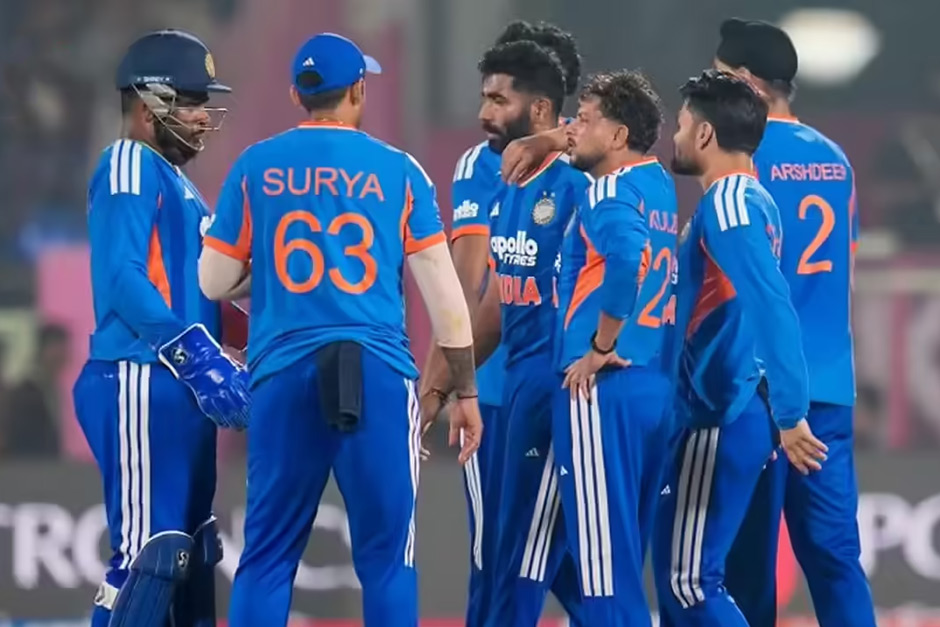
The roar of the crowd, the sea of blue, and the palpable anticipation – the T20 World Cup returning home as India stands as the defending champion creates an unparalleled narrative. With the weight of expectation from a billion-plus fans, the question isn’t just about participation, but rather, “How ready are defending champions India for a successful title defence on home soil?” As the cricketing world turns its gaze towards the subcontinent, an objective assessment of Team India’s current form, strategic readiness, and individual brilliance becomes paramount for TrendLyric.com.
The Batting Powerhouse: Pillars and Potentials
India’s batting line-up has long been considered its formidable strength, and for the upcoming T20 World Cup, it continues to be the bedrock of their title defence. At the top, the experience and explosive potential of Rohit Sharma and Virat Kohli remain undisputed. Sharma’s ability to provide brisk starts and Kohli’s anchor role, coupled with his aggressive strokeplay, offer a potent combination. Following them, KL Rahul adds another layer of class and consistency, capable of shifting gears seamlessly.
The middle order, however, has seen the most dynamic evolution. The meteoric rise of Suryakumar Yadav has provided India with a genuine 360-degree player, capable of dismantling any bowling attack. His innovative shots and fearless approach are crucial. Alongside him, the all-round prowess of Hardik Pandya cannot be overstated. His big-hitting capabilities in the death overs and his ability to contribute vital overs with the ball make him indispensable. While the core looks solid, the form of other contenders like Rishabh Pant, whose T20 batting hasn’t consistently mirrored his Test heroics, and the need for clear roles for finishers will be key considerations. Playing at home, the batsmen will be expected to leverage their intimate knowledge of conditions, which often favor strokeplay but can also offer tricky turning tracks.
Bowling Arsenal: Pace, Spin, and Precision
A successful T20 campaign, especially at home, hinges significantly on a balanced and incisive bowling attack. India’s pace battery is spearheaded by the world-class Jasprit Bumrah, whose death-over expertise and wicket-taking ability are unmatched. His return to full fitness will be a massive boost. Supporting him, the likes of Mohammed Shami bring experience and control, while younger talents such as Arshdeep Singh have shown commendable composure under pressure and the ability to swing the ball effectively. The pace unit will need to adapt to pitches that might not always offer express bounce, focusing more on variations and cutters.
The spin department, traditionally India’s strong suit on home turf, looks robust. The leg-spin wizardry of Yuzvendra Chahal remains a primary wicket-taking option in the middle overs. Complementing him, the left-arm spin of Axar Patel provides control and a handy batting option. Should Ravindra Jadeja recover from his injury, his all-round skills – economical bowling, sharp fielding, and crucial lower-order hitting – would further solidify the team’s balance. The challenge for the bowlers will be to execute plans flawlessly on diverse Indian pitches, ranging from flat decks to slow turners, ensuring that death-over bowling remains precise and economical.
Leadership, Strategy, and the Home Advantage
Captain Rohit Sharma’s leadership will be under intense scrutiny as India defends its title at home. His calm demeanor and tactical acumen have been evident in bilateral series victories, but a World Cup brings a different level of pressure. The team management, led by coach Rahul Dravid, faces the crucial task of finalizing the optimal playing XI and ensuring clear roles for each player. Bench strength is another critical factor; India boasts a strong pool of talent, ensuring that injuries or form dips can be adequately covered.
The home advantage cannot be overstated. Familiarity with pitches, ground dimensions, and crowd support offers a significant psychological edge. However, it also brings immense pressure to perform in front of an expectant nation. As former India captain and astute commentator, Sunil Gavaskar, recently remarked, “Playing at home brings its own unique pressure, but this Indian team thrives on it. Their core is strong, but the ability to adapt to varying pitch conditions across different venues will be their ultimate test.” This adaptability, both tactical and technical, will define their campaign. The team’s ability to manage expectations, absorb pressure, and execute their plans consistently across various venues will be key to converting the home advantage into a successful title defence.
In conclusion, Team India appears well-equipped for their T20 World Cup title defence. With a powerful batting line-up, a versatile bowling attack, and experienced leadership, they possess the ingredients of a champion side. While certain areas like consistent middle-order contributions and death-over bowling execution will require sharp focus, the undeniable strength lies in their core group and the immense talent pool. The pressure of playing at home will be immense, but if the defending champions can harness the fervent support and leverage their intimate knowledge of conditions, they stand a strong chance of lifting the coveted trophy once again.

