


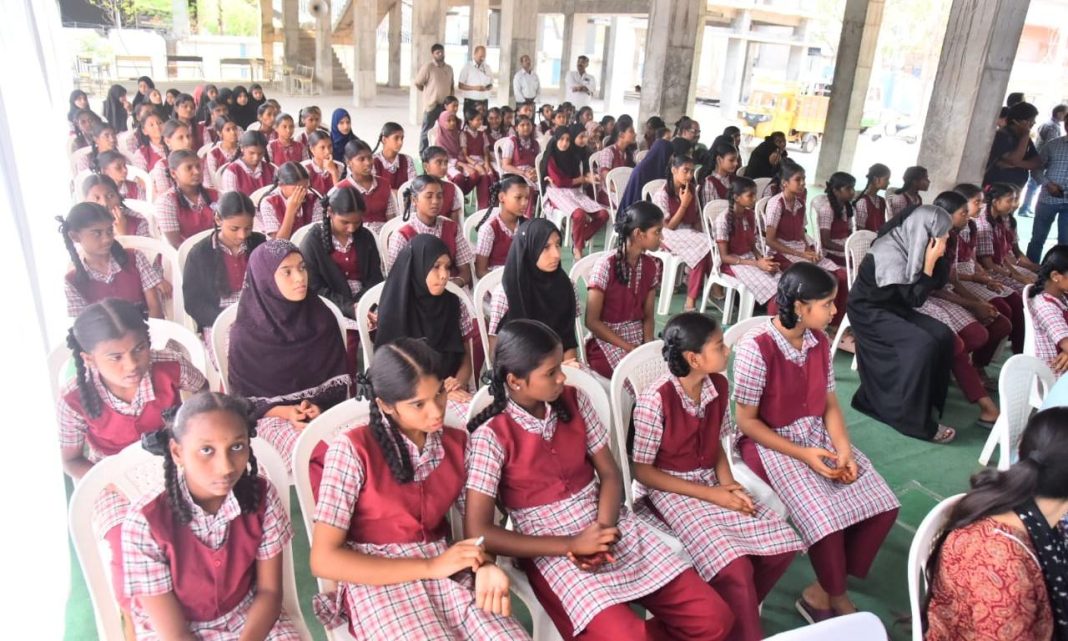
India is on the cusp of a transformative public health initiative with the nationwide rollout of the Human Papillomavirus (HPV) vaccination drive, targeting girls aged 9-14 years to prevent cervical cancer. This ambitious program, set to significantly reduce the burden of a preventable disease, has been largely welcomed. However, as the drive gains momentum, a crucial voice has emerged from the educational community: teachers are now advocating for the inclusion of girls aged 15 and above, arguing that broadening the age group is essential for achieving a truly comprehensive and impactful vaccination strategy.
The National HPV Vaccination Drive: A Progressive Step
The Indian government’s decision to launch a national HPV vaccination program marks a monumental leap in public health. Cervical cancer, primarily caused by persistent HPV infection, is the second most common cancer among women in India, claiming tens of thousands of lives annually. The indigenous vaccine, Cervavac, developed by Serum Institute of India, is a quadrivalent vaccine offering protection against four major HPV strains responsible for a majority of cervical cancer cases.
The current strategy focuses on vaccinating girls aged 9-14 years, primarily through school-based campaigns, alongside outreach at community health centres for out-of-school girls. This age group is chosen scientifically because vaccination before exposure to the virus, ideally prior to sexual debut, offers the highest efficacy. The phased rollout aims to cover millions of young girls across the country, aligning with the World Health Organization’s (WHO) global strategy to accelerate the elimination of cervical cancer by 2030.
Teachers’ Advocacy: Why Extend the Age Limit?
While applauding the government’s proactive measure, teachers, who often serve as frontline health educators and counsellors for their students, present a compelling case for extending the vaccination age beyond 14. Their perspective stems from a deep understanding of the realities on the ground, particularly in diverse socio-economic settings across India.
One primary concern is the potential for a significant number of girls to miss out if the age limit remains rigid. “Many girls, especially in rural and economically disadvantaged areas, may not be in the formal education system by the time they are 15 or 16,” explains Mrs. Sunita Sharma, a high school teacher from Rajasthan. “Some drop out due to economic pressures, early marriage, or simply lack of access to secondary education. Excluding them means we are leaving a vulnerable population unprotected from a preventable disease.”
Teachers emphasize that girls above 14 are still at risk of HPV infection and stand to benefit significantly from vaccination. While efficacy is highest before exposure, studies have shown that vaccination in older adolescents and young women still offers considerable protection, particularly against strains they may not have been exposed to. Furthermore, they highlight the challenge of reaching eligible girls who are not enrolled in schools, where a majority of the campaign is likely to be concentrated. An expanded age bracket would allow for more catch-up opportunities and ensure that a broader cohort of young women receives this life-saving intervention.
Addressing Challenges and Maximising Impact
Expanding the age limit for HPV vaccination, while beneficial, does present logistical and financial considerations. A larger target population would naturally entail increased vaccine procurement, distribution, and administration costs. Moreover, reaching older girls who are no longer in school might require more intensive community-based outreach and awareness campaigns, potentially demanding greater human resources and infrastructure beyond the existing school health programs.
However, proponents argue that the long-term benefits of a more inclusive approach far outweigh these challenges. A broader vaccination strategy would not only protect more individuals but also contribute more effectively to herd immunity, accelerating India’s progress towards cervical cancer elimination. Policymakers could explore various models, such as special vaccination camps for older adolescents at primary health centres (PHCs) or district hospitals, or integrating HPV vaccination into existing adolescent health programs.
The teachers’ call serves as a vital reminder that public health initiatives must be dynamic and responsive to ground realities. Their advocacy for including girls above 15 in the HPV vaccination drive reflects a commitment to equitable healthcare access and a vision for a healthier future for all young women in India. A holistic approach that considers these perspectives will undoubtedly strengthen the national drive and bring India closer to its goal of eliminating cervical cancer.

