


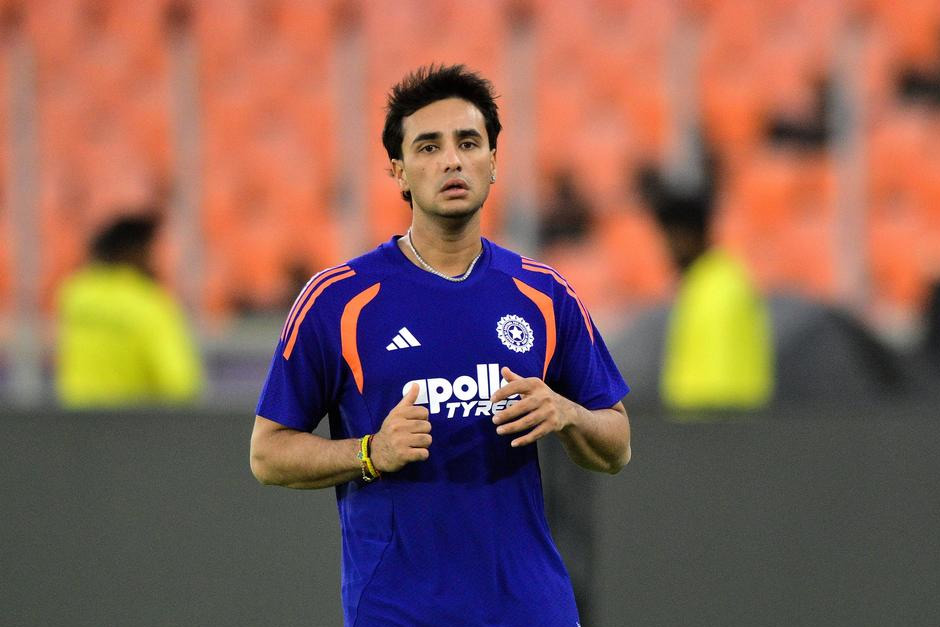
The announcement of India’s squad for the ICC Men’s T20 World Cup 2024 invariably sparks fervent discussions across the nation. Every selection is scrutinised, every omission debated. This year, amidst the expected chatter around established names and surprising inclusions, one young talent found himself at the centre of an unanticipated storm: Abhishek Sharma. Following a sensational IPL 2024 season, his absence from the 15-man squad, and even the reserves, has led to a torrent of opinions. While his performances certainly warranted consideration, it’s crucial to step back and allow the young all-rounder to chart his course without the suffocating weight of premature expectations.
The IPL 2024 Blaster: A Season to Remember
Abhishek Sharma’s journey in IPL 2024 was nothing short of spectacular. Opening the batting for Sunrisers Hyderabad (SRH) alongside Travis Head, he redefined aggressive T20 batting. His fearless approach, marked by a penchant for clearing boundaries from the first ball, propelled SRH to unprecedented powerplay scores and ultimately, the final. Sharma amassed 484 runs in 16 matches at an astonishing strike rate of 204.22, shattering perceptions and leaving a significant mark on the tournament. He showcased a maturity beyond his years, hitting 42 boundaries and 41 sixes, demonstrating both power and precision.
His partnership with Head became one of the most destructive opening pairs in IPL history, consistently setting blistering paces. Beyond his batting, Sharma also contributed with his left-arm spin, picking up a couple of crucial wickets. His all-round display made him a darling of cricket fans and pundits alike, who quickly championed his case for national colours. The clamour for his inclusion in the T20 World Cup squad grew louder with each blistering innings, making his eventual exclusion a focal point of debate.
The Nuances of National Selection: More Than Just IPL Form
While Abhishek Sharma’s IPL 2024 statistics are undeniably impressive and rightly garnered attention, the process of national team selection, especially for a global tournament like the T20 World Cup, involves a multitude of complex factors beyond sheer individual brilliance in a domestic league. The selectors, led by Ajit Agarkar, are tasked with building a balanced squad that can perform across different conditions and match situations.
India’s top order already boasts formidable talent and established names. Rohit Sharma and Virat Kohli, stalwarts of Indian cricket, occupy key roles. The team management has shown faith in Yashasvi Jaiswal as a left-handed opening option, who has already proven his mettle in international cricket. Shubman Gill, another top-order batter, was part of the reserves. The competition is intense, and simply replicating an IPL role isn’t always feasible.
Team composition often dictates choices. Do you need another pure opener, or a middle-order anchor? A bowler who can bat, or a specialist finisher? The squad typically looks for versatility, experience, and players who fit specific strategic roles. While Sharma’s batting form was exceptional, his bowling, though useful, isn’t yet considered a primary weapon at the international level. Furthermore, the selectors might prioritise players with more extensive experience in high-pressure international fixtures or those who offer more established multi-faceted skill sets for various conditions.
As one cricket pundit recently observed, “Building a World Cup squad is like assembling a complex puzzle; every piece must fit perfectly, and individual brilliance, while crucial, is just one factor among many contributing to the overall balance and strategy.” This sentiment encapsulates the challenge faced by selectors, who must consider not just current form but also compatibility, tactical flexibility, and long-term vision.
The Path Ahead: Patience and Perspective
The narrative around Abhishek Sharma’s non-selection, while stemming from genuine admiration for his talent, risks placing undue pressure on a young player. The intense scrutiny and the almost aggressive demand for his immediate inclusion, while flattering, can also be detrimental. He is only 23 years old, with a long and promising career ahead. His IPL success is a powerful stepping stone, not the final destination.
For a player like Abhishek, the focus should remain on consistent performance across all formats, refining his skills, and continuing his natural development. He has proven his ability to dominate at the highest level of franchise cricket. The next step involves translating that consistency to domestic cricket across formats and showcasing an even more rounded game that makes him indispensable for national selectors. His time will undoubtedly come if he maintains his hunger, continues to evolve, and remains grounded.
Let us celebrate Abhishek Sharma’s incredible IPL season for what it was: a testament to his immense talent and hard work. Instead of fixating on his current omission, which is a collective decision based on complex team dynamics, we should allow him the space to grow. The Indian cricket pipeline is robust, and many talented players await their turn. For now, let Abhishek Sharma continue to perform freely, hone his craft, and let his performances speak for themselves without the burden of external noise. His future is bright; we just need to leave him alone to shine on his own terms.

