


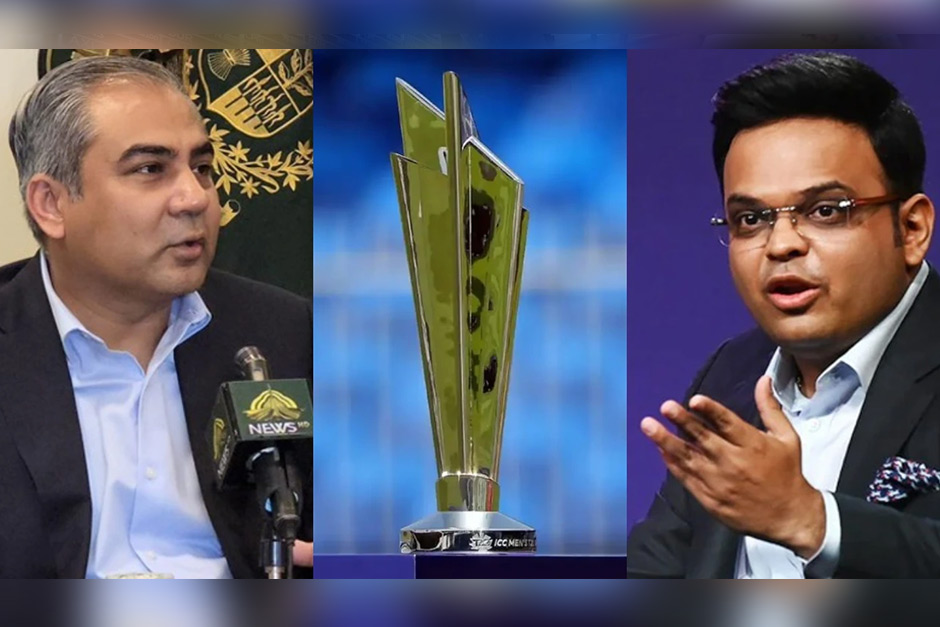
The cricketing world, particularly fans across India and Pakistan, finds itself on the cusp of a significant development concerning the ICC Men’s T20 World Cup 2026. With India set to co-host the prestigious tournament alongside Sri Lanka, questions have naturally arisen about Pakistan’s participation, given the historical complexities surrounding bilateral cricketing ties between the two nations. Recent reports suggest a noticeable shift in stance from the Pakistan Cricket Board (PCB), which has reportedly initiated a dialogue with the International Cricket Council (ICC) – a move that hints at a potential U-turn from any previous reservations about playing on Indian soil.
The Evolving Stance on Playing in India
For years, the sporting relationship between India and Pakistan has been largely governed by political currents, particularly regarding bilateral series. While both teams regularly clash in ICC global tournaments and the Asia Cup (often at neutral venues), Pakistan’s willingness to travel to India for an event hosted by its neighbour has always been a subject of intense speculation and last-minute negotiations. India, too, has maintained a stance of not travelling to Pakistan for bilateral contests, citing governmental directives.
The backdrop to this current development includes Pakistan’s participation in the ICC Men’s ODI World Cup 2023, hosted solely by India. After considerable deliberation and securing necessary governmental clearances, the Pakistan team did eventually travel and compete in India. This precedent, though achieved after much back-and-forth, demonstrated that participation in multi-nation ICC events in India is not entirely off the table, provided certain assurances are met.
The T20 World Cup 2026 presents a similar, albeit fresh, scenario. The tournament’s scale and global appeal make non-participation a significant financial and reputational blow for any cricketing nation. For the PCB, ensuring its team competes on the biggest stages is paramount for player development, fan engagement, and revenue generation. The PCB’s reported engagement with the ICC, therefore, signifies a pragmatic approach, possibly aimed at pre-empting potential hurdles and securing necessary assurances well in advance.
Dialogue with the ICC: Paving the Way for Participation
The core of this unfolding story is the dialogue between the PCB and the ICC. While specifics of these discussions remain under wraps, it is highly probable that the PCB is seeking clarity and assurances on several fronts. These likely include comprehensive security arrangements for their squad, logistical considerations for their travel and stay in India, and perhaps even guarantees from the Indian government regarding a smooth and incident-free tournament experience.
The ICC, as the global governing body, plays a crucial role in ensuring that all full member nations participate in its premier events. Its mandate involves facilitating communication between boards, addressing concerns, and upholding the integrity of its tournaments. An ICC spokesperson, speaking generally on such matters, might state: “The ICC is committed to ensuring that all member nations can participate in our global events without hindrance. We engage in continuous dialogue with all boards to address any concerns and facilitate smooth tournament operations, always prioritising the spirit of cricket and fair play.” This sentiment underscores the ICC’s responsibility to bridge potential gaps and foster cooperation.
Such early-stage discussions are beneficial for all parties. For the PCB, it allows them to outline their requirements and concerns well ahead of time. For the ICC, it provides an opportunity to work proactively with both the PCB and the Board of Control for Cricket in India (BCCI) to iron out any potential issues. This proactive engagement suggests a more constructive approach compared to previous instances where decisions were often left until the eleventh hour.
Implications for the 2026 World Cup and Beyond
Pakistan’s participation in the T20 World Cup 2026 would be a monumental boost for the tournament’s stature and financial success. An India-Pakistan clash, irrespective of the venue or format, remains one of sport’s most intense and watched rivalries. The prospect of these two cricketing giants facing off on Indian soil would electrify fans globally and significantly enhance viewership figures for broadcasters.
From an Indian perspective, hosting a tournament with full participation, especially from Pakistan, would demonstrate India’s capability to stage inclusive and grand sporting events. It would also offer Indian cricket fans the rare opportunity to witness their arch-rivals in action live. While political tensions often overshadow cricketing ties, the presence of both teams on the same field has historically created an unparalleled atmosphere.
Beyond the immediate implications for the 2026 tournament, this early dialogue could potentially signal a thawing, albeit cautious, in cricketing relations. While a return to bilateral series remains a distant dream under current circumstances, a smoother path for participation in ICC events could foster a more stable environment for global cricket. It reinforces the idea that, despite broader geopolitical challenges, the shared love for the game can, at times, find avenues for expression.
As the T20 World Cup 2026 draws closer, the cricketing community will keenly watch the progress of these discussions. The PCB’s reported initiative to engage with the ICC is a positive sign, hinting at a pragmatic approach that prioritizes cricket. While the road ahead may still involve navigating various governmental and logistical complexities, the willingness to engage in dialogue suggests a collective desire to see a full-strength, competitive tournament, much to the delight of millions of fans worldwide.

