


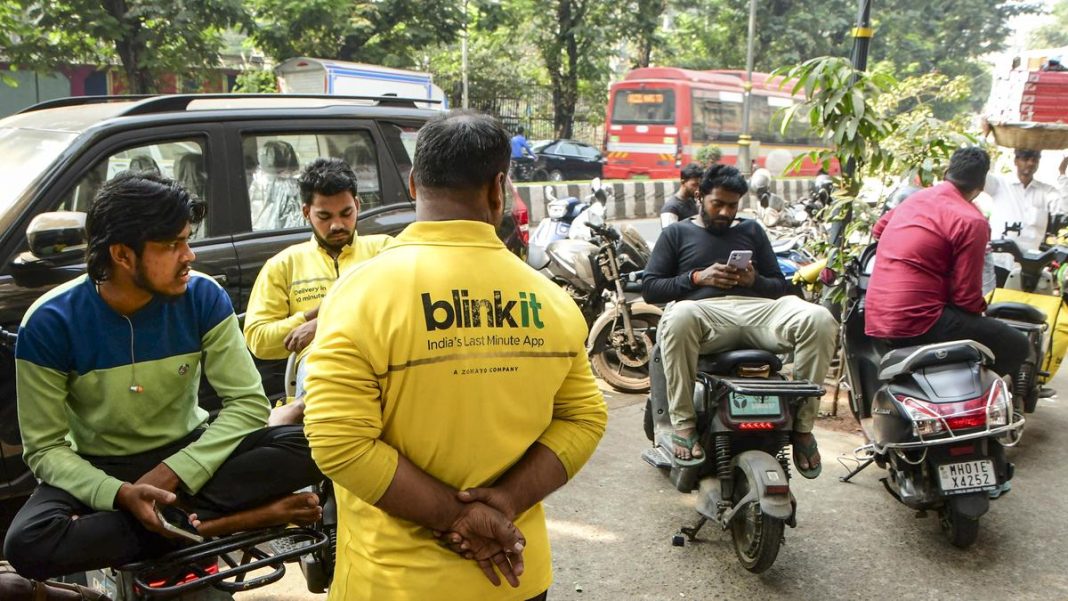
As the clock ticked towards midnight on New Year’s Eve, ushering in 2024, millions across India chose the comfort of their homes and the convenience of food delivery apps to celebrate. Major platforms like Swiggy, Zomato, and Magicpin reported an unprecedented surge in orders, marking one of their busiest nights ever. Interestingly, this colossal operational feat unfolded against the backdrop of an ongoing, albeit scattered, gig worker strike, which ultimately had a negligible impact on the night’s celebratory feast.
A Culinary Countdown: Record Deliveries on NYE
The night of December 31st transformed India’s digital food delivery landscape into a bustling hub of activity. Swiggy and Zomato, the twin giants of the sector, processed orders at a scale that dwarfed previous records. Swiggy alone reportedly achieved a peak of 9,500 orders per minute, while Zomato saw over 3 lakh orders processed by 7:30 PM, with projections for the night reaching well over 40 lakh orders nationally. This surge wasn’t confined to metropolitan areas; platforms noted significant traction in Tier-2 and Tier-3 cities as well, reflecting the deep penetration of these services.
The choice of cuisine painted a familiar, yet indulgent, picture. Biryani once again claimed its throne as the most ordered dish, followed closely by pizzas, burgers, and decadent desserts. Beyond the staples, the demand for quick bites, beverages, and party essentials also saw a substantial uptick, with platforms also delivering groceries and other last-minute items. Magicpin, known for its hyperlocal focus and strong presence in specific categories, also reported a substantial increase in orders, particularly for dine-out deals and smaller, independent restaurants, demonstrating the diverse avenues consumers explored for their celebrations.
The sheer volume underscores a significant shift in Indian consumer behaviour – the increasing reliance on digital convenience, even for high-stakes celebratory events. The seamless execution of millions of deliveries points to sophisticated technological infrastructure and robust logistical networks that are becoming increasingly adept at handling peak demand.
Navigating the Currents: Gig Worker Strike’s Limited Impact
Leading up to New Year’s Eve, various gig worker associations across different cities had called for strikes, demanding better pay, improved working conditions, and social security benefits. Concerns were raised about potential disruptions to services on one of the busiest nights for food delivery. However, the anticipated widespread impact largely failed to materialise, as platforms continued to operate with minimal discernible interruptions.
Several factors contributed to the limited impact of the strike. Firstly, the strike calls were not uniformly supported or executed across all cities, leading to a fragmented protest. While some pockets experienced minor delays, the vast majority of delivery zones saw an adequate supply of riders. Secondly, New Year’s Eve represents a prime opportunity for gig workers to earn substantially higher incentives and tips, which often outweighs the immediate appeal of a strike for many. Platforms typically roll out attractive surge bonuses and performance incentives for such high-demand nights, motivating a significant portion of their fleet to remain active.
An industry analyst, speaking on condition of anonymity, commented, “While the concerns of gig workers are legitimate and need long-term solutions, the economic realities of a high-earning night like New Year’s Eve often supersede immediate strike actions for many. Platforms also proactively managed their fleet and incentivised riders heavily, ensuring continuity of service. The underlying issues remain, but for that one night, the allure of higher earnings was a stronger pull for most.”
Moreover, the sheer size of the gig workforce in India, with millions employed across various platforms, often means that even if a segment chooses to strike, a substantial number of active riders are usually available to meet demand. This elasticity in workforce availability played a crucial role in mitigating any significant impact on consumer experience during the festive rush.
Conclusion
New Year’s Eve 2024 proved to be a resounding success for India’s food delivery aggregators, cementing their role as indispensable components of urban life. The unprecedented order surge demonstrated strong consumer confidence and the operational resilience of these platforms. While the calls for a gig worker strike did highlight persistent issues surrounding compensation and working conditions within the gig economy, their impact on the celebratory night was largely contained. This dual narrative underscores a complex reality: while consumer demand for convenience continues to soar, the fundamental challenges faced by the backbone of this industry – the gig workers – remain a critical area requiring sustained dialogue and constructive solutions beyond the festive season.

