


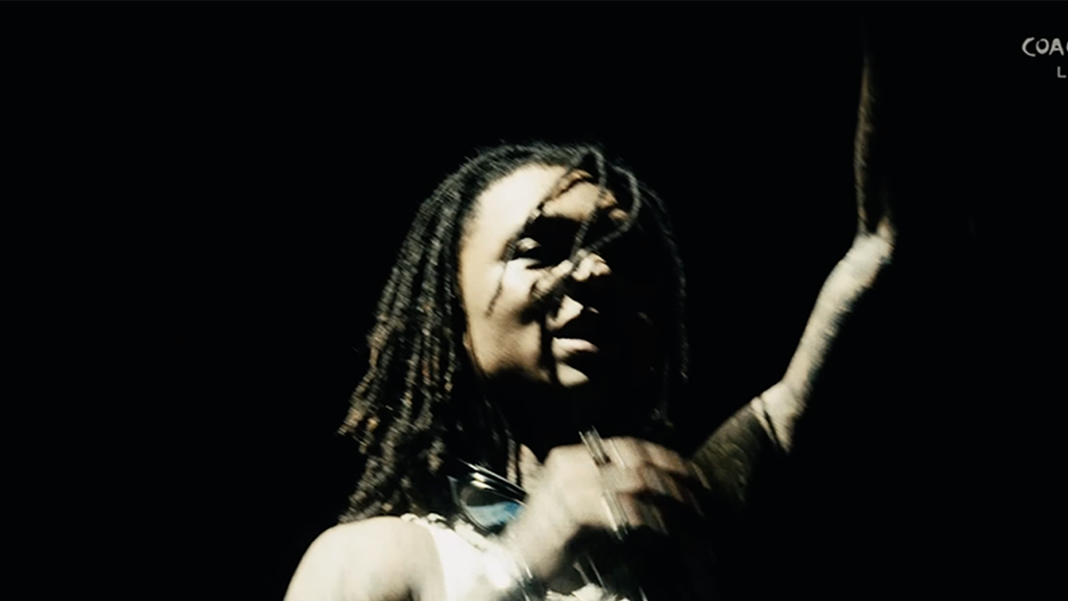
Coachella. The name itself conjures images of desert sunsets, groundbreaking performances, and moments etched into pop culture history. For artists, it’s a coveted stage; for fans, an almost spiritual pilgrimage. Swae Lee, known for his infectious melodies, undeniable charisma, and a catalog brimming with hits, was poised to deliver one such memorable set. The energy was electric, the crowd fully immersed in his unique blend of melodic rap and R&B. Yet, as the set drew to an unexpected close, a collective gasp – or perhaps, a frustrated murmur – rippled through the audience. The iconic opening notes of “Black Beatles,” arguably his most recognizable anthem, never dropped. The set was reportedly cut short, leaving fans, and likely Swae himself, with a sense of an unfinished symphony.
The Anthem That Never Was
There are certain songs that transcend mere popularity; they become cultural touchstones. For Swae Lee, and indeed for Rae Sremmurd, “Black Beatles” is unequivocally one of them. It’s more than a number-one hit; it’s a generational anthem, a soundtrack to countless moments, and a guaranteed crowd igniter. A Swae Lee set without “Black Beatles” at Coachella feels akin to a rock band skipping their greatest hit at Wembley. Fans arrived, many of them, specifically to experience that communal euphoria, to jump and sing along to those unforgettable lines under the desert sky. Its absence wasn’t just a missed song; it was a missing piece of the intended experience, a gaping hole where a celebratory climax should have been.
The anticipation for this track isn’t just a casual fan expectation; it’s a core element of his performance identity. It’s the moment where his individual artistry, refined over years, converges with a global phenomenon. To have that moment denied, particularly at a festival of Coachella’s stature, is a stark reminder of the tightrope artists walk in a live setting.
The Unseen Hands of the Festival Clock
While the disappointment is palpable, it’s crucial to acknowledge the intricate machinery that powers a behemoth like Coachella. Festival organizers operate under incredibly rigid constraints. Every stage, every artist, every minute is meticulously scheduled, often down to the second. Sound ordinances in Indio are notoriously strict, mandating hard cut-off times for music. A delay at one stage, a technical glitch, or an artist running over their allotted time can create a devastating domino effect across multiple acts and stages. “It’s a finely tuned organism,” remarks industry veteran and festival operations expert, Jayden Mills. “One missed beat, and the whole day’s rhythm can be thrown off. Nobody wants to cut an artist short, especially not a headliner or a major draw, but sometimes, the clock simply dictates the terms.”
This isn’t about blaming Swae Lee or the festival; it’s about understanding the brutal realities of large-scale event production. The desire to give fans everything, to let the artist fully express their vision, often clashes with the cold, hard logic of logistical timelines and city permits. The pressure to maintain a seamless flow for tens of thousands of attendees, while adhering to local regulations, often means tough decisions have to be made, even if they leave a crowd longing for one more anthem.
The reported cutting short of Swae Lee’s Coachella set, especially just shy of “Black Beatles,” serves as a poignant reminder of the delicate balance between artistic ambition and logistical reality. For fans, it’s a moment of collective wistfulness, a “what if” that will linger. For Swae Lee, it’s undoubtedly a frustrating experience, a testament to the unpredictable nature of live performance, even on the grandest stages. While the energy he brought was undeniable and his performance stellar, the absence of that one colossal track inevitably overshadows the memory for many. It underscores that even at the pinnacle of live music, not every symphony gets to play its final, most anticipated note, leaving us to wonder about the power of the songs that almost were.

