


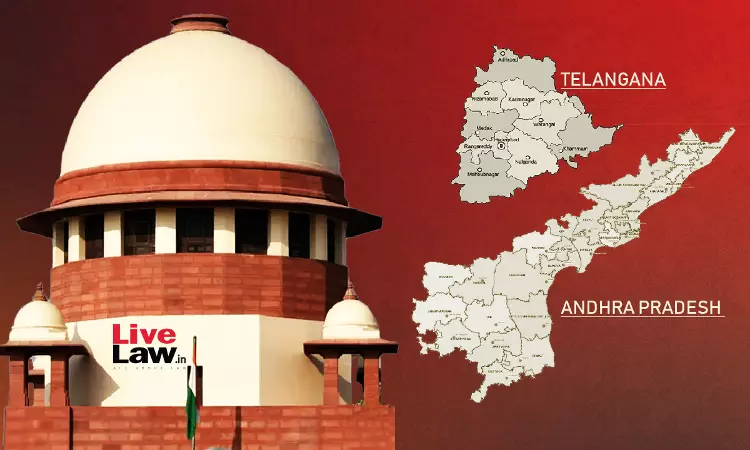
The intricate tapestry of India’s federal structure often sees states at loggerheads over crucial resources, none more vital than water. A recent development in the Supreme Court has brought the long-standing dispute surrounding the multi-purpose Polavaram Irrigation Project into sharp focus. The apex court has begun questioning the very maintainability of a writ petition filed by the Telangana government, which challenges the construction of the project by neighbouring Andhra Pradesh. This legal scrutiny adds a new layer of complexity to an already contentious inter-state issue, underscoring the delicate balance required in managing shared natural assets.
The Polavaram Project: A Contentious Lifeline
At the heart of this dispute lies the Polavaram Irrigation Project, a colossal undertaking on the Godavari River in Andhra Pradesh. Envisioned as a multi-purpose national project, it aims to provide irrigation to vast tracts of land, generate hydroelectric power, and supply drinking water to several districts, particularly in the drought-prone Rayalaseema region, through inter-basin transfer. For Andhra Pradesh, Polavaram is not merely an infrastructure project but a lifeline, crucial for its agricultural economy and overall development, especially post-bifurcation.
However, for Telangana, the project has been a source of significant apprehension. Its concerns primarily revolve around the potential submergence of villages, particularly in the Bhadrachalam and Kothagudem districts, once the project reaches its Full Reservoir Level (FRL). Telangana also argues that the project’s design and operational parameters could adversely impact downstream flow and its share of Godavari river waters, alleging a lack of comprehensive environmental impact assessments and proper consent from affected states. The contention intensified following the Andhra Pradesh Reorganisation Act, 2014, which transferred certain villages from Telangana to Andhra Pradesh to facilitate the project’s construction, further complicating the issue of jurisdiction and compensatory measures.
Supreme Court’s Scrutiny: Questioning Maintainability
The recent proceedings before a Supreme Court bench, comprising Justice Sanjiv Khanna and Justice SVN Bhatti, have shifted the legal focus from the merits of Telangana’s challenge to the fundamental question of its procedural validity. The bench raised pertinent questions about whether a writ petition under Article 32 of the Constitution is the appropriate legal recourse for an inter-state water dispute of this magnitude and technical complexity. Typically, such disputes are handled by statutory tribunals, like the Godavari Water Disputes Tribunal (GWDT), or through mechanisms outlined in the Inter-State River Water Disputes Act, 1956, which are designed to adjudicate factual and technical aspects meticulously.
“Inter-state river disputes are inherently complex, involving not just legal interpretations but also intricate hydrological, environmental, and socio-economic considerations that often require specialized tribunals,” remarked a legal expert on condition of anonymity, highlighting the rationale behind the Supreme Court’s current line of questioning.
Justice Khanna reportedly observed that complex factual issues, often requiring expert technical analysis, might not be best addressed through the summary proceedings of a writ petition. The court hinted that referring the matter to an independent expert body or a dedicated tribunal might be a more suitable approach to assess the hydrological, environmental, and engineering implications comprehensively. This judicial introspection underscores a broader legal principle: ensuring that disputes are heard by the most competent forum, equipped to delve into intricate details and provide well-reasoned solutions. The Union Government, also a party to the proceedings, is expected to present its stance on the project’s status and the jurisdictional concerns raised by the apex court.
The Path Forward for Inter-State Water Disputes
The Supreme Court’s examination of the maintainability of Telangana’s petition has significant implications not just for the Polavaram project but for the broader framework of inter-state water dispute resolution in India. While the apex court retains its constitutional prerogative to intervene in matters of fundamental rights, its cautionary approach here signals a deference to established statutory mechanisms designed for complex technical disputes. The court’s deliberations are crucial in reinforcing the principle that specific legal avenues exist for specific types of conflicts, ensuring that justice is not only served but also administered through the most appropriate channels.
As the legal battle continues, all eyes will be on the Supreme Court’s final decision on maintainability. Should the court deem the writ petition non-maintainable, Telangana might be directed to pursue its grievances through a water disputes tribunal, potentially leading to a fresh and lengthy adjudication process. Conversely, if the court decides to proceed, it would set a precedent for direct intervention in such complex inter-state disputes. Regardless of the outcome, the case highlights the persistent challenges in balancing state development ambitions with the equitable distribution and environmental impact of shared water resources. Clear judicial guidance is paramount to fostering cooperative federalism and ensuring sustainable development across states.

