


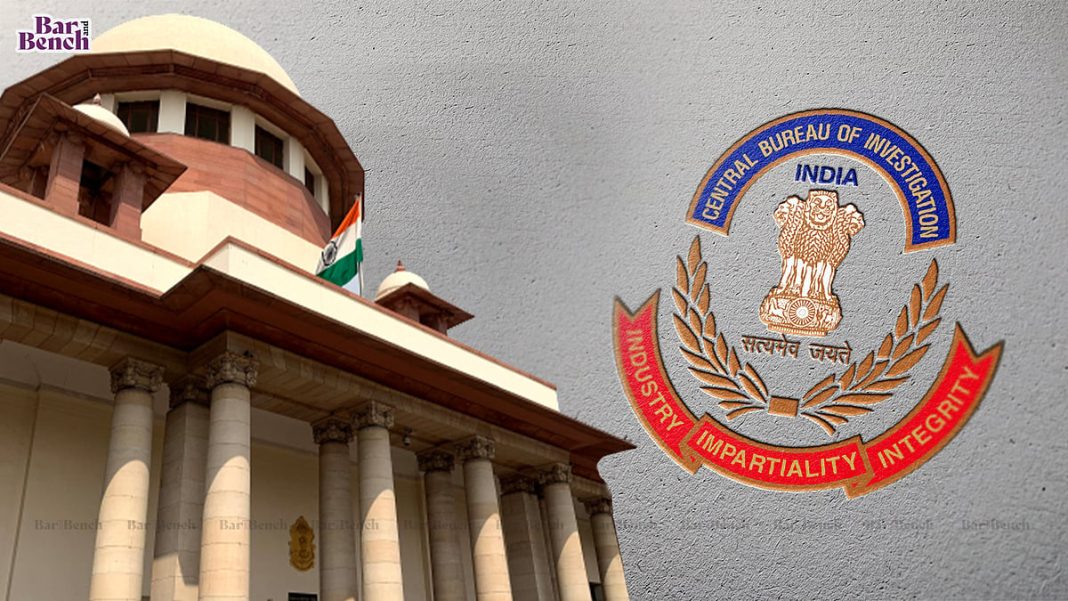
In a significant move to combat the burgeoning threat of cyber fraud, the Supreme Court of India has ordered the Central Bureau of Investigation (CBI) to take over all investigations related to “digital arrest” scams across the country. This directive comes amidst a surge in sophisticated online frauds where imposters, often posing as law enforcement or government officials, manipulate victims into transferring large sums of money under duress, simulating a virtual detention.
The apex court’s decision underscores the grave concern over the widespread nature and severe impact of these scams, which have collectively defrauded countless individuals of their life savings. The CBI’s intervention is expected to bring a unified and robust approach to tackling a crime that often transcends state boundaries and involves intricate networks of perpetrators.
The Anatomy of a Digital Arrest Scam
The “digital arrest” scam operates on a chillingly effective psychological manipulation tactic. Victims typically receive unsolicited calls or messages from individuals impersonating officials from agencies like the CBI, Enforcement Directorate (ED), local police, Customs, or even the Reserve Bank of India (RBI). These callers often use spoofed numbers to appear legitimate.
The imposters claim that the victim’s identity or bank account has been linked to serious criminal activities such as drug trafficking, money laundering, or terrorism. They then threaten the victim with immediate arrest, asset seizure, or severe legal repercussions if they do not comply with their instructions. The core of the “digital arrest” lies in forcing the victim to stay on a continuous video or audio call, often for hours or even days, isolating them from family and friends. During this period, the scammers coerce the victim into transferring funds to various accounts, ostensibly for “verification,” “bail,” or “de-linking” their name from the purported case. The fear-mongering is intense, with fraudsters often displaying fake identity cards or official-looking documents to add credibility to their claims.
“These scams exploit human fear and trust, often targeting vulnerable individuals who are easily intimidated by the prospect of legal trouble,” says Dr. Rohan Gupta, a prominent cyberlaw expert. “The Supreme Court’s intervention is not just about bringing perpetrators to justice, but also about sending a strong message that such sophisticated cybercrimes will be met with an equally sophisticated, coordinated response.”
Supreme Court’s Mandate and the Path Forward
The Supreme Court bench, comprising Justices Sanjiv Khanna and Dipankar Datta, acknowledged the inherent difficulties state police forces face in investigating these pan-India and often international frauds. The court noted that these crimes frequently involve masterminds operating from different jurisdictions, making coordinated action challenging for individual state police units. The CBI, with its national jurisdiction and expertise in handling complex, organized crime, is deemed better equipped to dismantle these extensive networks.
The directive emphasizes the need for a centralized approach to identify, apprehend, and prosecute the individuals behind these highly organized rackets. The CBI’s investigation will delve into the technical infrastructure used by scammers, including VoIP services, spoofing applications, mule accounts, and payment gateways, to trace the money trails and identify the ultimate beneficiaries.
Beyond investigation, this Supreme Court order also highlights the critical need for enhanced public awareness. Citizens are urged to remember that no government agency or bank will ever demand money for verification, threaten immediate arrest over the phone, or ask for sensitive personal or financial information via unsolicited calls or messages. Verification should always be done through official channels and known contact numbers.
Safeguarding India’s Digital Future
The rise of digital arrest scams is a stark reminder of the evolving landscape of cybercrime in India, paralleling the nation’s rapid digital adoption. While technological advancements bring convenience, they also introduce new vulnerabilities that criminals are quick to exploit. The Supreme Court’s decisive action is a pivotal step towards building a more secure digital environment for Indian citizens.
The CBI probe is expected to not only lead to arrests but also to shed light on the broader ecosystem supporting these scams, potentially prompting policy changes and stronger regulatory frameworks. As the investigation progresses, it is hoped that lessons learned will fortify India’s defenses against future cyber threats, ensuring that the promise of a digital India is not undermined by the shadows of cyber fraud. Public vigilance, coupled with robust law enforcement, remains the most potent weapon against these pervasive and damaging scams.

