


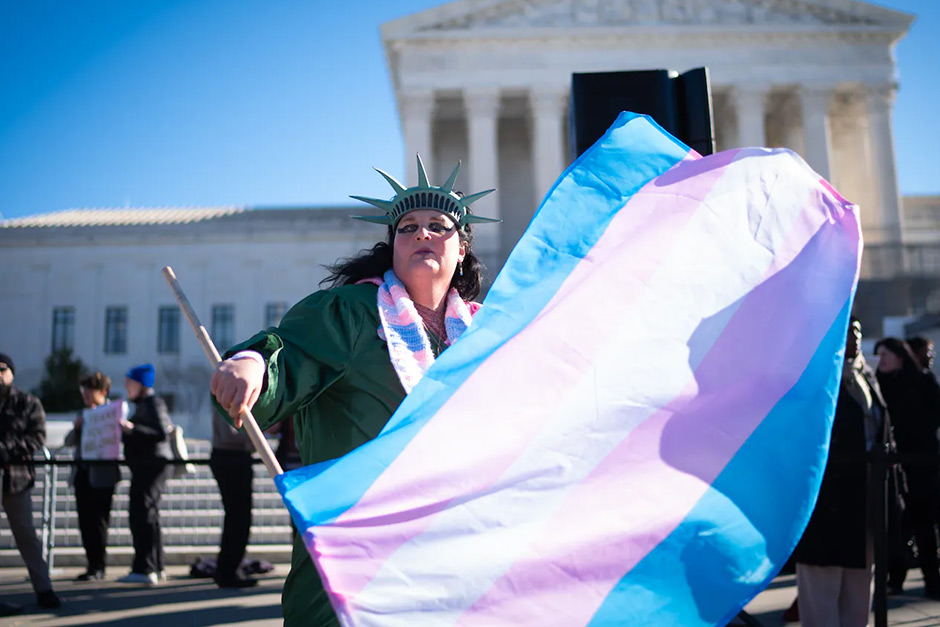
The intersection of sports, gender identity, and legal rights has become one of the most contentious issues of our time, and the nation’s highest court is now engaging with its complexities. Recent developments suggest that the Supreme Court appears to be approaching challenges to state-level transgender athlete bans with a significant degree of skepticism. This cautious posture from the justices signals a deep dive into the nuanced arguments surrounding fairness, inclusion, and the future of women’s sports.
Examining the Court’s Deliberative Questions
During recent proceedings, the Supreme Court justices posed pointed questions to legal teams challenging the bans, often probing the specific legal grounds for their arguments. The skepticism seemed to manifest in inquiries that explored the practical implications of striking down such bans, particularly for cisgender female athletes. Justices appeared to be grappling with how existing legal precedents, especially Title IX, apply to situations where biological differences in sports performance are a central consideration.
The Court’s focus on the mechanics of competitive balance and the definition of categories within sports underscores the judiciary’s careful dance around an issue with profound societal implications. Questions frequently veered into the realm of how a federal mandate might impact state authority to regulate high school and collegiate sports, suggesting a potential preference for allowing states more latitude in this contentious area.
The Competing Principles of Fairness and Inclusion
At the heart of these legal battles are two deeply held, often conflicting, principles: the right to inclusion for transgender individuals and the desire to ensure fair and equitable competition for cisgender women in sports. Challengers to the bans argue that excluding transgender athletes amounts to discrimination, violating civil rights and the spirit of anti-discrimination laws. They emphasize that sports should be accessible to all, irrespective of gender identity, fostering participation and well-being.
Conversely, proponents of the bans often cite biological differences, particularly between cisgender males and females, as crucial for maintaining fair competition in women’s sports. They argue that without these distinctions, the integrity and opportunities for cisgender female athletes could be undermined. This perspective emphasizes that women’s sports were created precisely to provide a protected space for female athletes, and that allowing transgender women to compete in these categories erodes that protection.
The complexity is immense. As one observer with deep familiarity with civil rights law noted, “The Court is navigating a minefield where every interpretation has significant implications for athletes on both sides. It’s not just about legal text; it’s about deeply held societal values and the very definition of fairness in competition.” The justices’ questioning reflects this tension, signaling that they are keenly aware of the multifaceted impacts of their eventual decisions.
A Path Forward: Legal Nuance and Societal Impact
The Supreme Court’s apparent skepticism is not a definitive ruling, but it does offer insight into the current legal climate surrounding transgender athlete bans. It suggests that while the Court recognizes the importance of the issue, it may be hesitant to broadly overturn state legislative efforts without compelling and narrowly tailored legal arguments. This could mean a future where the legality of such bans might hinge on specific details of state laws, the age of the athletes, or the level of competition.
Ultimately, the Supreme Court’s engagement with these challenges highlights the profound societal questions that remain unresolved. How does a society balance the rights and aspirations of all its members when those aspirations appear to collide? The ongoing deliberations at the highest judicial level remind us that the conversation surrounding gender, sport, and equality is far from over, and its outcome will shape the landscape for generations of athletes to come.

