


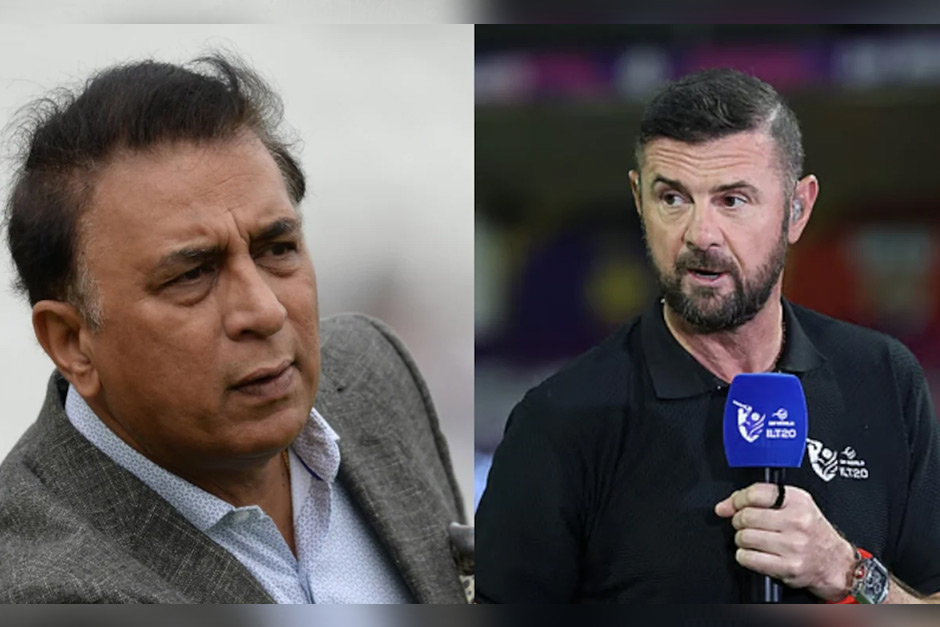
In the dynamic world of cricket, where every statement is dissected and every performance scrutinised, a recent exchange between former international cricketers Simon Doull and Sunil Gavaskar has captivated fans and experts alike. Doull’s assertion regarding India’s ability to field two competitive teams at the upcoming T20 World Cup, met with Gavaskar’s characteristic witty retort, quickly went viral across social media platforms, sparking widespread discussion about India’s cricketing depth and its tournament aspirations.
Simon Doull’s Bold Claim: India’s Unparalleled Depth
New Zealand’s former pace bowler and now prominent commentator, Simon Doull, has consistently been vocal about the immense talent pool India possesses. His recent claim, made during a live broadcast, reiterated a sentiment he and many others share: that India’s cricketing ecosystem is so robust it could theoretically assemble two distinct squads, both capable of challenging for a T20 World Cup title. This assertion isn’t without merit. The Indian Premier League (IPL), the world’s premier T20 tournament, serves as a relentless talent factory, unearthing new stars and providing a platform for seasoned performers. The sheer breadth of options available to the national selectors across batting, bowling, and all-round departments is often cited as unprecedented in international cricket.
Doull’s remarks stemmed from observing the impressive performances of both established stars and emerging youngsters in domestic cricket and the IPL. From explosive openers to versatile middle-order batsmen, and from crafty spinners to express pacers, India seemingly has an endless supply of match-winners. This depth is not just limited to a handful of players but extends deep into the reserves, giving the national team a significant advantage in terms of rotation, injury cover, and tactical flexibility. It’s a testament to the structured grassroots development and the competitive environment fostered by the BCCI that such a statement, though bold, doesn’t sound entirely far-fetched to many cricket enthusiasts.
Gavaskar’s Cheeky Reply That Struck a Chord
While Simon Doull’s praise highlighted India’s strength, it was the legendary Sunil Gavaskar’s response that truly resonated with the Indian cricketing fraternity. Known for his sharp wit and candid observations, the ‘Little Master’ offered a reply that was both humorous and pointed, injecting a dose of reality into the conversation that swiftly went viral. When presented with Doull’s scenario of two Indian teams, Gavaskar, without missing a beat, quipped,
“Can that second team beat New Zealand?”
This seemingly innocuous question carried a significant undertone, alluding to India’s recent struggles against New Zealand in critical ICC tournament knockout matches. The memories of the 2019 World Cup semi-final and the 2021 World Test Championship final, both against the Kiwis, where India faltered, are still fresh in the minds of Indian fans. Gavaskar’s response, therefore, was a masterclass in understated humour, acknowledging India’s immense talent while simultaneously highlighting an area where the team has historically struggled to convert potential into ultimate glory. It was a light-hearted jab that implicitly underscored the difference between bilateral series dominance and ICC event triumph, particularly against a specific opponent.
The Deeper Meaning: Talent vs. Tournament Prowess
The exchange between Doull and Gavaskar, while entertaining, also brought to the fore a perennial debate within Indian cricket: the challenge of translating unparalleled talent and bilateral series success into multi-nation tournament victories. India’s cricketing prowess is undeniable; they are an economic powerhouse in the sport, boasting the largest fan base and a formidable record in bilateral encounters across formats. However, the last decade has seen the Men in Blue fall short in several ICC tournament knockout stages, often at the hands of teams like New Zealand or Australia.
Gavaskar’s cheeky remark thus serves as a timely reminder that while India indeed possesses an enviable depth of talent, the ultimate goal remains the coveted ICC trophy. It suggests that merely having multiple strong teams isn’t enough; the challenge lies in assembling the right combination, executing under pressure, and overcoming specific mental or strategic hurdles that have historically plagued the team in critical matches. The viral nature of this conversation indicates that Indian fans, while proud of their team’s strength, are also acutely aware of these past disappointments and share Gavaskar’s underlying sentiment for greater glory on the global stage.
The delightful banter between Simon Doull and Sunil Gavaskar not only provided a moment of levity but also sparked an important conversation. It’s a testament to India’s burgeoning cricketing talent that such a discussion is even possible, yet it also subtly nudges towards the ultimate aspiration: to translate that immense potential into consistent tournament success. As the T20 World Cup approaches, all eyes will be on how India leverages its formidable depth to overcome historical challenges and finally lift the trophy.

