


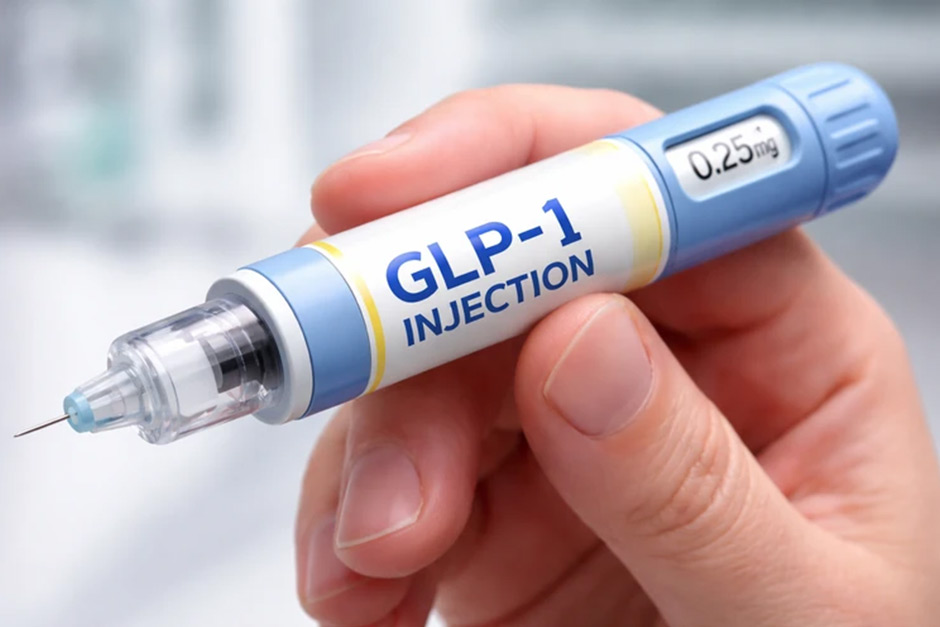
GLP-1 receptor agonists have undeniably revolutionized the landscape of weight management, offering a potent new avenue for individuals struggling with obesity and weight-related health issues. For many, these medications have been life-changing, leading to significant weight loss and improved metabolic health. However, as with any powerful medical intervention, a deeper understanding of its long-term effects is crucial. Recent studies are shedding light on a critical aspect: what happens when people stop taking these drugs?
The Honeymoon Period and the Rebound Reality
The initial success stories surrounding GLP-1 drugs like Ozempic, Wegovy, and Mounjaro are compelling. Users often report reduced appetite, increased satiety, and a substantial drop in weight, often accompanied by better blood sugar control and other health benefits. It’s easy to see why these medications have been hailed as a breakthrough. Yet, the question of sustainability has always loomed. What happens when the active ingredient is no longer present?
Research now suggests a clear pattern: for many individuals, the weight often returns once GLP-1 drugs are discontinued. Typically, this rebound occurs within 18 months, with some studies indicating that participants regain the majority of the weight they lost. This isn’t a failure of willpower, but rather a complex physiological response. When the medication is stopped, the body’s natural hunger signals, which were suppressed, can return with a vengeance. Metabolic adaptations that occurred during weight loss, such as a lowered resting energy expenditure, can also contribute to easier weight regain. Essentially, the body is programmed to defend its “set point” weight, and without the continuous intervention of GLP-1s, it tends to revert to its previous state.
“It’s like your body remembers its old set point and tries to claw its way back,” explains Dr. Anya Sharma, a bariatric specialist. “Maintaining weight loss, with or without medication, always requires ongoing effort and understanding of our physiology.” This perspective underscores that the drugs address a symptom, but the underlying biological drivers of weight gain are still at play once the treatment ceases.
Beyond the Prescription: What’s the Path Forward?
This finding isn’t meant to diminish the profound impact of GLP-1 drugs, but rather to foster a more realistic and comprehensive approach to weight management. It prompts an important conversation: are GLP-1 medications a lifelong commitment for those who benefit from them? For many, the answer may be yes, much like managing other chronic conditions such as high blood pressure or diabetes with ongoing medication.
However, the prospect of indefinite medication raises significant questions about cost, accessibility, and potential long-term side effects. It also highlights the critical importance of integrating GLP-1 therapy with robust lifestyle interventions. While the drugs significantly aid in reducing hunger and promoting satiety, they don’t replace the need for healthy eating habits, regular physical activity, and behavioral support. Developing sustainable patterns of nutrition and exercise during and after medication use could be key to mitigating weight regain. Furthermore, ongoing research is exploring combination therapies and new drug mechanisms that might offer more durable results or even “reset” the body’s set point more permanently.
This situation also puts a spotlight on healthcare systems to support individuals in navigating this complex journey. It suggests that treatment plans shouldn’t just focus on the duration of the prescription but on long-term weight maintenance strategies, potentially including tapered drug withdrawal plans, increased behavioral support, and personalized follow-up care.
A Nuanced Understanding for Sustainable Health
The revelation that weight often returns after stopping GLP-1 drugs is not a setback, but a crucial piece of information that refines our understanding of obesity as a chronic, relapsing disease. It underscores that these medications are powerful tools, but they are not a one-time cure. For individuals considering or currently using GLP-1 drugs, it emphasizes the importance of open dialogue with healthcare providers about realistic expectations, long-term strategies, and the integration of lifestyle changes. The goal remains sustainable health and well-being, and achieving that requires a holistic, ongoing approach that acknowledges both the biological realities and the efficacy of modern medicine.

