


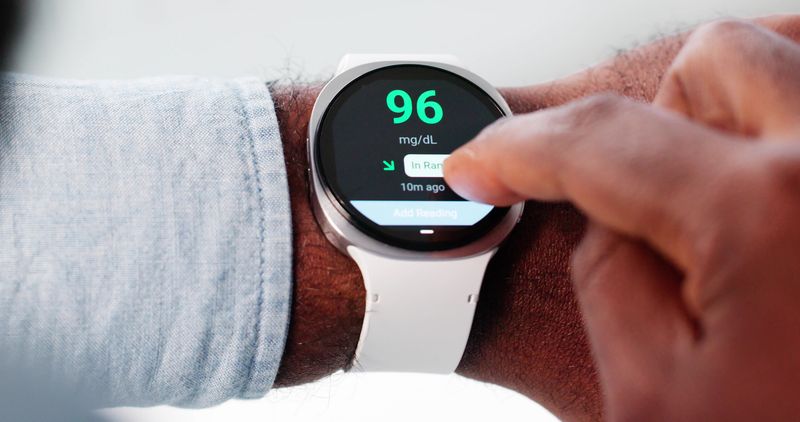
India, often referred to as the diabetes capital of the world, faces a growing public health challenge. With millions living with the condition and many more undiagnosed, the need for proactive and accessible detection methods has never been more critical. What if the solution wasn’t a trip to the lab, but rather a device already strapped to your wrist? A recent study has unveiled a promising framework that could enable smartwatches to detect early signs of diabetes, offering a glimmer of hope in the fight against this silent epidemic.
The Smartwatch Revolution Meets India’s Diabetes Challenge
The ubiquity of smartwatches in India is undeniable. From tracking daily steps to monitoring heart rate, these devices have become an integral part of many individuals’ wellness routines. Meanwhile, the statistics surrounding diabetes in India paint a stark picture: estimates suggest over 77 million adults are currently living with diabetes, with projections indicating a significant rise in the coming decades. A major hurdle in managing this disease effectively is late diagnosis, often occurring only after complications have begun to manifest.
This is precisely where the new research steps in. Instead of viewing smartwatches merely as fitness trackers, the study proposes leveraging their continuous, non-invasive data collection capabilities to identify subtle physiological changes that may precede a formal diabetes diagnosis. Imagine a world where your daily activity, sleep patterns, heart rate variability (HRV), and even minute skin temperature fluctuations could collectively signal an impending health concern, allowing for timely intervention.
Unpacking the Framework: How Smartwatches Could Provide Early Warnings
The study’s framework moves beyond simple parameter tracking to sophisticated data analysis. It suggests that by continuously monitoring various biometric data points – such as resting heart rate, sleep quality, activity levels, and particularly heart rate variability – smartwatches could detect patterns indicative of metabolic changes associated with prediabetes or early-stage type 2 diabetes. For instance, consistent changes in sleep architecture or reduced HRV might signal underlying systemic stress or inflammation, both of which can be precursors to metabolic dysfunction.
The framework proposes using advanced machine learning algorithms to analyze these diverse data streams. These algorithms are designed to identify deviations from an individual’s baseline, recognizing subtle shifts that might be imperceptible to the human eye but significant enough to warrant attention. It’s not about diagnosing diabetes outright but about flagging individuals who might be at increased risk, prompting them to seek medical consultation and confirmatory diagnostic tests earlier than they otherwise would.
“This framework represents a paradigm shift,” explains Dr. Priya Sharma, a diabetologist and public health researcher at AIIMS, Delhi. “Instead of waiting for symptoms to appear, which often means the disease has progressed, we could potentially empower individuals with early warning signs, giving them the crucial window to adopt lifestyle changes or seek medical advice. It transforms smartwatches from mere gadgets into proactive health sentinels.”
Implications for India: A Proactive Healthcare Future?
For a country like India, where healthcare access can be uneven and awareness about prediabetes is often low, such a framework holds immense potential. It could democratize early detection, reaching populations in remote areas or those who might otherwise delay regular check-ups due to cost or inconvenience. By integrating this technology, individuals could become more engaged participants in their own health monitoring, potentially reducing the burden on an already stretched healthcare system.
However, the implementation of such a framework isn’t without its challenges. Ensuring data privacy and security, establishing robust regulatory guidelines for health-related smartwatch features, and validating the framework’s accuracy across India’s incredibly diverse genetic and lifestyle landscape will be crucial. Furthermore, digital literacy and access to smart devices remain factors that need addressing to ensure equitable benefit. Despite these hurdles, the research lays a vital groundwork for a future where personal tech plays a pivotal role in preventive healthcare, turning passive monitoring into active early detection.
The prospect of smartwatches acting as an early warning system for diabetes is a compelling vision. While the framework still requires extensive clinical validation, particularly in diverse populations like India, it represents a significant step towards a more proactive, personalized, and accessible approach to managing one of the nation’s most pressing health crises. It underscores the exciting potential of technology to transform healthcare, bringing the power of preventive medicine directly to our wrists.
*

