


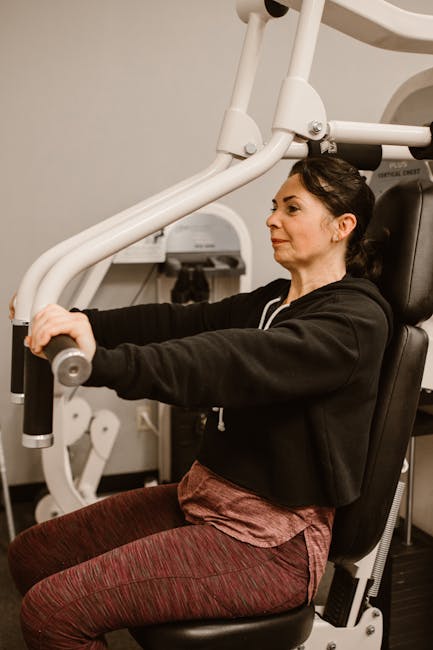
Menopause. It’s a word that whispers of transition, a natural shift in a woman’s life that often brings with it a cascade of changes. Hot flashes, mood swings, restless nights – we know the usual suspects. But beneath the surface, there’s another, often overlooked, transformation happening: our bodies are beginning to shed muscle and bone density at a faster rate. It might sound daunting, but here’s the powerful truth: this isn’t an inevitable decline. Instead, it’s an invitation to embrace one of the most transformative practices for women over 50: strength training.
Reclaiming Your Power: Why Strength Training is Non-Negotiable
Think of your muscles as your body’s personal power plant. After menopause, declining estrogen levels signal a slowdown in this plant’s efficiency. We begin to lose muscle mass, a process called sarcopenia, which slows our metabolism and makes everyday tasks feel harder. But here’s where strength training steps in as your secret weapon.
For one, it’s a powerful defense against osteoporosis. As estrogen declines, bone density often follows suit, increasing the risk of fractures.
Strength training acts as a direct stimulus to your bones, encouraging them to rebuild and become denser. Every lift, every push, every pull sends a message to your skeleton: “Get stronger!”
Beyond bones and muscle, strength training reignites your metabolism, helping manage weight fluctuations that often accompany hormonal shifts. It also has profound effects on mood and mental clarity. “I used to feel so sluggish and frankly, a bit invisible after menopause hit,” shares one woman we spoke with, “but starting to lift weights made me feel strong and alive again, like I got a piece of myself back. It wasn’t just physical; it was a huge boost to my confidence and overall outlook.” It’s true; the endorphin rush and sense of accomplishment are incredibly potent.
Smart Strategies for Building Strength and Confidence
Ready to pick up some weights? Fantastic! Here’s how to ensure you’re getting the most out of your efforts.
Start Smart and Prioritize Form
You don’t need to begin by lifting heavy. Bodyweight exercises like squats, lunges, and push-ups against a wall are excellent starting points. When you introduce weights, begin with a light load and focus intently on proper form. Poor form can lead to injury and negate your efforts. If possible, consider a few sessions with a certified personal trainer to learn the basics and build a safe, effective routine tailored to your body.
Embrace Progressive Overload and Consistency
The magic happens when you consistently challenge your muscles. This is called progressive overload – gradually increasing the weight, repetitions, or sets over time. If you can comfortably do 12 reps, it’s time to increase the challenge slightly. Aim for 2-3 strength training sessions per week, allowing a day of rest between sessions for muscle repair and growth. Consistency, not intensity every single day, is the true key to lasting results.
Fuel Your Body and Prioritize Recovery
Your muscles need building blocks, and chief among them is protein. Ensure your diet includes adequate protein (lean meats, fish, eggs, dairy, legumes, protein supplements if needed) to support muscle repair and growth. Hydration is also crucial. And remember, muscles don’t grow during the workout; they grow during recovery. Prioritize sleep and active rest days to allow your body to rebuild and adapt.
Strength training after menopause isn’t just about preserving what you have; it’s about building a stronger, more resilient, and vibrant future. It’s about empowering yourself to embrace this next chapter with energy, confidence, and a body that feels truly capable. You deserve to feel strong, to move with ease, and to live life to its fullest – and strength training is your powerful ally in making that happen.

