


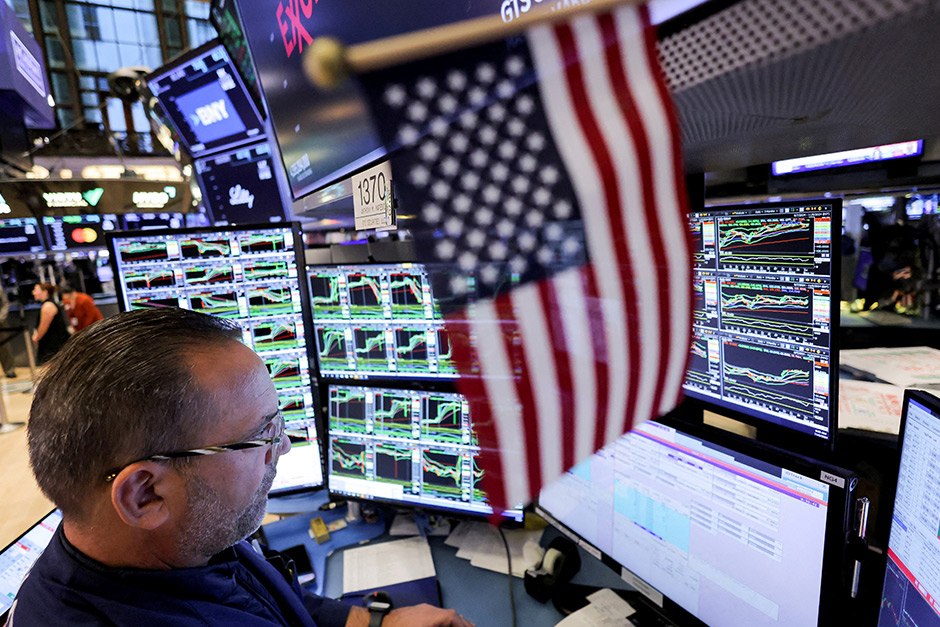
The global markets are a fascinating beast, often reacting with a swift, almost primal instinct to the intricate dance of geopolitics. Recently, as news trickled out that the Trump administration had extended a crucial deadline regarding the Iran nuclear deal, stocks across the board responded with an unmistakable climb. It was a reaction that spoke volumes, not just about the immediate perceived risk, but about the deeper, often contradictory impulses that drive investor confidence.
A Collective Sigh of Relief, For Now
When the announcement hit, it was as if a collective breath was released from trading floors worldwide. The prospect of an immediate escalation of tensions with Iran – whether through renewed snap sanctions or more aggressive posturing – had been a persistent shadow hanging over the energy markets and broader economic outlook. An extension, even one wrapped in tough rhetoric, inherently buys time. It’s a deferral of potential crisis, a moment to reset and re-evaluate rather than react to an immediate, hard deadline.
For investors, time often translates to opportunity or, at the very least, a temporary reprieve from uncertainty. Sectors heavily reliant on stable global supply chains, energy prices, and geopolitical calm saw a particular boost. It wasn’t necessarily an endorsement of the policy itself, but rather a relief that the immediate future wouldn’t be plunged into another layer of unpredictable conflict. “It feels like we’ve just kicked the can down the road, but hey, at least it’s not rolling directly towards us right now,” remarked one veteran market analyst, capturing the nervous optimism that permeated the air.
The Nuance of Diplomatic Delay
But beneath the immediate upward tick of stock prices lies a more complex reality. This extension isn’t a resolution; it’s a strategic pause in an ongoing, high-stakes game. The market’s positive reaction underscores how deeply it values any glimmer of de-escalation, even if temporary. It suggests that the perceived cost of immediate confrontation, or even the heightened risk of it, was weighing heavily on investor sentiment.
What this move truly signals is a desire, perhaps, to keep diplomatic channels from completely seizing up, or at least to manage the timing of potential pressure points. For businesses, predictability is gold. An extended deadline, even under a cloud of future uncertainty, provides a small window for planning and adaptation that a sudden, hard cutoff would not. It’s a delicate tightrope walk, where the political calculus meets economic realities, and the market tries to discern intent from rhetoric.
Navigating Persistent Geopolitical Currents
While the market has celebrated this particular extension, it’s crucial to remember that the underlying geopolitical currents remain strong. The broader challenges surrounding Iran’s nuclear ambitions, regional stability, and international agreements haven’t magically dissipated. What we’ve witnessed is the market’s extraordinary sensitivity to shifts in perceived risk, particularly when those risks carry the potential for widespread disruption.
The rally signals that investors interpret the delay as a sign that the administration is not eager for an immediate, full-blown crisis, or at least prefers to manage the timing on its own terms. This offers a fleeting sense of stability in a world often characterized by rapid, unexpected turns. However, it also highlights how fragile that stability can be, poised on the decisions made in diplomatic backrooms and the deadlines that loom on the horizon. For now, the market breathes a bit easier, but with an awareness that the calm might just be the lull before the next strategic maneuver.
The interplay between global politics and financial markets is never simple. While the immediate reaction was positive, the coming months will reveal whether this extension was a genuine step toward de-escalation or merely a strategic pause in a protracted negotiation. Investors will undoubtedly remain vigilant, ready to react to the next chapter in this ongoing saga.

