


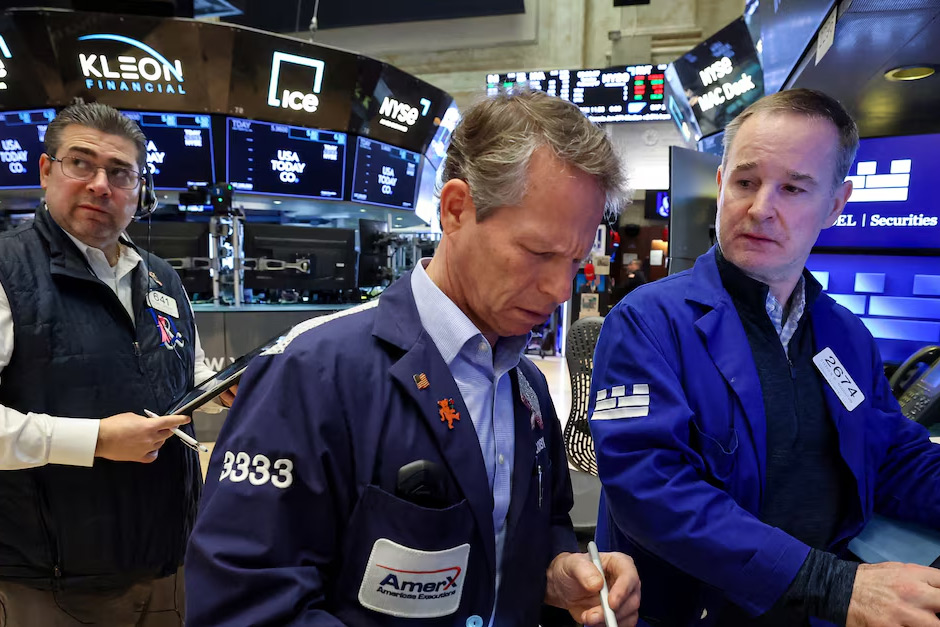
The quiet hum of the pre-market trading was abruptly pierced by a wave of red, sending stock futures dipping significantly. This wasn’t just a minor correction; it was a clear signal of growing investor unease, a sentiment directly tied to the recent news of fresh tariff proposals from former President Donald Trump. As the market gears up for another week, a palpable tension hangs in the air, with traders and analysts alike scrutinizing every development for clues on what lies ahead for global trade and corporate profitability.
The immediate reaction from the futures market reflects a deep-seated apprehension. Investors dread uncertainty, and tariffs, by their very nature, introduce a hefty dose of it. This isn’t merely political posturing in the eyes of the market; it’s a potential shift in the economic landscape that could reshape supply chains, impact consumer prices, and directly affect the bottom lines of countless companies.
The Jitters on Wall Street: Why Futures Flinch
Stock futures serve as an early barometer of market sentiment, and their current downward trajectory is a stark indicator that investors are bracing for potential turbulence. The proposed tariffs, while details are still emerging, are broad enough in their implications to send shivers through various sectors. Companies heavily reliant on international trade – from technology giants sourcing components globally to retailers importing consumer goods – immediately face the prospect of increased costs.
This isn’t just about direct import taxes. The specter of retaliatory tariffs from other nations looms large, threatening to disrupt export markets for American businesses. Such a scenario could trigger a chain reaction, leading to reduced international sales, tighter profit margins, and a general slowdown in global economic activity. The market’s jitters are therefore a rational response to the potential erosion of profit expectations and the heightened risk associated with international commerce.
Unpacking the Tariff Talk: A Looming Economic Headache
Tariffs, essentially taxes on imported goods, are designed to make foreign products more expensive, theoretically encouraging domestic production and consumption. However, the economic reality is often far more complex and riddled with unintended consequences. Businesses don’t simply absorb these costs; they often pass them on to consumers in the form of higher prices, fueling inflation, or they absorb them, which eats into their profitability and can lead to reduced investment or even job cuts.
The potential for a renewed trade war is perhaps the greatest concern. During previous rounds of tariff implementations, we witnessed significant supply chain disruptions, increased operational costs, and a general climate of unpredictability that stifled business confidence. Many companies invested heavily in diversifying their supply chains to mitigate risks from the last trade disputes, and now face the daunting prospect of another overhaul. This isn’t a quick fix; rerouting supply lines can take months, sometimes years, and involves substantial capital expenditure.
“Tariffs, especially broad-based ones, are like throwing a wrench into a finely tuned machine,” explains Dr. Lena Chen, a geopolitical economist. “They create immediate cost pressures and force companies to rethink their entire sourcing and sales strategies, often leading to higher prices for consumers or reduced profits for businesses. The market understands this domino effect, which is why we see such a swift negative reaction.” Her insight underscores the intricate web of dependencies that define modern global commerce, where a change in one area can reverberate throughout the entire system.
What Lies Ahead: Navigating the Uncertainty
As the conversation around these new tariffs evolves, markets will remain highly sensitive to any rhetoric or policy shifts. Investors will be closely watching for clarity on which sectors might be most affected, the proposed magnitude of the tariffs, and critically, the potential for diplomatic resolutions or escalations. The current dip in stock futures is a reflection of this immediate uncertainty, a collective pause as the investment community tries to model the potential economic fallout.
For now, the overarching message from the futures market is clear: prepare for choppier waters. The prospect of fresh tariffs has ignited concerns over global trade stability, corporate earnings, and broader economic growth. Until more definitive details emerge and the path forward becomes clearer, investors are likely to remain cautious, positioning themselves defensively against the unpredictable currents of a potential new era of trade protectionism.

