


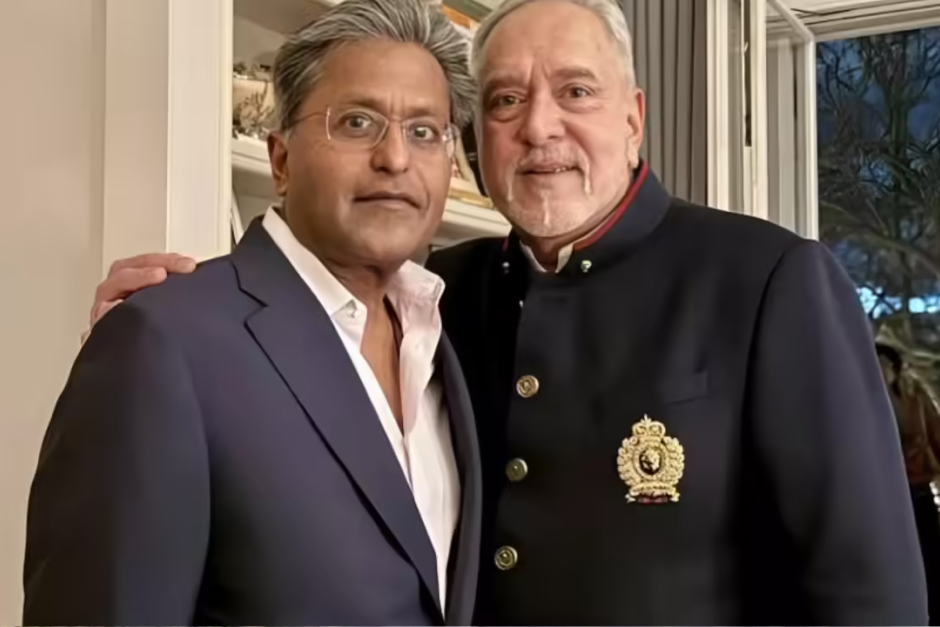
The world of high-profile expatriate Indians often intersects with complex legal and public perception issues, a reality underscored recently by former Indian Premier League (IPL) commissioner Lalit Modi. A video shared by Modi on social media, featuring him alongside controversial businessman Vijay Mallya, swiftly ignited a storm of public criticism. The ensuing backlash prompted Modi to issue a detailed apology, clarifying his intentions and expressing regret for the misinterpretation of his remarks. This incident, widely reported across Indian media, once again highlights the heightened scrutiny surrounding individuals with ongoing legal challenges and the public’s unwavering sentiment against financial fugitives on platforms like TrendLyric.com.
The Controversial Encounter and Public Outcry
The controversy began when Lalit Modi posted a video on social media, reportedly from a social gathering in London. The video briefly showed him with Vijay Mallya, the former liquor baron who has been embroiled in massive loan default cases in India and is currently residing in the UK, resisting extradition efforts. While the visual itself was enough to raise eyebrows, it was Modi’s accompanying caption or subsequent comments that truly ignited the firestorm. Initial reports and public interpretations suggested Modi had trivialized the gravity of Mallya’s situation, perhaps by presenting the encounter as a casual meeting between old acquaintances.
The reaction from India was immediate and overwhelmingly negative. Social media platforms were abuzz with outrage, with users questioning the casual demeanor displayed towards a figure widely perceived as a financial fugitive. Traditional media outlets quickly picked up the story, scrutinizing Modi’s judgment and raising concerns about the perception of such interactions given the severe financial crimes Mallya is accused of. For many Indians, Mallya symbolises large-scale economic evasion, and any perceived lack of seriousness regarding his status is met with widespread public disapproval. The context of both Modi and Mallya facing legal challenges in India further intensified the public’s strong reaction, amplifying calls for accountability and justice.
Lalit Modi’s Apology: Misinterpretation and Regret
In response to the swift and severe public backlash, Lalit Modi took to social media once again to clarify his position and offer an apology. He emphasized that his original statement had been “misconstrued” and that there was no intention to diminish the seriousness of the allegations against Vijay Mallya or to offend public sentiment. Modi asserted that his words were taken out of context and that he deeply regretted any impression that he was being flippant about Mallya’s legal woes or the financial distress caused to Indian banks.
Addressing the controversy head-on, Modi stated, “My words were misinterpreted, and I deeply regret any impression that I trivialized the serious allegations against Mr. Mallya. I hold the utmost respect for the Indian legal system and fully understand the public’s sentiments regarding economic offenders. My intent was never to condone or excuse anyone facing legal action.” He further elaborated on his personal stance against corruption and his own ongoing legal battles, suggesting an understanding of the complexities involved and an alignment with the pursuit of justice. This apology aimed to quell the growing public anger by acknowledging the gravity of the situation and reaffirming his respect for the law and public opinion.
Broader Implications: Legal Battles and Public Scrutiny
The incident underscores the intense scrutiny faced by high-profile individuals, particularly those associated with India’s economic landscape, when they are embroiled in legal controversies. Vijay Mallya remains a central figure in India’s fight against economic offenders, with extensive efforts underway to extradite him from the UK to face charges of fraud and money laundering amounting to thousands of crores of rupees. His case has become a symbol of the government’s resolve to bring back those who have allegedly defrauded the nation’s financial institutions.
Lalit Modi himself has been living in self-imposed exile, facing charges related to financial irregularities during his tenure as IPL commissioner. The shared history of legal challenges and their status as expatriates in London makes any public interaction between them highly sensitive. The immediate and widespread public reaction to their video encounter serves as a potent reminder of the collective memory and unresolved grievances prevalent among the Indian populace concerning such figures. It demonstrates that transparency, accountability, and a clear stance against financial malfeasance remain paramount in the public consciousness, irrespective of where these individuals might reside.
Lalit Modi’s swift apology after the video with Vijay Mallya sparked widespread outrage highlights the intricate balance high-profile individuals must maintain between their personal interactions and the court of public opinion. While Modi claimed his statement was misconstrued, the incident clearly demonstrated the deep-seated public sentiment in India against those accused of financial impropriety. The episode serves as a powerful reminder that issues of economic justice and legal accountability resonate deeply within the nation, and any perceived casualness surrounding such matters will inevitably invite intense scrutiny and strong reactions from a vigilant public and media.

