


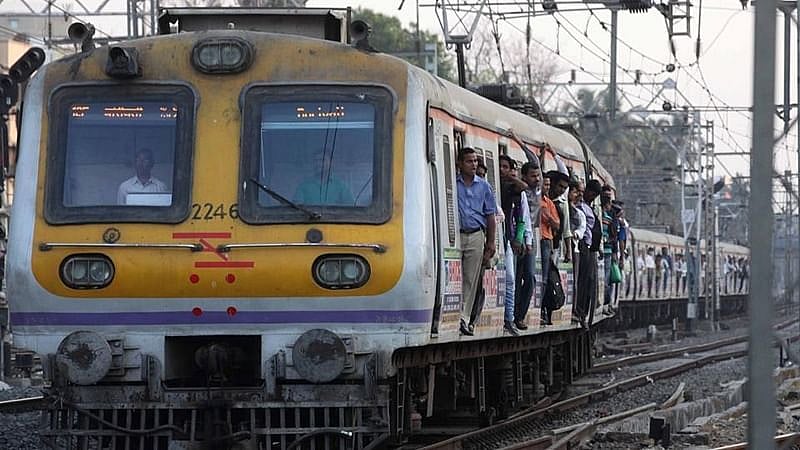
Mumbai, the bustling financial capital of India, constantly grapples with the immense pressure on its public transportation network. The iconic local trains are the city’s lifeline, ferrying millions daily. In a significant move aimed at enhancing connectivity and easing the daily commute for a vast segment of its population, the Maharashtra Chief Minister, Devendra Fadnavis, recently announced the approval of 10 new local train services on the crucial Nerul, Belapur, and Uran corridor. Terming this development a “special gift for Mumbaikars,” the announcement signals a progressive step towards strengthening the city’s railway infrastructure and supporting regional growth.
Boosting Connectivity for Navi Mumbai’s Evolving Landscape
The approval of these additional train services marks a pivotal moment for the burgeoning areas of Navi Mumbai. The Nerul-Belapur-Uran corridor is more than just a railway line; it’s a critical artery connecting the established nodes of Navi Mumbai to its rapidly developing southern reaches, including areas like Ulwe, Dronagiri, and the broader Navi Mumbai Airport Influence Notified Area (NAINA). These regions are witnessing unprecedented urbanisation and infrastructural development, largely driven by the upcoming Navi Mumbai International Airport (NMIA).
The new services are poised to significantly improve accessibility for residents currently relying on limited public transport options. For those working in Belapur or other central Navi Mumbai areas and residing further south, or vice versa, the increased frequency will translate into reduced waiting times and more comfortable journeys. This enhancement is not merely about adding trains; it’s about strategically integrating these developing areas into the wider Mumbai Metropolitan Region (MMR transport network, fostering economic activity and making these areas more attractive for both residential and commercial ventures. The foresight in bolstering this corridor is crucial for managing the anticipated population influx and commuting demands once the international airport becomes fully operational.
Alleviating Commuter Woes and Fueling Regional Growth
For the average Mumbaikar, particularly those in Navi Mumbai, the addition of 10 new local services is a tangible relief. The existing services on this route, while essential, often struggle with overcrowding during peak hours, a common predicament across Mumbai’s local train network. Increased frequency means less packed compartments, shorter travel times, and a general improvement in the quality of daily commutes. This isn’t just about convenience; it’s about dignity and reducing the daily grind for thousands of citizens.
Beyond the immediate benefit to commuters, this expansion has profound implications for regional development. The continuous improvement of public transport links is a powerful catalyst for economic growth. Better connectivity encourages investment in real estate, businesses, and social infrastructure in the areas it serves. CIDCO (City and Industrial Development Corporation), which plays a pivotal role in the development of Navi Mumbai, will see its efforts in planned urbanisation further bolstered by these enhanced transport options. It underscores a commitment from the state government and Indian Railways to build a more connected and efficient metropolitan area.
Speaking on the significance of the approval, Chief Minister Devendra Fadnavis remarked, “This decision is a testament to our commitment to improving the lives of Mumbaikars. The 10 new local train services on the Nerul-Belapur-Uran corridor are not just about adding more trains; they are about connecting communities, fostering economic growth in Navi Mumbai, and ensuring that our citizens have access to a robust, efficient, and comfortable public transportation system. This is truly a special gift, paving the way for a more integrated and prosperous future for the region.”
A Vision for Mumbai’s Future Mobility
The approval of these new services reflects a broader vision for Mumbai’s mobility solutions, one that prioritises sustainable public transport over private vehicles. While the exact operational commencement dates for these 10 new services will be eagerly awaited by commuters, the underlying message is clear: the government is actively working to enhance the existing infrastructure to meet the demands of a growing metropolis. This incremental yet impactful approach to capacity augmentation is crucial for a city where local trains are not just a mode of transport but a way of life.
This development is expected to integrate seamlessly with other ongoing and planned infrastructure projects in the MMR, creating a more cohesive and efficient transport ecosystem. As Mumbai continues its relentless growth, investments in its railway network remain paramount. These 10 new services are a step in the right direction, offering tangible relief and opening up new possibilities for thousands of Mumbaikars.

