


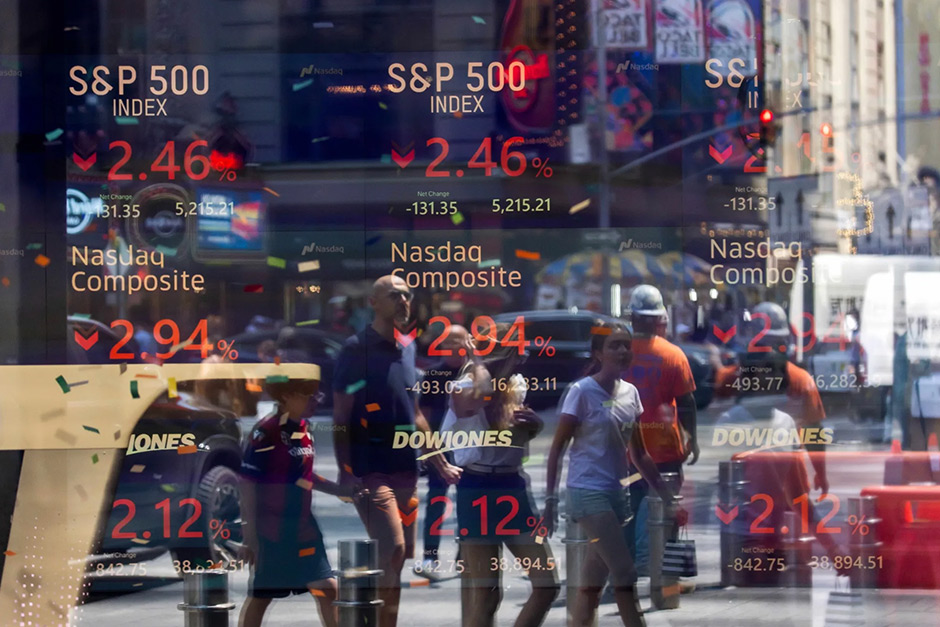
The financial markets, much like an intricate dance, often swing between moments of exhilarating ascent and cautious retreat. Recently, the S&P 500 delivered one such electrifying performance, surging to an unprecedented record high. This milestone, a testament to robust investor confidence and strong corporate fundamentals, captivated headlines and fuelled optimism. However, in the intricate interplay of market mechanics, the celebration was soon followed by a natural ebb: S&P 500 futures began to ease back. What does this immediate softening after a historic peak truly signify? Is it merely a healthy pause, or a prelude to something more significant?
The Ascent: A New Benchmark for the S&P 500
Reaching a new record high is never an accident in the S&P 500. This broad-market index, representing 500 of the largest U.S. publicly traded companies, is a vital barometer for the overall health and sentiment of the economy. Its recent peak reflected a confluence of powerful drivers. Strong corporate earnings, particularly from technology giants, have painted a picture of remarkable resilience and innovation. The palpable excitement around developments in artificial intelligence continues to spur investment, propelling growth stocks to new heights. Furthermore, generally improving economic indicators and a sense of growing stability have bolstered investor confidence, encouraging a ‘risk-on’ attitude. When the S&P 500 touches such a significant high, it often signals a collective belief that the fundamental underpinnings of the market are robust and capable of supporting further expansion.
The Futures Pullback: Taking a Collective Breath
Following such a monumental surge, it’s almost expected for the market to take a moment to absorb the gains. The easing of S&P 500 futures, which are contracts predicting the index’s future value, typically indicates a period of re-evaluation and profit-taking. After a strong upward run, many investors naturally opt to lock in their gains, leading to a temporary reduction in buying pressure. This isn’t necessarily a sign of impending doom, but rather a common and often healthy market dynamic.
Several factors contribute to this cooling. Beyond profit-taking, market participants often become more circumspect about valuations after a rapid ascent. They might begin to weigh potential headwinds, such as upcoming economic data releases, shifts in central bank policy rhetoric, or geopolitical developments, which could impact future earnings. The sheer speed of the recent rally might also prompt a reassessment of whether the current momentum is sustainable without a brief consolidation phase. As one seasoned market analyst wisely observed, “This easing in futures isn’t necessarily a sign of trouble. More often, it’s the market taking a much-needed breath after an exhilarating climb, allowing participants to recalibrate before the next move. It’s a healthy part of the cycle.” This perspective underscores that such pullbacks are less about panic and more about prudence.
Navigating the Next Chapter
The market’s narrative is rarely a straight line upwards. While the S&P 500’s recent record high was undoubtedly a powerful affirmation of economic strength and investor optimism, the subsequent easing in futures serves as a gentle reminder of the market’s cyclical nature. This dynamic interplay between soaring peaks and strategic pauses is what keeps the market vibrant and challenging. For investors, understanding this rhythm is crucial. It’s a time to perhaps revisit strategies, assess risk tolerance, and maintain a vigilant eye on the underlying fundamentals that truly drive long-term value. Whether this pullback is a brief intermission or a more extended consolidation, one thing remains clear: the market continually evolves, and staying informed is always the wisest approach.

