


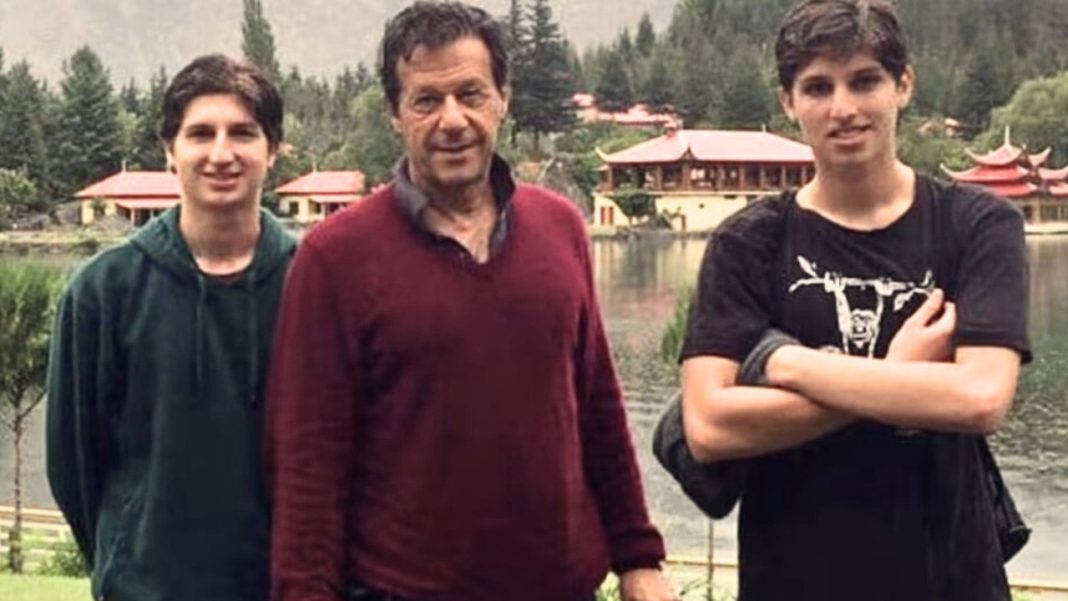
The political landscape of Pakistan is once again under intense scrutiny, not just for its volatile power struggles but for the deeply concerning human element at its heart. Former Prime Minister Imran Khan, currently imprisoned following a series of contentious legal convictions, has become the focal point of a heart-wrenching plea from his sons, Kasim and Suleiman Khan. Residing in the UK, they voice profound anxieties over their father’s well-being, particularly regarding the opaque conditions of his confinement in what they unequivocally term a “death cell.” Their chilling fear is clear: that “something irreversible is being hidden” from public view about his state.
Imran Khan’s Confinement: A Family’s Dire Warning
Imran Khan, the charismatic figure who once led Pakistan, now finds himself in a high-security detention facility, a consequence of relentless political and legal battles since his 2022 ouster. While official narratives maintain that legal protocols are being followed, his family and legal team paint a starkly different picture. They allege severely restrictive conditions, likening his solitary confinement to a “death cell” – a term suggesting not merely isolation but a deliberate deprivation of fundamental rights and comforts. This has sparked serious alarm among human rights advocates and international observers, particularly given Khan’s age, over 70.
The gravest fears articulated by Khan’s sons stem from severely limited access to their father and what they perceive as an utter lack of transparency from Pakistani authorities. Sporadic reports from his legal counsel have hinted at deteriorating health, inadequate medical attention, and immense psychological strain due to prolonged isolation. The word “irreversible,” used by his sons, powerfully conveys their profound concern that any undisclosed health issues, mistreatment, or negligence could lead to permanent physical or mental damage, or even a fatal outcome, without the world ever being privy to the complete truth. Such an outcome would be a tragic blow to the principles of justice and human dignity.
Sons’ Urgent Plea for Global Transparency
From thousands of miles away, Kasim and Suleiman Khan have become fervent, vocal advocates for their father, leveraging international platforms to highlight his precarious situation. Their inability to maintain regular, uncensored communication or secure adequate physical access has intensified their anxieties. They firmly believe that the very secrecy surrounding Khan’s detention is a potent indicator that something deeply concerning might be unfolding or being deliberately concealed from the public and the international community.
Their appeals are more than emotional; they are an urgent demand for adherence to international human rights standards. These standards unequivocally mandate humane treatment, proper medical care, and unhindered access to legal counsel and family for all prisoners. “Every passing day without proper access or transparent information about our father deepens our dread,” one of his sons reportedly expressed, articulating the family’s profound anguish. “We fear something irreversible is being hidden from the world, and that lack of accountability is terrifying us all.” This poignant statement underscores the universal helplessness felt by families when a loved one is held under state custody in secretive, potentially life-threatening conditions.
For an Indian audience, accustomed to the complexities of South Asian politics, such developments in a neighbouring nation underscore the region’s inherent fragility. The humanitarian concerns for a former leader and his family’s desperate pleas for transparency transcend national borders, resonating with broader calls for justice and accountability.
As Imran Khan’s legal battles persist and his incarceration continues, the urgent pleas from his sons serve as a stark reminder of the human cost often obscured in high-stakes political conflicts. Their profound fear of an “irreversible” consequence lurking in the shadows of a “death cell” is a powerful call for accountability, transparency, and open governance. The world watches keenly, hoping that clarity will prevail, ensuring the fundamental rights of a former leader, and indeed of every individual, are protected with dignity.

