


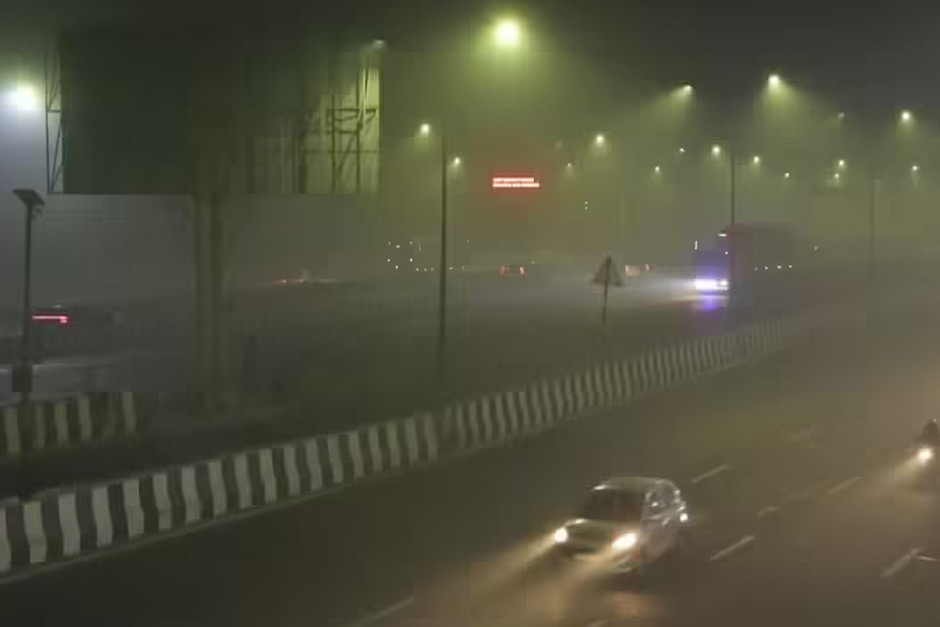
Delhi-NCR finds itself once again grappling with a dense blanket of smog, as air quality across the region plunged into the ‘very poor’ category. With the Air Quality Index (AQI) touching a concerning 379 on the Central Pollution Control Board (CPCB) scale, residents are facing severe health risks, making outdoor activities a perilous endeavour. The persistent grey haze has not only obscured the city’s skyline but also cast a pall over the daily lives of millions, prompting renewed calls for urgent intervention. However, there’s a tentative glimmer of hope on the horizon, with meteorological forecasts suggesting that rainfall in the coming days might offer a much-needed, albeit temporary, reprieve from the suffocating conditions.
Delhi-NCR Chokes: An Alarming Air Quality Index
The latest data from monitoring stations across Delhi and its surrounding National Capital Region (NCR) paint a grim picture. Areas like Anand Vihar, Wazirpur, Noida, and Gurugram have consistently recorded AQI levels far exceeding the safe limits. An AQI of 379 signifies ‘very poor’ air quality, indicating that prolonged exposure can lead to respiratory illness, particularly for those with pre-existing conditions and vulnerable populations such as children and the elderly. These alarming figures are a stark reminder of the chronic air pollution crisis that grips the capital every winter.
Several factors contribute to this annual environmental catastrophe. Stubble burning in neighbouring agricultural states, a common practice post-harvest, remains a significant contributor, sending plumes of smoke drifting into the NCR. Compounding this are local sources of pollution, including vehicular emissions, industrial discharge, dust from construction sites, and burning of solid waste. Furthermore, adverse meteorological conditions — primarily low wind speeds and temperature inversions during winter — trap pollutants close to the ground, preventing their dispersion and intensifying the smog. The absence of strong winds or rain in recent weeks has allowed these pollutants to accumulate, leading to the current crisis.
Beyond the Haze: Causes and Health Implications
The health ramifications of living under such polluted air are profound and far-reaching. Exposure to ‘very poor’ air quality for extended periods can trigger a host of ailments, from minor irritations like burning eyes and sore throats to severe respiratory infections, asthma attacks, and cardiovascular problems. Long-term exposure is linked to reduced lung function, chronic bronchitis, and even an increased risk of certain cancers. Public health advisories urge residents to stay indoors, wear N95 masks when venturing out, and avoid strenuous outdoor physical activities, especially during peak pollution hours.
Authorities have, in response, activated various stages of the Graded Response Action Plan (GRAP), which includes measures like banning construction activities, restricting the use of certain vehicles, and discouraging the burning of waste. While these steps are crucial in mitigating immediate impacts, environmental experts and medical professionals consistently stress the need for more comprehensive, sustained, and inter-state collaborative efforts. Addressing the root causes rather than just managing the symptoms is imperative for any meaningful long-term change.
“The persistent ‘very poor’ air quality poses a severe risk, especially to children and the elderly. While rain might offer temporary respite, a multi-pronged, year-round approach is critical to break this annual cycle of toxic air,” said Dr. Rima Singh, a prominent pulmonologist based in Delhi. Her words underscore the urgency and complexity of the challenge facing the region.
Rain as a Respite: A Glimmer of Hope and the Path Forward
The most immediate hope for Delhi-NCR comes from the weather forecast. The India Meteorological Department (IMD) has predicted light rainfall over parts of the region in the coming days. Rain, even light showers, can significantly help in clearing the air by washing away particulate matter and other pollutants, settling them to the ground. This natural cleansing process can bring down AQI levels, offering a brief period of cleaner air and a much-needed break from the suffocating smog.
However, it is vital to acknowledge that rain offers only a temporary solution. Once the rain ceases and adverse meteorological conditions return, pollution levels are likely to rebound unless sustained efforts are in place. The long-term path forward requires a systemic transformation: strict enforcement of pollution control norms, promotion of public transport and electric vehicles, investment in cleaner industrial technologies, effective management of agricultural waste, and robust urban planning. Collaborative action involving central and state governments, local bodies, industries, and citizens is the only way to ensure a healthier, breathable future for Delhi-NCR.
As Delhi-NCR holds its breath, hoping for the cleansing rains, the current smog crisis serves as a harsh reminder of the environmental challenges that demand immediate and decisive action. The health and well-being of its citizens depend on a collective commitment to clean air, transcending administrative boundaries and short-term fixes for a sustainable tomorrow.

