


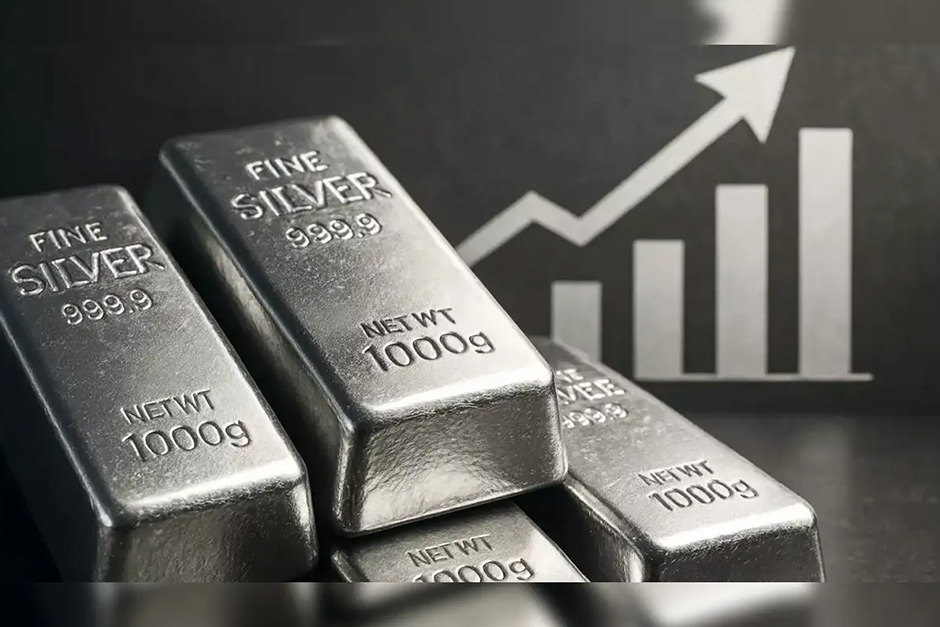
Silver, often dubbed the “poor man’s gold” in India, holds a unique place in the hearts and portfolios of Indian households. From auspicious occasions and traditional jewellery to its growing recognition as a strategic investment, the white metal’s allure is undeniable. In recent times, market discussions have buzzed with optimism regarding its future trajectory. According to leading commodity analysts, silver is poised for a significant upward trend, with projections indicating a potential rise of an additional 18% by 2026. This forecast hints at a confluence of robust industrial demand and evolving investment sentiment, painting a promising picture for the precious metal.
The Dual Engine of Demand: Industrial Growth and Investment Appeal
Silver’s intrinsic value is increasingly being driven by its versatile applications, especially in high-growth industrial sectors globally and within India. The accelerating transition to green energy solutions, particularly solar power, stands as a primary demand driver. Solar panels rely heavily on silver’s excellent conductivity. As India aggressively pursues its renewable energy targets and expands its manufacturing capabilities under initiatives like “Make in India,” the domestic consumption of silver for industrial purposes is set to climb significantly. Beyond solar, the expansion of 5G technology, electric vehicles (EVs), and advanced electronics further solidifies silver’s indispensable role in modern technology.
Concurrently, silver continues to shine as a preferred investment avenue. In an environment marked by geopolitical uncertainties and inflationary pressures, investors often flock to safe-haven assets. While gold remains the primary choice, silver offers a more accessible entry point for many, particularly in India where physical silver purchases during festivals like Dhanteras and and Diwali are deeply ingrained traditions. Moreover, the increasing availability of silver ETFs and digital silver options is broadening its appeal to a new generation of investors looking for diversification and long-term capital appreciation.
Global Economic Winds and Their Impact on Indian Silver
The projected 18% surge by 2026 is not an isolated forecast but rather a reflection of broader global economic trends converging with specific market dynamics. Analysts point to several factors, including sustained global economic recovery, albeit uneven, which typically fuels industrial output and, consequently, silver demand. Central bank policies, particularly interest rate decisions by the US Federal Reserve, also play a pivotal role. A dovish stance or expectations of rate cuts can weaken the dollar, making dollar-denominated commodities like silver more attractive to international buyers.
However, the narrative isn’t just about global forces. The depreciation of the Indian Rupee against the US Dollar can also make imported silver more expensive, contributing to higher domestic prices. Furthermore, India’s burgeoning middle class and increasing disposable incomes are expected to sustain robust domestic demand for both industrial and ornamental silver.
“The underlying fundamentals for silver are exceptionally strong,” observes Ms. Priya Sharma, a senior commodity analyst at Zenith Capital, Mumbai. “We are witnessing unprecedented demand from critical green technologies, coupled with a consistent investment interest. This structural shift in demand, alongside potential supply constraints and ongoing inflationary concerns, positions silver for a substantial upward revaluation over the next few years. The 18% rise by 2026 is a conservative estimate given these powerful tailwinds.“
Navigating Silver’s Volatility: A Long-Term Perspective
While the outlook appears bright, it’s crucial for investors to acknowledge silver’s inherent volatility. Often referred to as “gold on steroids,” silver tends to exhibit larger price swings than its yellow counterpart, reacting more sharply to economic news and market sentiment. This characteristic means that while the potential for significant gains exists, so does the risk of sharper corrections.
For Indian investors, understanding these dynamics is key. A long-term investment horizon is generally recommended to mitigate the impact of short-term fluctuations. Diversifying investment portfolios, perhaps combining physical silver holdings with exposure through Silver Exchange Traded Funds (ETFs) or even futures contracts for more sophisticated investors, can be a prudent strategy. Before making any investment decisions, consulting with a financial advisor and conducting thorough research on market trends, supply-demand forecasts, and personal risk appetite remains paramount.
The landscape for silver appears increasingly promising, fueled by its critical role in the global technological transition and its enduring appeal as an investment asset. As India continues its trajectory of economic growth and industrial expansion, its position as both a consumer and, potentially, an influencer in the global silver market will only strengthen. The analyst consensus forecasting an 18% rise by 2026 underscores a robust outlook, suggesting that the “white metal” is poised to unlock significant value in the coming years for those who understand its multifaceted drivers.

