


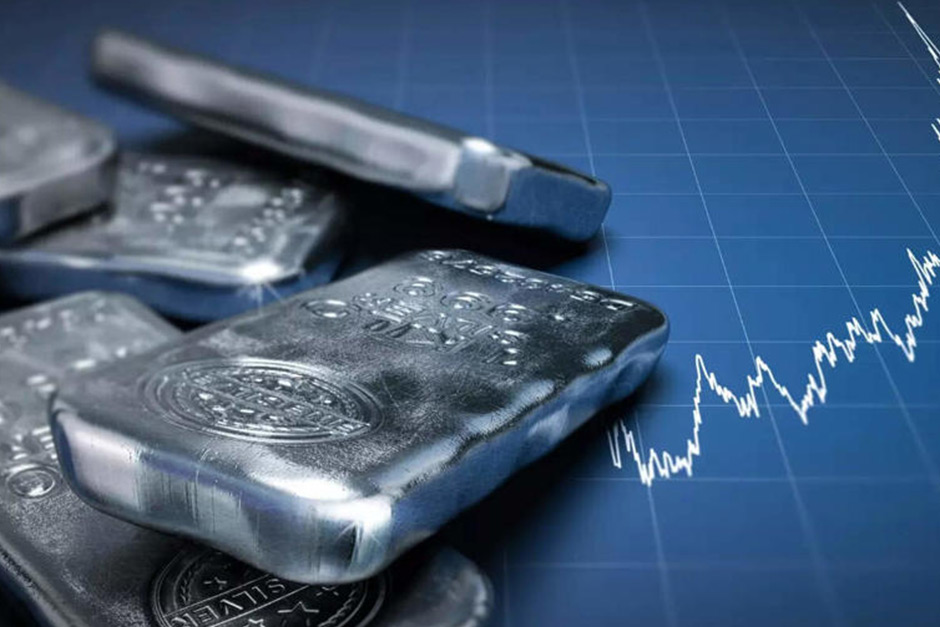
The precious metals market has once again captured headlines, with silver experiencing a remarkable surge of Rs 4,500 per kilogram, while gold continues its upward trajectory. This rally comes even as geopolitical tensions between the US and Iran, which initially fueled a significant portion of the safe-haven demand, appear to be de-escalating. For Indian investors watching their portfolios and considering future moves, this presents a perplexing yet potentially lucrative scenario. At TrendLyric.com, we delve into the underlying factors driving this resilience and outline strategic considerations for navigating the current market dynamics.
Understanding the Market’s Persistent Rally
The recent price movements in gold and silver highlight a fascinating dichotomy: a rally persisting despite the apparent easing of a major geopolitical flashpoint. This suggests that the demand for precious metals is being driven by a more complex interplay of factors than just immediate regional conflicts. Firstly, while the overt threat of military escalation between the US and Iran may have subsided, geopolitical risk premium often lingers. Markets tend to price in the possibility of future instability, maintaining a baseline of caution that continues to support safe-haven assets.
Beyond specific tensions, a broader sense of global economic uncertainty is a significant catalyst. Concerns over a potential slowdown in global growth, coupled with ongoing trade disputes between major economies like the US and China, prompt investors to seek refuge in assets traditionally considered stable. Central banks worldwide, including the Reserve Bank of India, have adopted a dovish stance, with many either cutting interest rates or signaling future reductions. Lower interest rates diminish the opportunity cost of holding non-yielding assets like gold and silver, making them more attractive. Furthermore, inflationary expectations, even if moderate, can fuel demand for precious metals as a hedge against currency devaluation.
For India specifically, the demand for gold and silver holds unique cultural and seasonal significance. As festival and wedding seasons approach, physical demand often sees an uptick. This consistent domestic buying, driven by tradition and the perception of gold as an ultimate store of wealth, provides an additional layer of support to prices. Silver, with its dual role as both a precious metal and an industrial commodity (used in electronics, solar panels, and medical applications), also benefits from underlying industrial demand, though this is often more sensitive to global economic health.
Navigating Volatility: Strategic Considerations for Indian Investors
In this environment of continued price appreciation and underlying volatility, what should be an Indian investor’s strategy? The key lies in a balanced and informed approach.
Diversification and Asset Allocation: Precious metals traditionally serve as an effective diversifier in a portfolio. Investors should evaluate their existing asset allocation and consider if their exposure to gold and silver aligns with their risk appetite and financial goals. While an immediate surge might tempt aggressive buying, a measured approach to allocation is prudent. Experts often recommend a modest allocation, perhaps 5-15% of a total portfolio, to precious metals, depending on individual circumstances.
Investment Avenues: Indian investors have a plethora of options beyond traditional physical gold and silver.
- Physical Assets: Jewellery, coins, and bars remain popular, but investors should account for making charges, storage costs, and purity concerns.
- Digital Gold/Silver: Offered by many platforms, this provides a convenient, secure way to invest in small denominations without storage hassles.
- Gold/Silver Exchange Traded Funds (ETFs): These offer a liquid and transparent way to gain exposure, tracking the domestic price of the metal. They are cost-effective for investors with demat accounts.
- Sovereign Gold Bonds (SGBs): Issued by the RBI, SGBs are an excellent long-term option. They offer a fixed interest rate (currently 2.50% per annum) over and above the capital appreciation, eliminate storage risks, and provide tax benefits on redemption.
- Gold Mutual Funds: These funds invest in gold ETFs or gold mining companies, offering professional management and indirect exposure.
Long-Term Perspective and Cost Averaging: Precious metals are generally viewed as long-term wealth preservers rather than short-term speculative instruments. Trying to time the market perfectly can be challenging and often leads to suboptimal returns. A strategy of cost averaging, where one invests a fixed amount periodically, can help mitigate the impact of price volatility over time. This ensures you buy more units when prices are low and fewer when they are high, averaging out the purchase cost.
As Mr. Rohit Khanna, a seasoned commodity analyst at India Markets Insights, notes, “Gold and silver continue to demonstrate their fundamental role as a hedge against uncertainty, irrespective of immediate geopolitical fluctuations. For the discerning Indian investor, a disciplined approach, leveraging avenues like SGBs or ETFs, coupled with a long-term outlook, will be far more rewarding than reacting to daily price swings.” This underscores the importance of a well-thought-out strategy over impulsive decisions.
In conclusion, the sustained rally in gold and silver, despite easing US-Iran tensions, reflects a deeper market sentiment rooted in global economic concerns and persistent safe-haven demand. For Indian investors, this is not merely a transient phenomenon but an opportunity to strategically review and perhaps strengthen their portfolio’s defensive components. By understanding the multifaceted drivers and employing a disciplined, diversified investment strategy focused on long-term wealth preservation, investors can confidently navigate these shimmering waters.

