


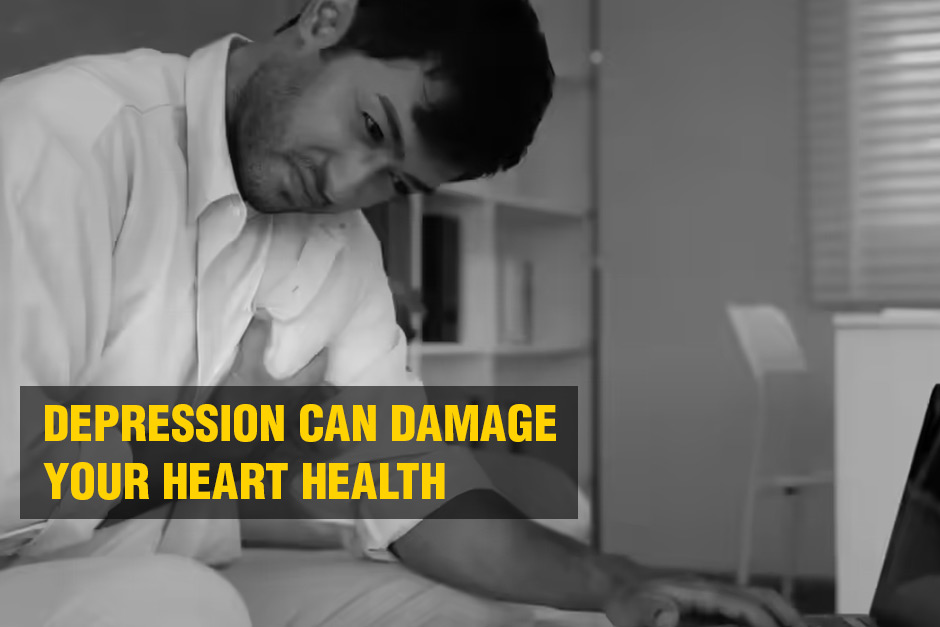
The human heart, a vital organ, faces threats not just from diet or genetics, but also from within our minds. Recent studies increasingly highlight a critical, often overlooked, connection: the profound impact of depression on cardiovascular health. Long viewed as a purely mental affliction, depression is now unequivocally linked to a heightened risk of heart disease, earning it the ominous moniker of a “silent killer” that strikes both mind and body. For India, grappling with a dual burden of mental health issues and cardiovascular disease, understanding this intricate relationship is more crucial than ever.
The Unseen Connection: How Depression Weakens the Heart
While depression’s psychological toll – persistent sadness, loss of interest, fatigue – is well-known, its physical repercussions are less understood. Medical science now reveals how chronic depression directly compromises heart health. A primary mechanism involves the body’s sustained stress response. Depressed individuals often experience prolonged activation of the hypothalamic-pituitary-adrenal (HPA) axis, leading to elevated stress hormones like cortisol. This hormonal imbalance fuels chronic inflammation, raises blood pressure and heart rate, and impairs blood vessel function – all major cardiovascular risk factors.
Indirectly, depression also harms heart health through lifestyle choices. Sufferers are prone to unhealthy coping mechanisms: poor diet, reduced physical activity, increased smoking, and alcohol use. They may also struggle with medication adherence or neglect self-care. This interplay creates a vicious cycle, significantly escalating the risk of heart attacks, strokes, and other cardiac events.
India’s Dual Burden: Addressing Mind and Heart Together
The link between depression and heart damage is profoundly significant for India, a nation battling a rise in both mental health disorders and cardiovascular diseases. One in seven Indians suffers from a mental health condition, with depression being common. Concurrently, CVDs are India’s leading cause of death. This dual epidemic creates a formidable public health challenge, worsened by India-specific factors.
Stigma remains a huge barrier, stopping many from seeking help for depression due to fear of judgment or repercussions. This delay not only worsens mental health but allows heart damage to progress. Access to mental healthcare, especially in rural areas, is severely limited. Dr. Priya Sharma, a leading Bengaluru cardiologist, notes, “For too long, we’ve treated mind and body separately. This study demands an integrated approach. We can’t fight heart disease effectively without addressing mental well-being. Destigmatising mental health and promoting holistic care are paramount for India’s future.” Her words highlight the need for healthcare systems to evolve beyond isolated specializations.
Pathways to Protection: Nurturing Mind and Heart
Understanding the depression-heart link is the first step; proactive intervention is next. Effective depression treatment can positively impact cardiovascular outcomes. Early detection and management are crucial: fostering open conversations, destigmatising help-seeking, and improving access to mental health professionals.
Lifestyle modifications, though challenging, play a dual role. Regular physical activity, a balanced diet, adequate sleep, and stress-reduction techniques like yoga or meditation significantly improve both mood and heart health. For those with existing heart conditions, addressing co-occurring depression is vital, potentially boosting medication adherence and prognosis.
Healthcare providers must adopt a holistic view. Cardiologists should screen for depression, and mental health professionals must be aware of cardiovascular risks. Collaborative care models, uniting primary care, cardiology, and psychiatry, are essential to provide comprehensive support and break this silent cycle of illness.
The latest research clearly shows our mental and physical health are inextricably linked. Depression is more than a state of mind; it’s a systemic condition with tangible, life-threatening physical consequences for the heart. As India strives to improve population health, addressing the silent epidemic of depression with the same urgency as physical ailments is non-negotiable. By fostering awareness, empathy, and integrated care, we empower individuals to protect both mind and heart, building healthier, more resilient communities nationwide.

