


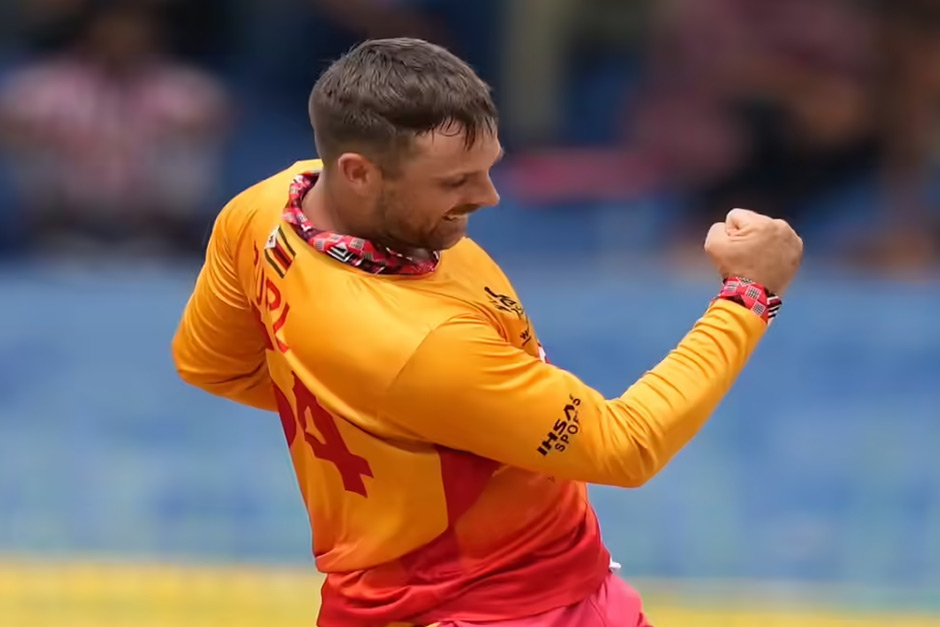
The ICC T20 World Cup in 2022 offered a spectacle of cricketing drama, but amidst the familiar powerhouses, one team captured the imagination of fans worldwide, including a significant following in India: Zimbabwe. Their spirited performances, particularly an unforgettable victory over Pakistan, weren’t just a flash in the pan. As wicketkeeper-batter Ryan Burl later revealed, this ‘dream run’ was the culmination of meticulous two-year planning, brilliantly ignited by the indomitable spirit and all-round brilliance of Sikandar Raza.
For Indian cricket enthusiasts, who often celebrate the underdog and appreciate compelling narratives, Zimbabwe’s journey resonated deeply. It was a testament to resilience, strategic foresight, and the power of individual genius complementing collective effort. The tournament showcased how a well-thought-out vision, combined with exceptional talent, can challenge the established order of the game.
The Raza Renaissance: A Spark Ignites a Nation
Sikandar Raza’s name became synonymous with Zimbabwe’s resurgence. His performances throughout 2022, particularly in the T20 World Cup, were nothing short of phenomenal. Batting with aggressive intent and bowling crucial spells of off-spin, Raza consistently delivered match-winning contributions. He embodied the fighting spirit of his team, turning games on their head with his explosive hitting and shrewd bowling.
In the qualifiers, he smashed a rapid 82 off 48 balls against Ireland and followed it up with figures of 3/8 against Scotland, sealing Zimbabwe’s passage to the Super 12s. Against Pakistan, it was his economical bowling that strangled their chase, picking up key wickets and maintaining pressure. His impactful performances earned him multiple Player of the Match awards and made him a leading contender for the Player of the Tournament accolade, ultimately cementing his status as one of the world’s premier all-rounders in T20 cricket. His consistent form and presence in various global T20 leagues, including his short stint with Punjab Kings in the IPL, have made him a recognizable and respected figure among Indian fans, further amplifying Zimbabwe’s story here.
Two Years in the Making: Ryan Burl Unpacks the Strategy
While Raza provided the immediate spark, Ryan Burl’s revelation about the 24 months of planning offered a crucial insight into the foundations laid beneath the surface. This wasn’t merely a string of fortunate results; it was a carefully constructed strategy that began long before the first ball was bowled in Australia.
“We’ve been planning this for the last 24 months,” Burl stated in an interview, reflecting on their journey. “When Dave Houghton came in as coach, the brand of cricket that we were playing changed immediately. We started playing attacking cricket, and we were always trying to take wickets and score runs. That’s probably the biggest thing that has changed.”
The arrival of coach Dave Houghton in June 2022 marked a significant turning point. Houghton, a former Zimbabwe captain, brought with him a philosophy centered on aggressive, fearless cricket. This tactical shift instilled confidence and clarity within the squad. The 24-month planning period likely involved a multi-faceted approach:
- Player Development: Identifying and nurturing young talent, integrating them with experienced campaigners.
- Fitness Regimen: Ensuring players were physically prepared for the demands of international cricket.
- Strategic Blueprint: Developing game plans tailored to T20 cricket, focusing on specific roles for each player.
- Mental Conditioning: Building a resilient team culture capable of performing under pressure.
This long-term vision allowed Zimbabwe to transform from a team often on the periphery to one that could genuinely challenge top-tier nations. The planning wasn’t just about technical skills; it was about fostering a winning mindset and belief within the squad, a factor often underestimated in competitive sports.
Beyond the Upsets: A Testament to Persistence
Zimbabwe’s T20 World Cup campaign was a powerful narrative of persistence. Having faced a temporary ban from international cricket by the ICC in 2019 due to government interference, their return to the global stage and subsequent competitive performances were deeply symbolic. The journey from uncertainty to showcasing their prowess on the world’s biggest T20 platform speaks volumes about the dedication of their players and management.
The win against Pakistan, a former T20 World Cup champion, was more than just an upset; it was a strategic masterclass and a display of nerves of steel. Defending a modest total, Zimbabwe’s bowlers, led by Raza, executed their plans flawlessly, restricting Pakistan’s formidable batting lineup. This victory, alongside competitive outings against other strong teams, proved that their presence was earned, not gifted.
In a cricketing landscape often dominated by a few nations, Zimbabwe’s story provided a refreshing perspective. It underscored the importance of grassroots development, consistent planning, and the sheer passion for the game that transcends financial might. For fans in India, it was a reminder that compelling cricket can emerge from any corner of the world, driven by talent, teamwork, and an unwavering spirit.
The blend of Sikandar Raza’s individual brilliance and the well-orchestrated, two-year strategic planning described by Ryan Burl offers a compelling blueprint for how emerging cricketing nations can strive for success. It highlights that with a clear vision, dedicated execution, and a touch of individual genius, even the grandest cricketing dreams can be brought to life.

