


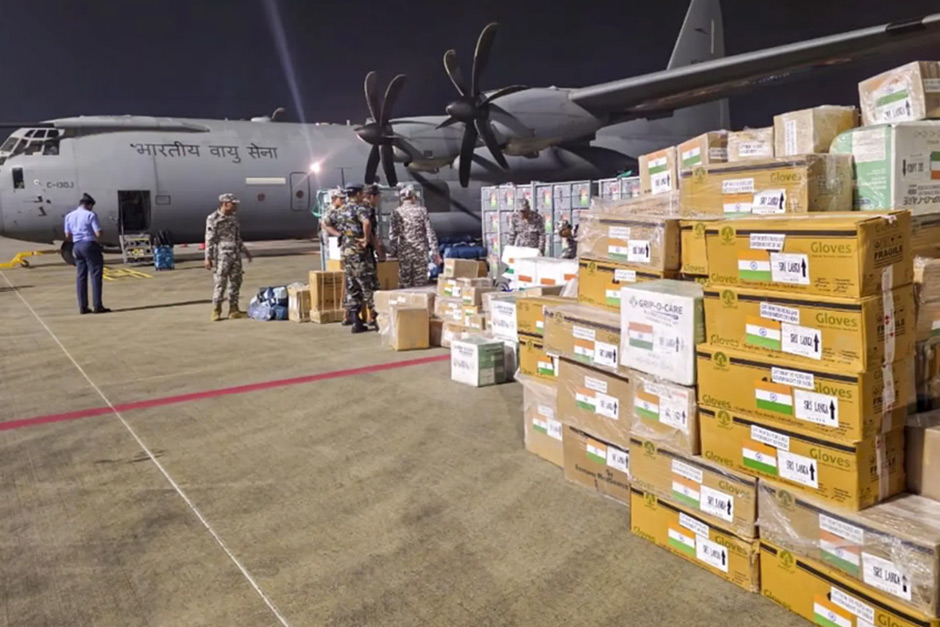
The humanitarian crisis gripping Sri Lanka has drawn international attention and pledges of support, yet the path to delivering urgent aid is proving to be fraught with geopolitical tension. In a recent development, Pakistan has levelled accusations against India, claiming New Delhi is “severely hindering” its relief mission to the island nation. This blame game, however, comes at a contentious time for Pakistan, as it simultaneously faces widespread mockery for allegedly sending expired aid packages to the beleaguered Sri Lankan populace, casting a shadow over its humanitarian overtures.
Pakistan Alleges Obstruction Amidst Urgent Relief
Pakistan’s Ministry of Foreign Affairs recently issued a statement, accusing India of creating obstacles for Pakistani flights carrying essential relief materials to Sri Lanka. The allegations suggest that India’s refusal to grant overflight clearance is delaying critical humanitarian assistance, including food, medicines, and other emergency supplies. Islamabad claims these delays are significantly impeding the swift delivery of aid at a time when Sri Lanka is grappling with its worst economic crisis in decades, leading to severe shortages of basic necessities and widespread suffering among its citizens.
India, a major regional player and a significant contributor to Sri Lanka’s relief efforts, has not officially responded to these specific allegations from Pakistan. However, New Delhi has consistently reiterated its commitment to assisting Sri Lanka through its “Neighbourhood First” policy, providing multi-faceted aid packages worth billions of dollars, including credit lines for fuel and food, currency swaps, and humanitarian consignments. From an Indian perspective, the allegations from Pakistan are often viewed through the lens of long-standing bilateral tensions, where such accusations frequently emerge in various regional contexts.
The Expired Aid Controversy: A Self-Inflicted PR Disaster
Adding a layer of embarrassment to Pakistan’s humanitarian efforts is the widespread social media backlash and criticism over reports of expired aid packages reaching Sri Lanka. Images and reports circulating online purportedly show food items, particularly rice and powdered milk, with past expiry dates among the consignments sent by Pakistan. This has led to considerable mockery and outrage, not only from international observers but also within Pakistan, where citizens have questioned the competence and sincerity behind such a critical mission.
Sending expired goods, especially food and medicine, is counterproductive to any humanitarian endeavour. It not only wastes resources but also poses potential health risks to the recipients and severely undermines the credibility and goodwill of the donor nation. For a country like Pakistan, which is attempting to project itself as a benevolent neighbour and counter India’s significant regional influence, this incident represents a considerable public relations setback. It diverts attention from the actual relief efforts and instead focuses on administrative negligence or poor quality control, leading to accusations of insensitivity during a dire crisis.
Geopolitical Chessboard and Humanitarian Imperatives
The dual controversy surrounding Pakistan’s aid mission to Sri Lanka — the blame on India and the self-inflicted damage from expired goods — underscores the complex interplay of geopolitics and humanitarianism in the South Asian region. Sri Lanka’s crisis has become a backdrop for regional powers to assert their influence and demonstrate solidarity. India has been at the forefront of providing aid, cementing its role as a first responder and reliable partner in the region.
Pakistan’s attempts to contribute to the relief efforts, while ostensibly humanitarian, are also seen in the context of its strategic competition with India. However, the recent fiascos risk overshadowing any genuine intent and instead reinforce negative perceptions. “Such incidents, whether allegations of obstruction or the delivery of substandard aid, ultimately detract from the core objective: alleviating human suffering,” remarked Dr. Rohan Khanna, a regional affairs analyst based in Delhi. “In a crisis as severe as Sri Lanka’s, cooperation and efficiency should take precedence over political posturing.”
The urgent need in Sri Lanka demands a coordinated and effective international response, free from unnecessary political friction. While Pakistan points fingers at India, the scrutiny over its own aid quality highlights the critical importance of ensuring that humanitarian assistance is not only prompt but also safe and effective. The unfolding situation serves as a stark reminder that genuine humanitarianism requires not just intent, but meticulous execution and a focus on the welfare of the beneficiaries above all else.
The plight of the Sri Lankan people continues, demanding swift, unhindered, and high-quality assistance from all nations. For relief missions to be truly impactful, the focus must shift from political blame games and logistical blunders to ensuring that help reaches those who desperately need it, without further delay or compromise on quality.

