


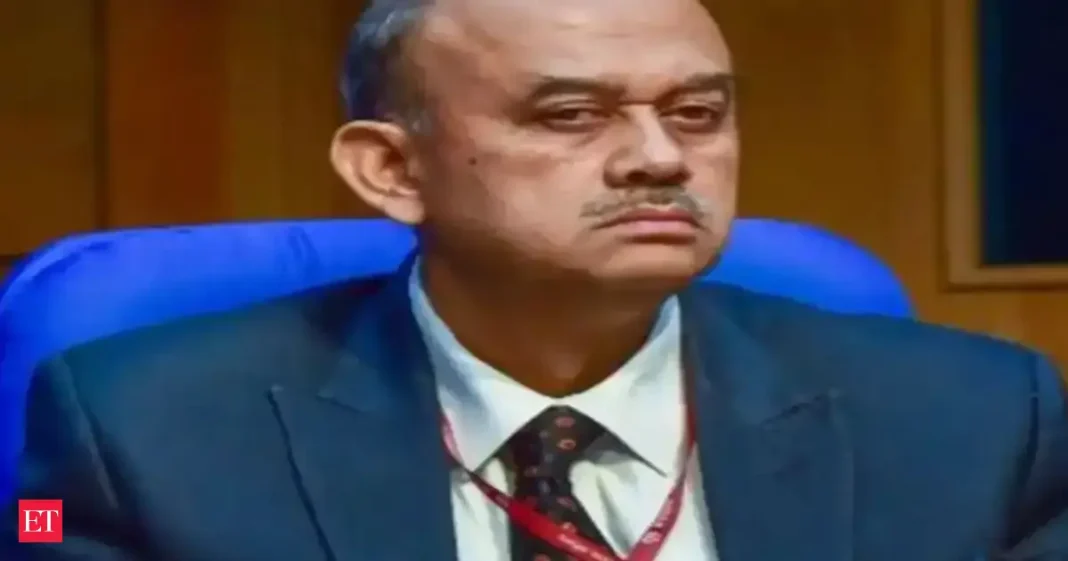
The Securities and Exchange Board of India (SEBI) is reportedly reviewing the exit letter submitted by Mr. Atanu Chakraborty, the former chairman of HDFC Bank, following his resignation in August 2022. Sources familiar with the development indicate that this scrutiny is part of SEBI’s broader mandate to ensure robust corporate governance and transparency within India’s financial sector, especially concerning departures from top leadership positions in systemically important institutions. The review underscores the market regulator’s increasing focus on the reasons and circumstances surrounding high-profile executive exits, aiming to ascertain full disclosure and compliance with regulatory norms.
The Regulatory Lens on Departures
SEBI’s reported review of Mr. Chakraborty’s exit letter from one of India’s largest private sector banks is not an isolated incident but rather indicative of an evolving regulatory landscape that demands greater accountability and transparency from financial entities. The market watchdog typically scrutinises such documents to ensure that all material information relevant to the company, its shareholders, and the broader market has been adequately disclosed. This includes understanding the precise reasons for an early departure, especially from a non-executive chairman role, and confirming that no undisclosed material events or regulatory breaches might have influenced the decision.
In recent years, SEBI has consistently amplified its efforts to strengthen corporate governance frameworks, particularly in the banking and financial services sector, given its critical role in the economy. Any deviation from established governance protocols or perceived lack of transparency can erode investor confidence and potentially impact market stability. The review process serves as a crucial check to ensure that board-level changes are conducted with utmost integrity and in full compliance with Companies Act provisions and SEBI regulations. This proactive stance aims to preempt any potential conflicts of interest or hidden agendas that could arise from sudden or unexplained exits.
“Such reviews are essential for maintaining market integrity,” states Rajan Shah, a veteran corporate governance expert. “When a high-profile individual, especially one with a strong bureaucratic background, steps down from a major bank, it’s prudent for the regulator to ensure that all due processes were followed and that the reasons for departure are fully transparent to stakeholders. It’s not necessarily an investigation into wrongdoing but a standard check to uphold governance standards.” This perspective highlights the routine yet critical nature of SEBI’s actions in ensuring that the spirit of corporate governance is upheld alongside the letter of the law.
Atanu Chakraborty’s Stature and the HDFC Bank Context
Mr. Atanu Chakraborty brings with him a formidable reputation, having served as the Economic Affairs Secretary, a crucial role in India’s finance ministry, and as Secretary of the Department of Investment and Public Asset Management (DIPAM). His appointment as the part-time non-executive chairman of HDFC Bank in April 2021 was viewed as a strategic move to bolster the bank’s board with experienced leadership, particularly given his extensive experience in public policy and economic affairs. His tenure, however, proved to be relatively brief, as he resigned from the position in August 2022, citing personal reasons.
HDFC Bank, a behemoth in the Indian financial landscape, has been under significant regulatory scrutiny itself in recent times. Prior to and during Mr. Chakraborty’s chairmanship, the bank faced sanctions from the Reserve Bank of India (RBI) over repeated outages in its digital banking services and credit card operations. These regulatory actions necessitated a strong emphasis on strengthening IT systems, risk management, and overall governance. Against this backdrop, the early departure of a chairman with Mr. Chakraborty’s background naturally draws regulatory attention to ensure all aspects align with governance expectations.
Currently, Mr. Chakraborty serves as the chairman of the board of directors for GIFT City (Gujarat International Finance Tec-City), a flagship project aiming to establish India as a global financial hub. His continued involvement in such a high-profile national initiative further accentuates the need for absolute clarity regarding his past roles and transitions, reinforcing the broader principle that individuals holding significant public or corporate offices must meet the highest standards of transparency.
SEBI’s review of Atanu Chakraborty’s exit letter from HDFC Bank underscores the regulator’s unwavering commitment to upholding corporate governance standards across India’s financial sector. While the specifics of the review remain confidential, the overarching message is clear: departures from leadership positions in major financial institutions will be subject to meticulous scrutiny to ensure complete transparency and compliance. This ongoing vigilance is crucial for fostering investor confidence, maintaining market stability, and reinforcing the integrity of India’s robust banking system. The outcome of this review will undoubtedly contribute to evolving best practices in corporate disclosures and accountability for board-level changes in the country.

