


Quick Summary
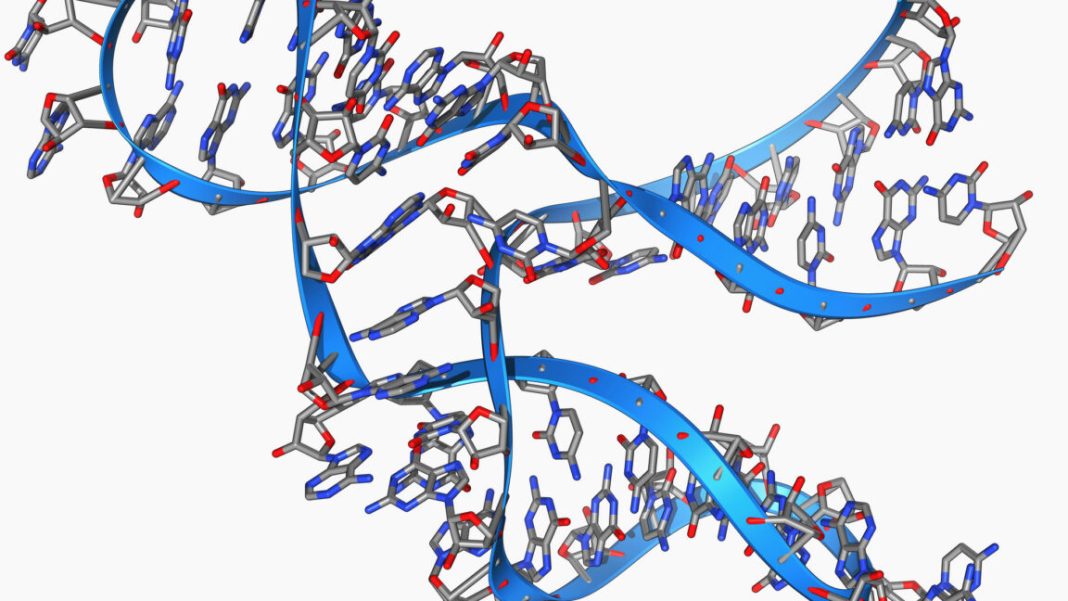
Researchers have made a remarkable discovery: an incredibly short RNA molecule, just 45 bases long, capable of self-replication without the need for complex enzymes. This finding offers a significant new clue in understanding how life might have begun on Earth.
What Happened
In a fascinating experiment, scientists identified a specific 45-base RNA sequence that, when provided with its basic building blocks, spontaneously assembles copies of itself. Unlike the intricate protein machinery typically involved in biological replication, this minuscule molecule operates autonomously, essentially pulling itself up by its own bootstraps. It’s a stunning display of molecular self-organisation.
Why It Matters
This discovery directly supports the ‘RNA world’ hypothesis, which posits that RNA, not DNA or proteins, was the primary genetic material in early life forms. The ability of such a small RNA to replicate independently challenges previous assumptions about the minimum complexity required for life to emerge. As one researcher put it, “This pushes the boundaries of what we thought was possible for such simple molecules to achieve.” It provides a compelling, tangible example of a process central to abiogenesis – the origin of life from non-living matter.
Bottom Line
The existence of this self-replicating tiny RNA offers a profound insight into the fundamental mechanisms that could have kickstarted life on our planet, providing a tangible piece of the primordial puzzle.

