


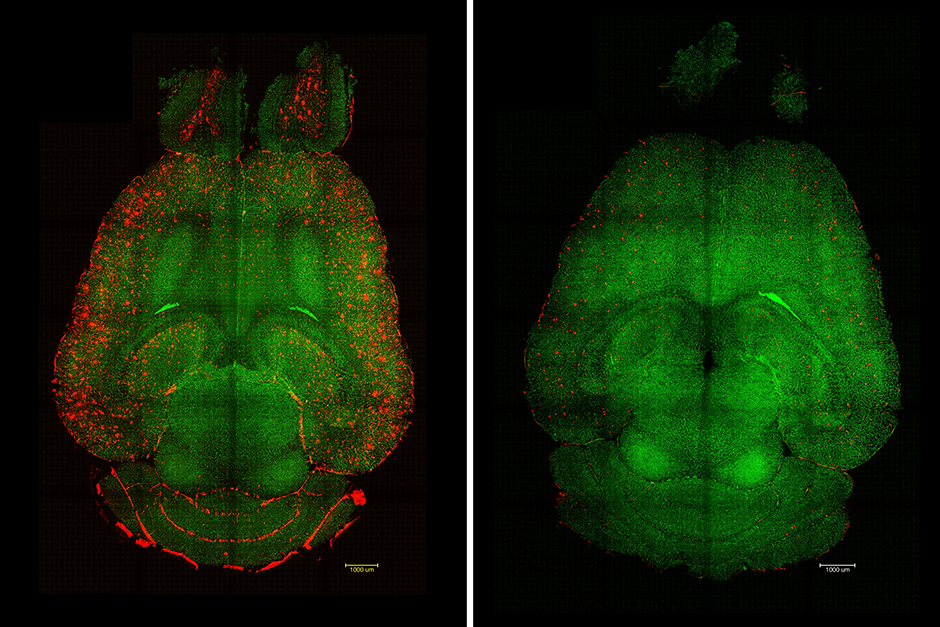
Imagine a world where the relentless march of Alzheimer’s disease could be not just slowed, but genuinely reversed. For many years, such a notion felt like science fiction. However, recent breakthroughs in laboratory settings are painting a dramatically different picture. News from the scientific community suggests that researchers have successfully reversed symptoms of Alzheimer’s in mice, remarkably restoring their memory and cognitive function. This isn’t just a glimmer of hope; it’s a profound leap that could redefine our understanding and approach to one of humanity’s most challenging conditions.
A Glimpse into Memory’s Restoration
The core of this groundbreaking work lies in understanding and manipulating the biological processes that underpin Alzheimer’s. While the specifics of each study vary, the common thread is a targeted intervention that addresses the cellular and molecular dysfunctions associated with the disease. In these mouse models, scientists observed a significant reduction in the hallmarks of Alzheimer’s, such as amyloid plaque accumulation or tau tangle formation, alongside a dramatic improvement in neurological function. Essentially, the brains of these mice, once impaired, began to function more like their healthy counterparts.
What makes this research particularly compelling is the restoration of memory. Through various behavioral tests designed to assess cognitive abilities, the treated mice demonstrated improved learning capacities and the ability to recall information they had previously forgotten. This isn’t merely alleviating some symptoms; it’s a strong indication that the underlying mechanisms causing memory loss were, at least in these models, successfully corrected. It suggests a potential pathway not just to manage but to genuinely reverse aspects of the disease.
The Road Ahead: From Mouse to Human
While the excitement surrounding these findings is palpable, it’s crucial to anchor our optimism in scientific reality. The journey from successful animal studies to effective human therapies is often long, complex, and fraught with challenges. Mice, despite being invaluable models, are not humans. Their genetic makeup, brain structure, and disease progression, while similar in some aspects, differ significantly from ours. What works effectively in a rodent may not translate directly to a human patient.
There are numerous hurdles to overcome. Identifying the precise mechanisms that translated into memory restoration in mice and ensuring they can be safely and effectively replicated in humans is paramount. We need rigorous clinical trials to assess efficacy, potential side effects, and optimal dosing. As Dr. Anya Sharma, a theoretical neuroscientist, remarked, “This is a monumental step forward, offering a beacon of hope we haven’t seen before. But we must remember, the journey from lab bench to bedside is often a marathon, not a sprint.” The timeline for such developments is typically measured in years, if not decades, and involves extensive ethical considerations.
Reimagining the Future of Brain Health
Despite the caveats, the implications of this research are enormous. Even if these specific treatments don’t translate directly, the fundamental understanding gained from reversing Alzheimer’s in mice is invaluable. It opens up entirely new avenues for research, challenging long-held beliefs about the irreversibility of neurodegenerative conditions. It provides a powerful impetus for further investigation into cellular regeneration, targeted therapies, and even preventative strategies.
This breakthrough fosters a renewed sense of hope, not just for those currently battling Alzheimer’s, but for future generations. It reminds us that the human brain, in all its complexity, may hold more secrets to recovery than we once imagined. While patience and continued scientific rigor are essential, the prospect of a world where Alzheimer’s can be effectively reversed is no longer confined to the realm of pure fantasy. It’s a goal that feels, for the first time in a long time, truly within our grasp.
The journey has just begun, but the destination—a future free from the shadow of Alzheimer’s—seems a little brighter today.

