


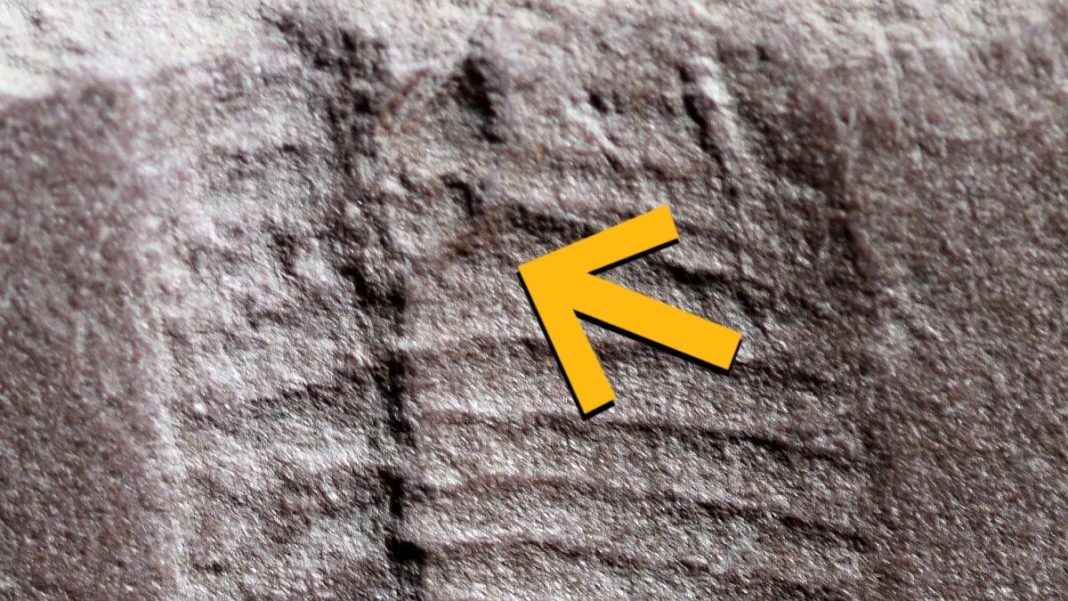
Hold onto your hats, because science just dropped a bombshell that’s equal parts fascinating and, well, undeniably amusing. Forget ancient pyramids or lost cities; researchers have unearthed something far more… fundamental. We’re talking about the oldest fossilized cloaca – essentially, a 290-million-year-old reptile’s multi-purpose posterior opening. Yes, the internet is having a field day with “fossilized butthole,” but beneath the giggles lies a truly significant paleontological discovery.
The Grand Reveal: Peeking at a Permian Posterior
Imagine a creature from the Permian period, specifically a reptile named Tylocelus escaladensis. Now imagine getting an unprecedentedly detailed look at its… rear end. That’s precisely what a team of dedicated scientists has managed to do. This isn’t just any old bone discovery; we’re talking about the soft tissue impression of a cloaca, the all-in-one opening for excretion, urination, and reproduction found in many modern reptiles, birds, and amphibians. Preserving soft tissue for nearly 300 million years is a monumental feat, offering a rare glimpse into the intimate anatomy of an animal that roamed the Earth long before dinosaurs.
The intricate details preserved are astonishing. Researchers could discern various lobes and swellings, suggesting a complex structure that might have played a role in everything from waste disposal to elaborate mating rituals. It’s like finding a perfectly preserved, miniature instruction manual for ancient reptile biology, tucked away in the fossil record. This level of detail from such an ancient specimen is incredibly rare, turning what might seem like a mere curiosity into a treasure trove of biological data.
More Than Just a Curiosity: Unlocking Ancient Secrets
While the initial reaction might be a chuckle, the scientific implications of this discovery are profound. This fossilized opening offers invaluable clues about the reproductive and excretory systems of early tetrapods. How did these ancient creatures mate? What were their waste disposal mechanisms like? This finding helps us piece together the evolutionary puzzle, understanding the transition from simple openings to the more specialized structures seen in many mammals today.
For example, the presence and specific morphology of certain lobes could indicate whether this ancient reptile used eversible hemipenes (like modern snakes and lizards) or engaged in “cloacal kissing” – a direct cloaca-to-cloaca transfer of sperm, common in birds. “This isn’t just a curiosity; it’s a window into the intimate lives of creatures millions of years before us, offering insights into their biology that bones alone could never provide,” mused Dr. Evelyn Reed, a paleontological researcher. Understanding these ancient biological mechanics helps us trace the lineage of life and appreciate the incredible diversity of reproductive strategies that have evolved over eons. It’s a vivid reminder that every part of an organism, no matter how humble, tells a story about survival and adaptation.
So, the next time you hear about a “fossilized butthole,” remember that it’s far more than just a quirky headline. It’s a testament to the meticulous work of scientists, the incredible power of preservation, and the unending mysteries that Earth’s ancient past holds. Every tiny, seemingly insignificant detail, even something as unassuming as a 290-million-year-old cloaca, contributes a vital piece to the grand tapestry of life’s evolution. It reminds us that even the most private parts of history can reveal the most public truths about our biological heritage. And that, truly, is something to ponder.

