


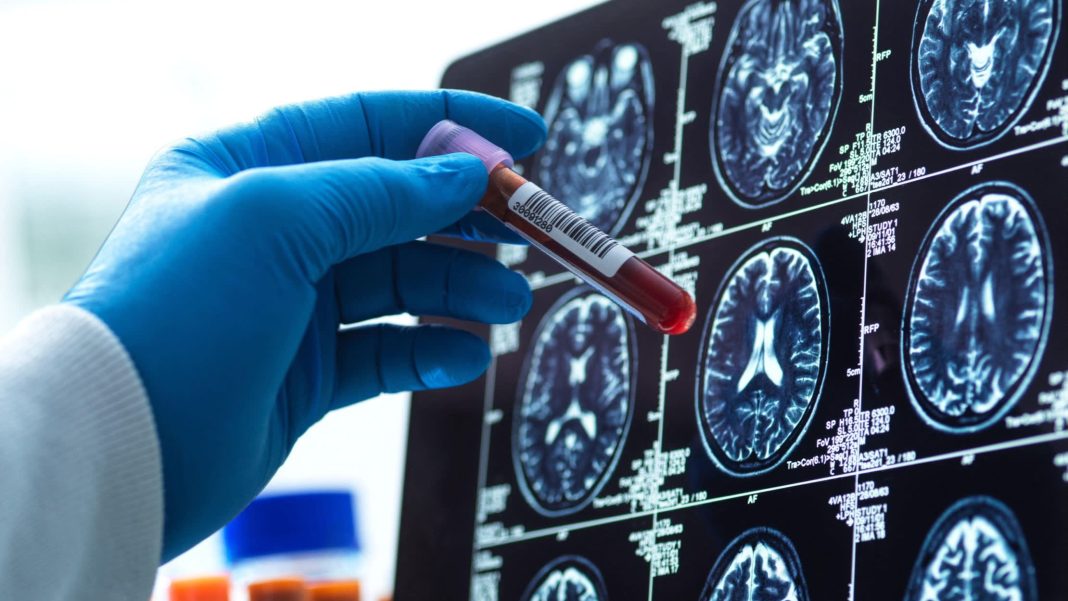
Alzheimer’s disease casts a long shadow, affecting millions worldwide and presenting profound challenges for individuals and their families. For decades, diagnosis often occurred once symptoms were already advanced. However, a significant shift is underway in the scientific community, as researchers are now gaining a far clearer and more detailed understanding of the earliest biological changes associated with the disease, even before memory loss or cognitive decline become apparent.
This evolving perspective marks a crucial turning point, moving from managing symptoms to potentially identifying and addressing the disease much earlier in its progression. The implications for future diagnostics and therapeutic interventions are substantial, offering a renewed sense of hope in the ongoing fight against this complex condition.
Unraveling the Earliest Clues
The traditional view of Alzheimer’s often focused on the presence of amyloid plaques and tau tangles—abnormal protein deposits found in the brains of affected individuals. While these remain central to our understanding, recent research has expanded this picture considerably. Scientists are now identifying a cascade of subtle changes that begin years, sometimes even decades, before the onset of clinical symptoms like forgetfulness or confusion.
These early indicators extend beyond just amyloid and tau. Researchers are observing alterations in inflammation markers, metabolic processes, and the brain’s waste clearance systems. Sophisticated imaging techniques and advanced laboratory analyses are allowing them to detect these minute shifts. For instance, new insights are emerging from studies tracking specific proteins in cerebrospinal fluid and even blood, which can serve as
As Dr. Lena Hanson, a cognitive neurologist, recently observed, “Identifying these subtle shifts years before symptoms appear is a game-changer. It opens a critical window for intervention that we’ve never truly had before.” This emphasis on the preclinical stage is reshaping how we think about the disease, highlighting that Alzheimer’s is not just a disease of old age, but a process that begins much earlier in life.
The Promise of Proactive Understanding
So, why is this clearer picture of early signs so important? The primary reason lies in the potential for earlier intervention. Currently, many treatments aim to manage symptoms, but if the disease can be detected before significant neuronal damage occurs, the possibility of therapies that could slow or even halt its progression becomes much more realistic.
Early detection would also be invaluable for clinical trials. By identifying individuals in the preclinical stage, researchers can test new drugs and interventions on people who have not yet experienced irreversible brain damage. This could significantly improve the chances of finding effective treatments that modify the disease course rather than just alleviate its effects. Furthermore, a proactive understanding allows individuals and their families to plan for the future, make informed lifestyle choices, and participate in personalized care strategies.
Looking Ahead: Diagnostics and Beyond
The scientific community is now intensely focused on translating these research insights into practical diagnostic tools. The goal is to develop accessible, non-invasive methods, such as simple blood tests, that can accurately identify individuals at high risk for developing Alzheimer’s long before symptoms manifest. While such tests are not yet widely available for routine clinical use, significant progress is being made.
This clearer understanding of early Alzheimer’s signs is not just about identifying the disease; it’s about fundamentally changing the narrative. It moves us closer to a future where Alzheimer’s could be managed more like other chronic conditions, with early diagnosis and preventative or disease-modifying treatments. The path forward involves continued research, robust clinical trials, and the eventual development of a new generation of diagnostics and therapies, all built upon this newfound clarity into the disease’s nascent stages.
The journey is ongoing, but the recent advancements offer compelling evidence that science is indeed getting a clearer picture, bringing genuine hope for a future where Alzheimer’s is no longer an insurmountable challenge, but a manageable condition.

