


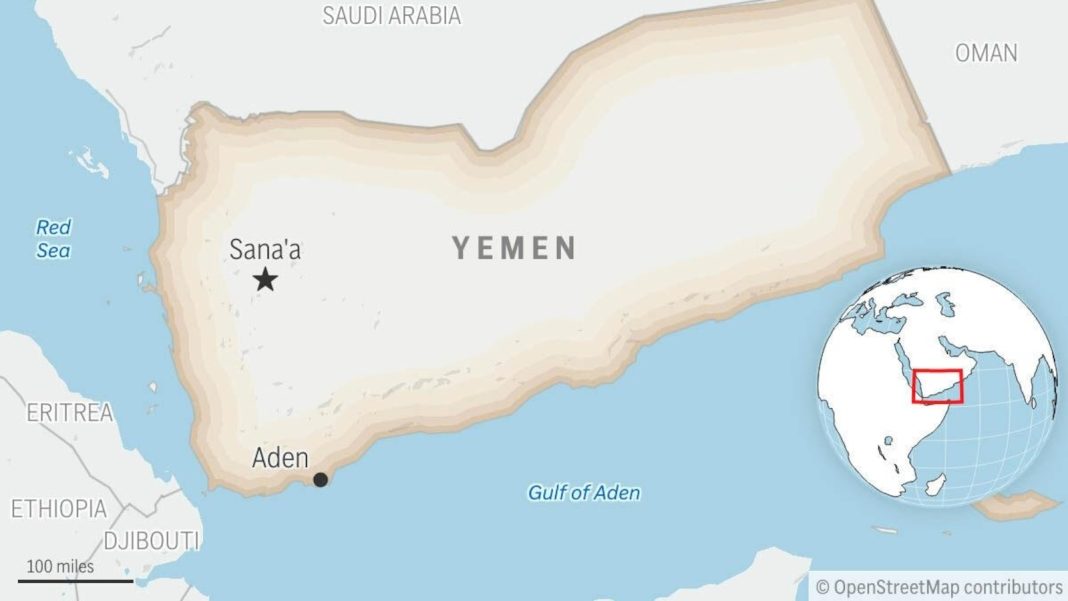
The protracted conflict in Yemen, already a tapestry of complex allegiances and shifting battlefronts, has taken yet another bewildering turn. Recently, the Saudi-led coalition, a principal player in the ongoing struggle, delivered a stark ultimatum to UAE-backed separatists in the south. This development isn’t just a ripple; it’s a significant wave that highlights the deep fissures within the very alliance supposedly united against a common foe, throwing the future of the region into even greater uncertainty.
A Coalition Under Strain: Divergent Agendas
On the surface, the Saudi-led coalition entered Yemen with the stated aim of restoring the internationally recognized government and countering the influence of the Houthis. However, the reality on the ground has always been far more nuanced. The UAE, a key coalition member, has cultivated its own strategic interests in Yemen’s southern regions, particularly through its support for the Southern Transitional Council (STC) – a powerful group advocating for the secession of South Yemen.
This fundamental divergence has been an open secret, but the ultimatum brings it into sharp focus. The Saudi-backed forces primarily support the Yemeni government, which views the separatists’ actions as a direct challenge to its authority and national unity. The ultimatum essentially demands that the UAE-backed southern forces relinquish control of key strategic locations and adhere to previous agreements aimed at de-escalation. It’s a bold move that underscores the Saudi desire to maintain a semblance of unified command and territorial integrity for their allied government, even if it means confronting elements backed by a nominal partner.
The Southern Question: Separatism and Strategic Stakes
The south of Yemen is not merely a geographic entity; it’s a region steeped in history, distinct identities, and immense strategic value. The port city of Aden, for instance, holds significant global trade importance. The STC’s push for independence isn’t a new phenomenon; South Yemen was an independent state until 1990. Their aspirations are fueled by local grievances, a desire for self-determination, and a perception of marginalization by the northern-dominated central government.
The UAE’s backing of these separatist ambitions is rooted in its own strategic calculations. By supporting the STC, the UAE gains influence over vital maritime routes, establishes a footprint in counter-terrorism efforts, and potentially secures a bulwark against regional rivals. This patronage has empowered the southern forces, allowing them to gain considerable control over swathes of the south, often at the expense of the very government the Saudi-led coalition is purportedly supporting. “It’s a tragic paradox,” as one veteran observer noted, “those ostensibly fighting the same enemy are now turning on each other, deepening the despair for millions already suffering.”
Implications for Yemen’s Fractured Future
The ultimatum presents a critical juncture. Should the UAE-backed separatists comply, it could offer a pathway, however rocky, towards re-establishing a degree of cohesion among the anti-Houthi forces and potentially re-energizing peace efforts. However, defiance could lead to further direct clashes between coalition partners’ proxies, plunging the south into another layer of conflict. Such a scenario would undoubtedly weaken the broader anti-Houthi front, creating opportunities for the Houthis to consolidate their gains and further entrench the conflict.
For the long-suffering Yemeni population, this internal strife means continued uncertainty, humanitarian catastrophe, and an ever-receding hope for lasting peace. The international community watches with bated breath, as the complex web of alliances, rivalries, and conflicting ambitions within the coalition itself threatens to unravel the delicate fabric of an already broken nation. This latest development is a stark reminder that in Yemen, truly unified action remains an elusive dream.

